
What Pittsburgh Homeowners Should Do if They Smell Rotten Eggs Near the Furnace
Smelling rotten eggs near your furnace is not normal and could indicate a dangerous natural gas leak. In Pittsburgh homes, this distinctive odor comes from mercaptan, a chemical added to natural gas so you can detect leaks before they become deadly. If you notice this smell, your first priority is safety. Leave the house immediately with all occupants and pets, and call Peoples Natural Gas emergency line at 1-800-400-4271 from outside. Do not flip any switches, use your phone inside, or try to locate the source yourself. Once you are safe, call Apex HVAC at (412) 387-0477 for professional inspection and repair. Peoples Natural Gas safety information.
Why Does My Furnace Smell Like Rotten Eggs? (The Role of Mercaptan)
The rotten egg smell is mercaptan, an odorant added to natural gas by utility companies. Natural gas is naturally odorless, so mercaptan gives it that distinctive sulfur smell that alerts you to potential leaks. In Pittsburgh’s older neighborhoods like Shadyside and Squirrel Hill, aging gas lines and furnace components can develop small cracks over time. The mercaptan smell may be stronger near the furnace because that is where gas enters your home’s heating system. This is different from the dusty or musty smell you might notice when first turning on heat in fall, which is just accumulated dust burning off. A persistent rotten egg odor means gas is escaping somewhere in the system. Emergency Furnace Services for Families Living in Baldwin and Whitehall.
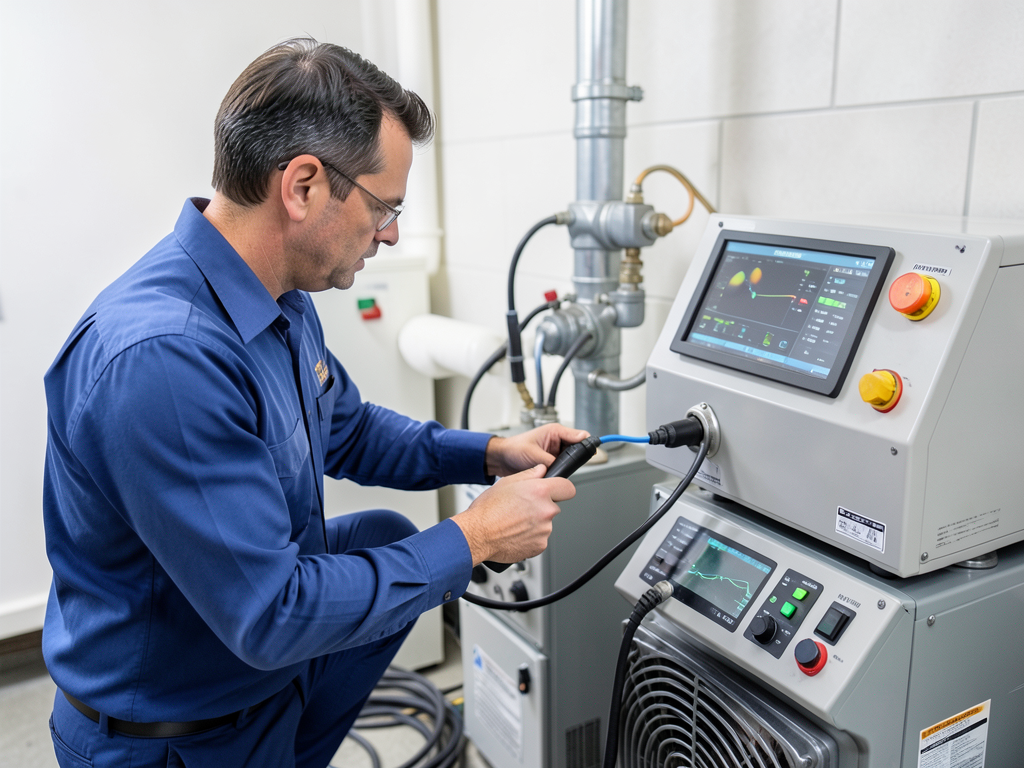
A technician using a gas leak detector near a furnace showing the mercaptan odorant detection process
Immediate Safety Checklist: 5 Steps to Take Right Now
- Evacuate Immediately
Get everyone out of the house right away. Do not waste time gathering belongings or trying to find the leak source. Mercaptan is added so you can smell even small amounts of gas, but high concentrations can cause dizziness, nausea, or unconsciousness.
- Leave Doors Open
As you exit, leave all doors open to help ventilate the home. This can help disperse gas and reduce the risk of explosion. Do not close any windows or doors behind you.
- Call Emergency Services
From outside your home, call Peoples Natural Gas at 1-800-400-4271 or 911 if you feel the situation is immediately dangerous. Do not use any phones inside the house as even a small spark could ignite gas.
- Shut Off Main Gas Valve
If you know where your main gas shut-off valve is located and can reach it safely from outside, turn it off. This valve is typically near your gas meter. Turn the valve a quarter turn so it is perpendicular to the pipe.
- Wait for Professional Clearance
Do not re-enter your home until emergency responders or a qualified technician has declared it safe. Gas can accumulate in pockets and may not be immediately apparent.
Common Causes of Gas Smells Near the Furnace
Several issues can cause a gas smell near your furnace. The most serious is a cracked heat exchanger, which allows combustion gases to leak into your home’s air supply. This is particularly common in Pittsburgh’s older homes where furnaces may be 15-20 years old. A malfunctioning pilot light or electronic ignition system can also cause gas to build up if it fails to light properly. Loose or corroded gas line connections, especially in homes with galvanized steel pipes common in Pittsburgh’s mid-century construction, can create small leaks. Sometimes the smell comes from the gas valve itself if the internal diaphragm is failing. In rare cases, a rodent chewing through a gas line can cause a sudden leak. Winterizing Your HVAC System.
Is it a Gas Leak or Something Else? (Dust, Oil, or Electrical smells)
Not every unusual smell near your furnace means a gas leak. When you first turn on your furnace for the season, you might notice a dusty or burning smell as accumulated dust burns off the heat exchanger and ductwork. This should dissipate within a few hours. An oil smell could indicate an oil furnace leak or a spill during a recent delivery, common in older Pittsburgh neighborhoods where oil heat was standard. An electrical burning smell might mean an overheating blower motor or failing capacitor. However, any rotten egg smell is mercaptan and indicates natural gas. Carbon monoxide, which can leak from a cracked heat exchanger, is odorless, so you need working CO detectors on every level of your home. If you are unsure, always err on the side of caution and treat it as a potential gas leak.
A side-by-side comparison showing dust burn smell vs. mercaptan gas leak symptoms
How Pittsburgh’s Cold Snap Affects Your Gas Lines
Pittsburgh’s harsh winters create unique challenges for gas systems. When temperatures drop below freezing, as they often do in January and February, the ground can shift slightly due to freeze-thaw cycles. This movement puts stress on buried gas lines, especially in areas with clay-heavy soil common throughout Allegheny County. The temperature differential between cold outdoor pipes and warm indoor gas can also cause condensation and corrosion at connection points. During extreme cold snaps, gas appliances work harder and longer, increasing the chance of component failure. Homes in Pittsburgh’s hilltop neighborhoods like Mount Washington may experience more stress on gas lines due to the additional pressure changes from elevation. Regular maintenance before winter can identify potential weak points before they become dangerous leaks.
Professional Leak Detection vs. DIY: When to Call an HVAC Expert
While you should never attempt to repair a gas leak yourself, understanding what professionals do can help you make informed decisions. Professional HVAC technicians use electronic gas detectors that can find leaks as small as 1 part per million. They perform pressure tests on gas lines to identify even tiny drops that indicate leaks. Technicians inspect heat exchangers using borescopes to look for cracks invisible to the naked eye. They check gas valve operation, burner assembly condition, and venting systems. In Pittsburgh, NATE-certified technicians follow EPA Section 608 guidelines for refrigerant handling and Pennsylvania Uniform Construction Code requirements for gas line installations. DIY methods like using soapy water to check connections are not reliable for finding small leaks that could still be dangerous. If you smell gas, the cost of professional inspection is minimal compared to the risk of explosion or carbon monoxide poisoning. EPA Carbon Monoxide Safety Guidelines.
Frequently Asked Questions
How much does it cost to fix a gas leak near a furnace?
The cost varies widely depending on the source. A loose connection might cost $150-300 to repair, while replacing a cracked heat exchanger can cost $1,000-2,500. Emergency service calls typically have additional fees. Apex HVAC provides upfront pricing after diagnosis.
Can a carbon monoxide detector detect a gas leak?
No. Carbon monoxide detectors only alert you to CO gas, which is different from natural gas. You need separate natural gas detectors for mercaptan leaks. However, both can result from furnace problems, so having both types of detectors is recommended.
How long does it take to fix a gas leak?
Simple repairs might take 1-2 hours. Complex issues like heat exchanger replacement could take 4-8 hours. Emergency response times in Pittsburgh typically range from 30 minutes to 2 hours depending on your location and time of day.
Should I turn off my furnace if I smell gas?
Yes, if you can reach the furnace safely. Turn the thermostat down, then turn off the furnace power switch. If the smell is strong, evacuate immediately instead of trying to reach the furnace.
What are the symptoms of natural gas exposure?
Symptoms include headache, dizziness, nausea, eye and throat irritation, fatigue, and breathing problems. In severe cases, you might experience pale skin, blisters if skin touches compressed or frozen gas, and loss of consciousness. These symptoms require immediate medical attention.
A technician performing a gas line pressure test showing the diagnostic equipment used
Call Apex HVAC for Professional Gas Leak Inspection
Gas leaks are not something to ignore or postpone. If you smell rotten eggs near your furnace, your family’s safety depends on quick, professional action. Apex HVAC serves Pittsburgh and surrounding communities with 24/7 emergency service. Our NATE-certified technicians use advanced leak detection equipment to find and fix problems quickly and safely. We understand Pittsburgh’s unique housing stock, from historic homes in Squirrel Hill to mid-century construction in the North Hills. Don’t wait until a small leak becomes a major emergency. Call (412) 387-0477 today to schedule your inspection or request immediate emergency service. Your family’s safety is worth the call.
Remember: If you smell gas, leave immediately, call Peoples Natural Gas at 1-800-400-4271, then call Apex HVAC at (412) 387-0477 for professional repair and peace of mind.
You may also find this helpful. Getting Your Oakland Rental Property Ready for a City of Pittsburgh HVAC Inspection.
{
“@context”: “https://schema.org”,
“@type”: “BlogPosting”,
“headline”: “What Pittsburgh Homeowners Should Do if They Smell Rotten Eggs Near the Furnace”,
“description”: “If you smell rotten eggs near your furnace in Pittsburgh, you may have a dangerous gas leak. Learn the immediate safety steps, causes, and when to call Apex HVAC.”,
“wordCount”: 1453,
“datePublished”: “2026-04-13T11:47:00.000Z”,
“dateModified”: “2026-04-13T11:47:00.000Z”,
“inLanguage”: “en-US”,
“mainEntityOfPage”: {
“@type”: “WebPage”,
“@id”: “https://apexhvacpittsburgh.com”
},
“publisher”: {
“@type”: “LocalBusiness”,
“name”: “Apex HVAC Pittsburgh”,
“url”: “https://apexhvacpittsburgh.com”
},
“author”: {
“@type”: “Organization”,
“name”: “Apex HVAC Pittsburgh”,
“url”: “https://apexhvacpittsburgh.com”
},
“image”: {
“@type”: “ImageObject”,
“url”: “https://apexhvacpittsburgh.com/wp-content/uploads/2026/03/what-pittsburgh-homeowners-should-do-if-they-smell-1.png”
}
}
{
“@context”: “https://schema.org”,
“@type”: “HVACBusiness”,
“name”: “Apex HVAC Pittsburgh”,
“url”: “https://apexhvacpittsburgh.com”,
“address”: {
“@type”: “PostalAddress”,
“addressLocality”: “Pittsburgh”
},
“areaServed”: {
“@type”: “City”,
“name”: “Pittsburgh”
}
}
{
“@context”: “https://schema.org”,
“@type”: “FAQPage”,
“mainEntity”: [
{
“@type”: “Question”,
“name”: “How much does it cost to fix a gas leak near a furnace?”,
“acceptedAnswer”: {
“@type”: “Answer”,
“text”: “The cost varies widely depending on the source. A loose connection might cost $150-300 to repair, while replacing a cracked heat exchanger can cost $1,000-2,500. Emergency service calls typically have additional fees. Apex HVAC provides upfront pricing after diagnosis.”
}
},
{
“@type”: “Question”,
“name”: “Can a carbon monoxide detector detect a gas leak?”,
“acceptedAnswer”: {
“@type”: “Answer”,
“text”: “No. Carbon monoxide detectors only alert you to CO gas, which is different from natural gas. You need separate natural gas detectors for mercaptan leaks. However, both can result from furnace problems, so having both types of detectors is recommended.”
}
},
{
“@type”: “Question”,
“name”: “How long does it take to fix a gas leak?”,
“acceptedAnswer”: {
“@type”: “Answer”,
“text”: “Simple repairs might take 1-2 hours. Complex issues like heat exchanger replacement could take 4-8 hours. Emergency response times in Pittsburgh typically range from 30 minutes to 2 hours depending on your location and time of day.”
}
},
{
“@type”: “Question”,
“name”: “Should I turn off my furnace if I smell gas?”,
“acceptedAnswer”: {
“@type”: “Answer”,
“text”: “Yes, if you can reach the furnace safely. Turn the thermostat down, then turn off the furnace power switch. If the smell is strong, evacuate immediately instead of trying to reach the furnace.”
}
},
{
“@type”: “Question”,
“name”: “What are the symptoms of natural gas exposure?”,
“acceptedAnswer”: {
“@type”: “Answer”,
“text”: “Symptoms include headache, dizziness, nausea, eye and throat irritation, fatigue, and breathing problems. In severe cases, you might experience pale skin, blisters if skin touches compressed or frozen gas, and loss of consciousness. These symptoms require immediate medical attention.”
}
}
]
}
{
“@context”: “https://schema.org”,
“@type”: “HowTo”,
“name”: “Immediate Safety Steps for Gas Leaks”,
“step”: [
{
“@type”: “HowToStep”,
“position”: 1,
“name”: “Evacuate Immediately”,
“text”: “Get everyone out of the house right away. Do not waste time gathering belongings or trying to find the leak source. Mercaptan is added so you can smell even small amounts of gas, but high concentrations can cause dizziness, nausea, or unconsciousness.”
},
{
“@type”: “HowToStep”,
“position”: 2,
“name”: “Leave Doors Open”,
“text”: “As you exit, leave all doors open to help ventilate the home. This can help disperse gas and reduce the risk of explosion. Do not close any windows or doors behind you.”
},
{
“@type”: “HowToStep”,
“position”: 3,
“name”: “Call Emergency Services”,
“text”: “From outside your home, call Peoples Natural Gas at 1-800-400-4271 or 911 if you feel the situation is immediately dangerous. Do not use any phones inside the house as even a small spark could ignite gas.”
},
{
“@type”: “HowToStep”,
“position”: 4,
“name”: “Shut Off Main Gas Valve”,
“text”: “If you know where your main gas shut-off valve is located and can reach it safely from outside, turn it off. This valve is typically near your gas meter. Turn the valve a quarter turn so it is perpendicular to the pipe.”
},
{
“@type”: “HowToStep”,
“position”: 5,
“name”: “Wait for Professional Clearance”,
“text”: “Do not re-enter your home until emergency responders or a qualified technician has declared it safe. Gas can accumulate in pockets and may not be immediately apparent.”
}
],
“image”: “https://apexhvacpittsburgh.com/wp-content/uploads/2026/03/what-pittsburgh-homeowners-should-do-if-they-smell-1.png”
}
{
“@context”: “https://schema.org”,
“@type”: “BreadcrumbList”,
“itemListElement”: [
{
“@type”: “ListItem”,
“position”: 1,
“name”: “Home”,
“item”: “https://apexhvacpittsburgh.com”
},
{
“@type”: “ListItem”,
“position”: 2,
“name”: “Blog”,
“item”: “https://apexhvacpittsburgh.com/blog”
},
{
“@type”: “ListItem”,
“position”: 3,
“name”: “What Pittsburgh Homeowners Should Do if They Smell Rotten Eggs Near the Furnace”
}
]
}
{
“@context”: “https://schema.org”,
“@type”: “Service”,
“serviceType”: “HVAC”,
“provider”: {
“@type”: “LocalBusiness”,
“name”: “Apex HVAC Pittsburgh”,
“url”: “https://apexhvacpittsburgh.com”
},
“areaServed”: {
“@type”: “City”,
“name”: “Pittsburgh”
},
“description”: “If you smell rotten eggs near your furnace in Pittsburgh, you may have a dangerous gas leak. Learn the immediate safety steps, causes, and when to call Apex HVAC.”
}