
Why an Attic Fan is Not a Substitute for a Good AC Unit in the West End
West End homeowners often ask if installing an attic fan will solve their cooling problems. The short answer is no. Attic fans and air conditioning systems serve completely different purposes. While attic fans can help reduce heat buildup in your attic space, they cannot provide the consistent cooling and dehumidification that a properly sized air conditioning unit delivers. The Homeowners Guide to Replacing an Aging Boiler in Bloomfield.
Pittsburgh’s humid continental climate creates unique cooling challenges. During July and August, our area experiences high humidity levels that make homes feel warmer than the actual temperature. An attic fan simply moves hot air around without addressing the core issue of removing heat and moisture from your living spaces.
Understanding the fundamental differences between these systems will help you make the right choice for your West End home. The investment in proper air conditioning pays off through improved comfort, better indoor air quality, and actually lower energy bills when installed correctly. Winterizing Your HVAC System.
The Core Difference: Cooling the Air vs. Removing the Heat
Air conditioning systems work as closed-loop refrigerant systems. They remove heat from inside your home and release it outside through a chemical process. The refrigerant absorbs heat from indoor air, changes from liquid to gas, and then releases that heat outdoors before returning to liquid form to repeat the cycle.. Read more about How to Add Air Conditioning to a Braddock Row House Without Damaging Original Brick.
Attic fans operate as ventilation systems. They pull hot air out of your attic space and draw cooler air in through soffit vents. While this can reduce attic temperatures by 20-30 degrees, it does nothing to cool the air inside your actual living areas.
The key distinction is that AC units condition the air you breathe. They filter out dust, pollen, and other particles while controlling both temperature and humidity. Attic fans only affect the attic space, which is typically separated from your living area by insulation and drywall. EPA information on refrigerant environmental impact.
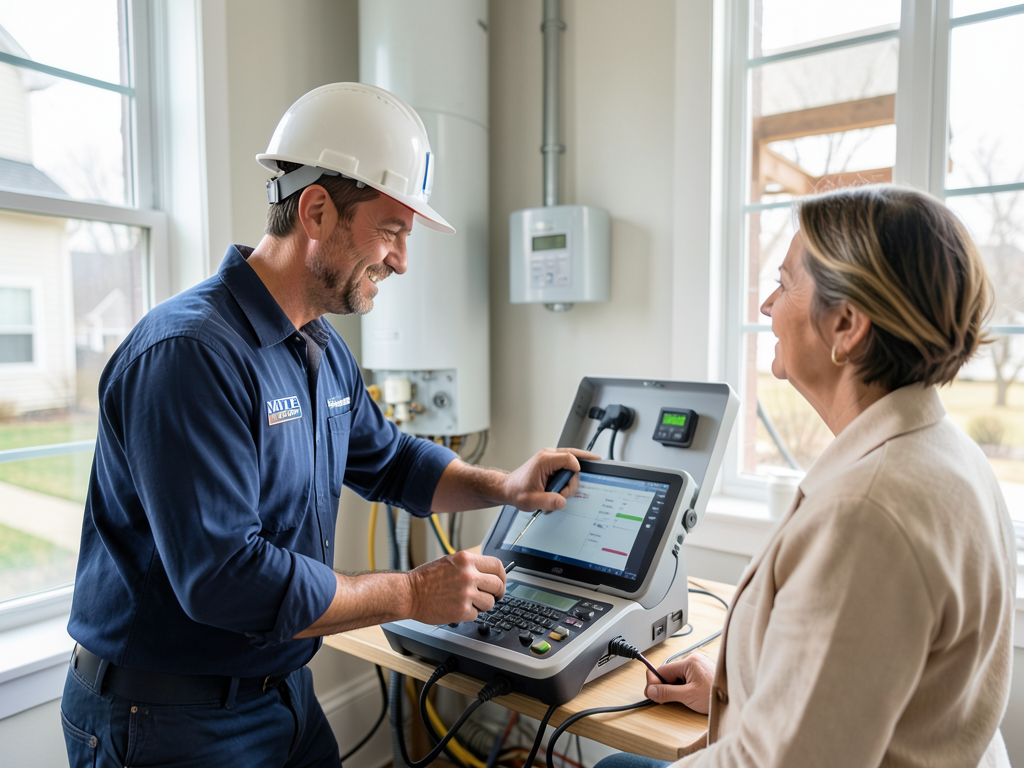
Diagram showing the closed-loop refrigerant cycle of an air conditioning system versus the open ventilation of an attic fan system.
Pittsburgh Summer Performance: Humidity Matters
Western Pennsylvania’s summer humidity creates a significant challenge for attic fans. When outdoor humidity reaches 80-90 percent during July heat waves, simply moving air around does not make your home feel cooler. In fact, it can make things worse by circulating moist air throughout your living spaces.
Air conditioning systems excel at dehumidification. As warm, humid air passes over the cold evaporator coils, moisture condenses and drains away. This process can remove 5-10 gallons of water from your home’s air daily during peak summer months.
The effectiveness difference becomes clear when comparing comfort levels. A home cooled to 75 degrees with proper AC feels comfortable even on 90-degree days. The same temperature achieved with just ventilation and fans feels stuffy and uncomfortable due to the high moisture content in the air.
Pittsburgh’s specific climate data shows why this matters. Our area averages 13 days per year above 90 degrees, with July typically seeing 4-5 of those extreme heat days. During these periods, the combination of heat and humidity creates dangerous conditions that only proper air conditioning can effectively manage.
Cost Comparison: Installation and Operation
Initial installation costs vary significantly between the two options. A quality whole-house attic fan system costs $1,500 to $3,000 installed. This includes the fan unit, controls, and any necessary electrical work. However, this only addresses attic ventilation.
A properly sized central air conditioning system for a typical West End home costs $4,500 to $8,000 installed. This includes the outdoor condenser unit, indoor evaporator coil, refrigerant lines, and necessary electrical upgrades. The higher cost reflects the complexity and effectiveness of the system.
Operating costs tell a different story. Attic fans use minimal electricity, typically costing $5 to $15 per month during summer. However, they provide limited benefit during the most uncomfortable weather conditions.
Central AC systems use more electricity but provide actual cooling. A typical 3-ton system costs $75 to $150 per month to operate during peak summer months. The key is that you get what you pay for – actual temperature reduction and humidity control.
| System Type | Initial Cost | Monthly Operating Cost | Primary Benefit |
|---|---|---|---|
| Attic Fan Only | $1,500 – $3,000 | $5 – $15 | Attic temperature reduction |
| Central AC | $4,500 – $8,000 | Whole-house cooling and dehumidification |
The ‘Better Together’ Strategy
The most effective approach combines both systems strategically. An attic fan can actually reduce your air conditioning costs by removing superheated air from your attic space. This prevents heat from radiating down into your living areas through the ceiling.
When used together, the attic fan runs during cooler evening hours to flush out accumulated heat. Then the air conditioning system takes over during the hottest parts of the day. This combination can reduce AC runtime by 15-20 percent, extending equipment life and lowering energy bills.
Professional installation becomes critical for this strategy to work. The attic fan must be properly sized for your attic volume – typically requiring 1,000 CFM (Cubic Feet per Minute) of airflow per 1,000 square feet of attic space. Too small and it won’t be effective. Too large and it can create negative pressure issues.
The air conditioning system must also be properly sized for your home. Oversized units short-cycle, failing to dehumidify properly. Undersized units run constantly without achieving desired temperatures. A professional load calculation considers your home’s insulation, windows, orientation, and local climate factors.
Is Your Attic Actually the Problem?
Before investing in any cooling solution, proper diagnosis matters. Many West End homes suffer from inadequate attic insulation rather than cooling system problems. Pittsburgh building codes require R-38 insulation in attics, but many older homes have much less.
Common signs of attic-related cooling issues include: rooms that are hot even when AC runs constantly, ice formation on air conditioning lines, and dramatically different temperatures between upstairs and downstairs. These symptoms often point to attic heat gain rather than AC system failure.
Professional energy audits can identify these issues. Technicians use thermal imaging cameras to detect heat transfer through ceilings and walls. They also measure actual attic temperatures, which can exceed 150 degrees on sunny summer days in poorly ventilated spaces.
Air sealing represents another critical factor. Gaps around light fixtures, plumbing penetrations, and attic access points allow conditioned air to escape into the attic. This forces your AC system to work harder while allowing hot attic air to infiltrate your living spaces.
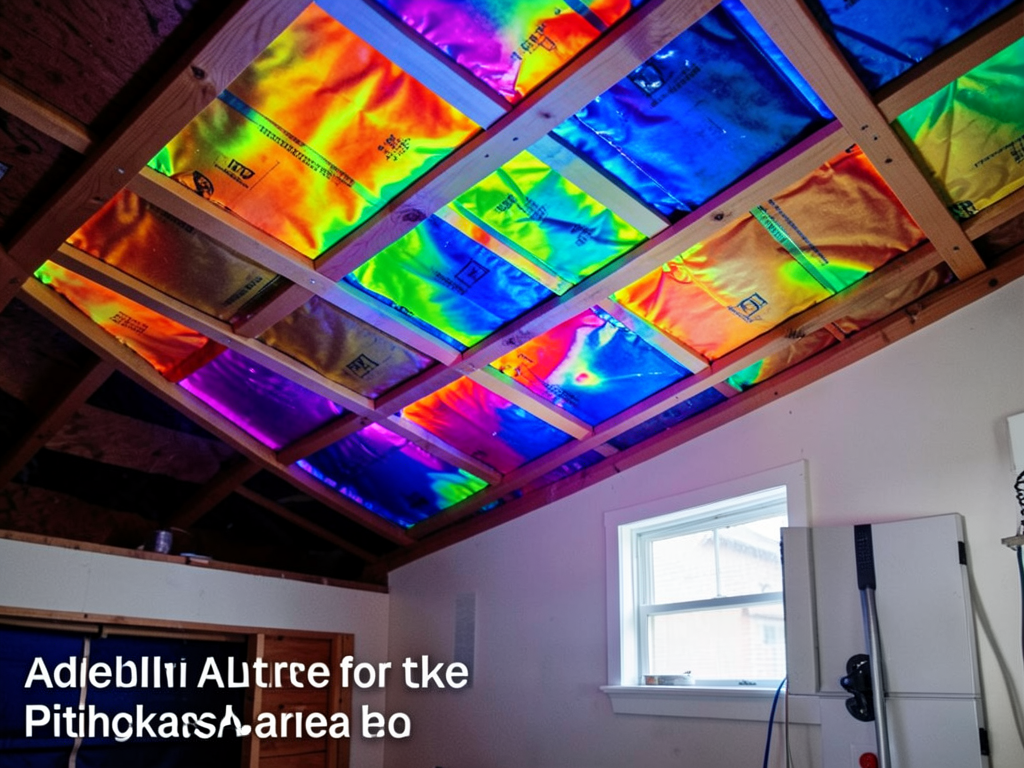
Photo showing thermal imaging of heat transfer through an inadequately insulated attic ceiling in a Pittsburgh-area home.
Energy Efficiency and Environmental Impact
Modern air conditioning systems offer significant efficiency improvements over older units. Energy Star certified systems use 20-30 percent less electricity than standard models while providing better cooling performance. This translates to lower utility bills and reduced environmental impact.
Duquesne Light Company and other local utilities offer rebates for high-efficiency AC installations. These programs can offset 10-15 percent of installation costs while encouraging homeowners to choose more efficient equipment.
The environmental equation extends beyond just electricity use. Older AC systems often use R-22 refrigerant, which depletes the ozone layer. Current systems use R-410A or newer refrigerants that have minimal environmental impact while providing better cooling efficiency.. Read more about Why Your Newer Harrison City Home Has Uneven Temperatures Between Floors.
Smart thermostats add another layer of efficiency. These devices learn your schedule and preferences, automatically adjusting temperatures to save energy when you’re away or sleeping. Many homeowners save 10-15 percent on cooling costs through proper thermostat programming.
Maintenance Requirements and Longevity
Air conditioning systems require annual professional maintenance to operate efficiently. This includes cleaning coils, checking refrigerant levels, testing electrical components, and ensuring proper airflow. Well-maintained systems last 15-20 years, while neglected units may fail after 8-10 years.
Attic fans require minimal maintenance – typically just annual cleaning of the louvers and occasional bearing lubrication. However, they have shorter lifespans of 8-12 years due to constant exposure to attic heat and dust.
The maintenance difference reflects the complexity gap. AC systems have compressors, motors, controls, and refrigerant circuits that all require periodic attention. Attic fans are simpler but less capable of handling extreme conditions.
Professional maintenance also includes safety checks. AC systems involve high voltage electricity and pressurized refrigerant. Improper maintenance can lead to electrical fires, refrigerant leaks, or carbon monoxide issues with integrated furnace components. Emergency Furnace Services for Families Living in Baldwin and Whitehall.
Making the Right Choice for Your West End Home
Several factors determine whether you need AC, an attic fan, or both. Home age matters significantly – pre-1950 homes often lack proper attic ventilation and insulation. These homes benefit most from comprehensive cooling solutions rather than simple ventilation upgrades.
Your specific comfort needs also influence the decision. Families with young children, elderly residents, or health conditions often require consistent cooling that only air conditioning provides. Attic fans cannot guarantee the temperature and humidity control these situations demand.
Budget constraints affect the timeline but shouldn’t dictate the final solution. While attic fans cost less initially, they may not solve your comfort problems. This leads to additional expenses as you eventually install proper air conditioning anyway.
Local building codes in Pittsburgh require permits for both attic fan and AC installations. Professional contractors handle permitting and ensure installations meet all safety requirements. DIY installations often violate codes and can create dangerous conditions.
Photo of a professional HVAC technician performing a cooling system load calculation for a West End Pittsburgh home.
Frequently Asked Questions
Will an attic fan cool my upstairs bedrooms?
No. Attic fans only affect the attic space. They cannot cool or dehumidify your living areas. For upstairs bedrooms to feel comfortable, you need either central air conditioning or properly sized ductless mini-split systems. Understanding Ductless Systems.
How much can I save by using an attic fan with my AC?
When used properly together, this combination can reduce AC runtime by 15-20 percent. This translates to approximately $10-25 per month in energy savings during peak cooling season, though savings vary based on your specific home and usage patterns.
Are solar attic fans worth the extra cost?
Solar attic fans eliminate operating costs but cost $500-1,000 more than standard electric models. They work best in sunny locations and may not run during cloudy weather when cooling is most needed. The energy savings rarely offset the higher initial cost.
What size air conditioner do I need for a typical West End home?
Most West End homes require 2-3 tons of cooling capacity (24,000-36,000 BTU). However, proper sizing requires a professional load calculation considering insulation, windows, home orientation, and local climate factors. Guessing often leads to inefficient operation.
Can I install an attic fan myself?
DIY attic fan installation violates electrical codes and can create dangerous conditions. Improper installation can cause backdrafting of combustion appliances, electrical fires, or inadequate ventilation. Professional installation ensures safety and code compliance.
How long does it take to install central air conditioning?
Most residential AC installations take 1-2 days. This includes removing old equipment if needed, installing new components, running refrigerant lines, and testing the complete system. Complex installations in older homes may require additional time.
Call (412) 387-0477 today to schedule your inspection. Our NATE-certified technicians will evaluate your home’s specific cooling needs and recommend the most effective solution for your West End property. Don’t wait until the next heat wave – proper cooling makes your home safer and more comfortable year-round.
Pick up the phone and call (412) 387-0477 before the next storm hits. We provide emergency service throughout the Pittsburgh area, including Ross Township, Monroeville, and all surrounding communities. Your comfort is our priority. For more information, visit U.S. Department of Energy air conditioning guide.
{
“@context”: “https://schema.org”,
“@type”: “BlogPosting”,
“headline”: “Why an Attic Fan is Not a Substitute for a Good AC Unit in the West End”,
“description”: “Attic fans can’t match AC cooling in Pittsburgh’s humid summers. Learn why proper air conditioning is essential for West End homes and how to stay comfortable.”,
“wordCount”: 1950,
“datePublished”: “2026-05-31T08:53:00.000Z”,
“dateModified”: “2026-05-31T08:53:00.000Z”,
“inLanguage”: “en-US”,
“mainEntityOfPage”: {
“@type”: “WebPage”,
“@id”: “https://apexhvacpittsburgh.com”
},
“publisher”: {
“@type”: “LocalBusiness”,
“name”: “Apex HVAC Pittsburgh”,
“url”: “https://apexhvacpittsburgh.com”
},
“author”: {
“@type”: “Organization”,
“name”: “Apex HVAC Pittsburgh”,
“url”: “https://apexhvacpittsburgh.com”
},
“image”: {
“@type”: “ImageObject”,
“url”: “https://apexhvacpittsburgh.com/wp-content/uploads/2026/03/why-an-attic-fan-is-not-a-substitute-for-a-good-ac-1.png”
}
}
{
“@context”: “https://schema.org”,
“@type”: “HVACBusiness”,
“name”: “Apex HVAC Pittsburgh”,
“url”: “https://apexhvacpittsburgh.com”,
“address”: {
“@type”: “PostalAddress”,
“addressLocality”: “Pittsburgh”
},
“areaServed”: {
“@type”: “City”,
“name”: “Pittsburgh”
}
}
{
“@context”: “https://schema.org”,
“@type”: “FAQPage”,
“mainEntity”: [
{
“@type”: “Question”,
“name”: “Is Your Attic Actually the Problem?”,
“acceptedAnswer”: {
“@type”: “Answer”,
“text”: “Before investing in any cooling solution, proper diagnosis matters. Many West End homes suffer from inadequate attic insulation rather than cooling system problems. Pittsburgh building codes require R-38 insulation in attics, but many older homes have much less.”
}
},
{
“@type”: “Question”,
“name”: “Will an attic fan cool my upstairs bedrooms?”,
“acceptedAnswer”: {
“@type”: “Answer”,
“text”: “No. Attic fans only affect the attic space. They cannot cool or dehumidify your living areas. For upstairs bedrooms to feel comfortable, you need either central air conditioning or properly sized ductless mini-split systems. Understanding Ductless Systems.”
}
},
{
“@type”: “Question”,
“name”: “How much can I save by using an attic fan with my AC?”,
“acceptedAnswer”: {
“@type”: “Answer”,
“text”: “When used properly together, this combination can reduce AC runtime by 15-20 percent. This translates to approximately $10-25 per month in energy savings during peak cooling season, though savings vary based on your specific home and usage patterns.”
}
},
{
“@type”: “Question”,
“name”: “Are solar attic fans worth the extra cost?”,
“acceptedAnswer”: {
“@type”: “Answer”,
“text”: “Solar attic fans eliminate operating costs but cost $500-1,000 more than standard electric models. They work best in sunny locations and may not run during cloudy weather when cooling is most needed. The energy savings rarely offset the higher initial cost.”
}
},
{
“@type”: “Question”,
“name”: “What size air conditioner do I need for a typical West End home?”,
“acceptedAnswer”: {
“@type”: “Answer”,
“text”: “Most West End homes require 2-3 tons of cooling capacity (24,000-36,000 BTU). However, proper sizing requires a professional load calculation considering insulation, windows, home orientation, and local climate factors. Guessing often leads to inefficient operation.”
}
},
{
“@type”: “Question”,
“name”: “Can I install an attic fan myself?”,
“acceptedAnswer”: {
“@type”: “Answer”,
“text”: “DIY attic fan installation violates electrical codes and can create dangerous conditions. Improper installation can cause backdrafting of combustion appliances, electrical fires, or inadequate ventilation. Professional installation ensures safety and code compliance.”
}
},
{
“@type”: “Question”,
“name”: “How long does it take to install central air conditioning?”,
“acceptedAnswer”: {
“@type”: “Answer”,
“text”: “Most residential AC installations take 1-2 days. This includes removing old equipment if needed, installing new components, running refrigerant lines, and testing the complete system. Complex installations in older homes may require additional time.”
}
}
]
}
{
“@context”: “https://schema.org”,
“@type”: “BreadcrumbList”,
“itemListElement”: [
{
“@type”: “ListItem”,
“position”: 1,
“name”: “Home”,
“item”: “https://apexhvacpittsburgh.com”
},
{
“@type”: “ListItem”,
“position”: 2,
“name”: “Blog”,
“item”: “https://apexhvacpittsburgh.com/blog”
},
{
“@type”: “ListItem”,
“position”: 3,
“name”: “Why an Attic Fan is Not a Substitute for a Good AC Unit in the West End”
}
]
}
{
“@context”: “https://schema.org”,
“@type”: “Service”,
“serviceType”: “HVAC”,
“provider”: {
“@type”: “LocalBusiness”,
“name”: “Apex HVAC Pittsburgh”,
“url”: “https://apexhvacpittsburgh.com”
},
“areaServed”: {
“@type”: “City”,
“name”: “Pittsburgh”
},
“description”: “Attic fans can’t match AC cooling in Pittsburgh’s humid summers. Learn why proper air conditioning is essential for West End homes and how to stay comfortable.”
}