
Pittsburgh’s humid continental climate creates perfect conditions for mold growth inside air conditioning vents, especially during the sweltering summer months when humidity levels regularly exceed 80% in neighborhoods like Spring Hill. When warm, moisture-laden air meets the cold surfaces inside your AC system, condensation forms—creating an ideal breeding ground for mold spores that can spread throughout your home. Winterizing Your HVAC System.
The problem intensifies in Spring Hill’s older homes, many of which were built before modern building codes addressed humidity control. These structures often have aging ductwork, poor insulation, and inadequate vapor barriers that allow moisture to accumulate where you can’t see it. Once mold establishes itself inside your vents, it releases spores and mycotoxins into the air you breathe every day.
Understanding why this happens is the first step to protecting your family’s health and your home’s air quality. Let’s examine the specific conditions in Spring Hill that make mold growth in AC vents such a persistent problem and what you can do about it. Protecting Your McCandless Home from Seasonal Allergies with Better Air Filtration.
How to Identify Mold in Your HVAC Vents
Recognizing mold in your air vents requires more than just a quick visual inspection. Mold often grows in hidden areas where condensation collects, making it difficult to spot until the problem becomes severe.
Visual cues include black, green, or brown spotting around vent registers and along the interior surfaces of ductwork. However, dust and dirt can look similar, so don’t assume discoloration automatically means mold. The EPA recommends the “tape test”—placing clear tape over suspicious spots and having them analyzed by a certified laboratory if you’re unsure. EPA mold information.
The most reliable indicator is often your nose. Mold produces a distinctive musty, earthy odor that becomes more noticeable when your AC first turns on. This smell results from microbial volatile organic compounds (MVOCs) released as mold consumes organic materials inside your ductwork.
Health symptoms provide another clue. If family members experience increased coughing, sneezing, itchy eyes, or allergy-like symptoms primarily when the air conditioning runs, mold in your vents could be the culprit. These symptoms occur because mold spores circulate through your home’s air supply, triggering respiratory responses in sensitive individuals.
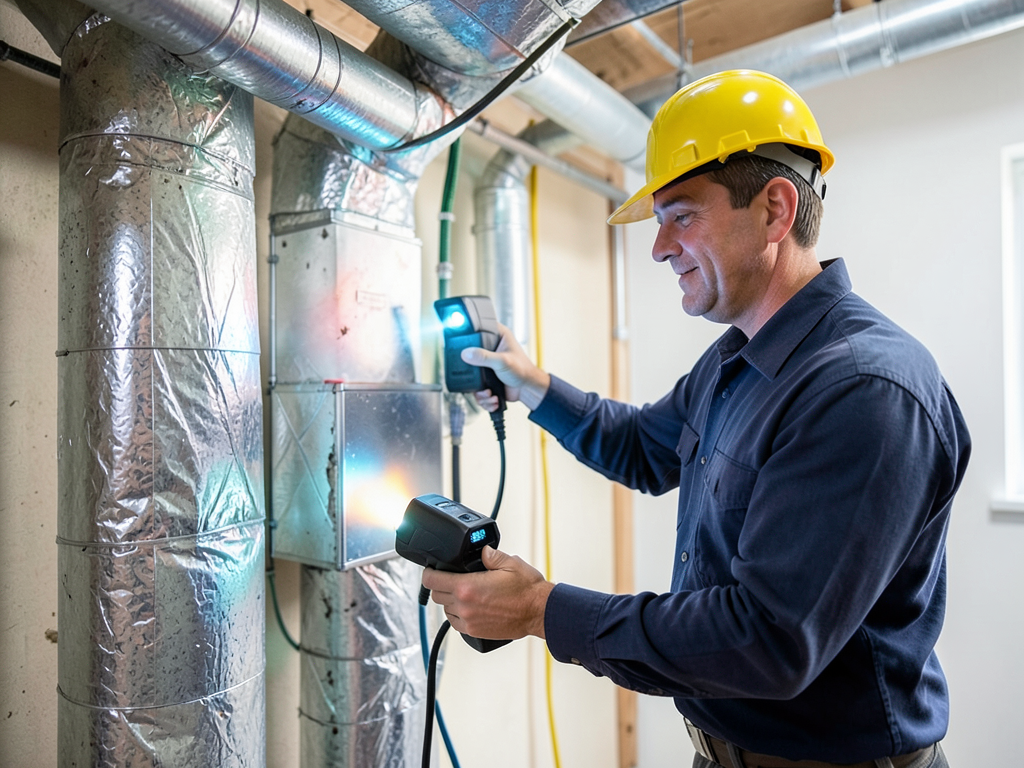
Diagram showing common mold growth locations inside residential HVAC systems, including evaporator coils, condensate pans, and supply ductwork.
Common Causes of HVAC Mold in Pittsburgh Homes
Western Pennsylvania’s climate creates unique challenges for HVAC systems. The combination of high summer humidity, significant temperature swings, and aging housing stock in neighborhoods like Spring Hill sets the stage for mold problems.
High summer humidity is the primary culprit. Pittsburgh experiences average relative humidity levels of 72-85% during July and August, according to the National Weather Service. When this moist air enters your AC system, it encounters cold evaporator coils that are typically 40-45°F. The temperature differential causes water vapor to condense on these surfaces, creating standing water that mold needs to thrive. National Weather Service climate data.
Clogged condensate drain lines represent another major cause. Your AC system produces significant condensation that should drain away through dedicated lines. When these lines become blocked with algae, debris, or mineral buildup, water backs up into the drain pan. This standing water, combined with the dark, warm environment inside your air handler, creates perfect mold-growing conditions.. Read more about How to Handle HVAC Drainage if You Use a Septic System in Rural Oakdale.
Oversized AC units contribute to the problem through short-cycling. When your air conditioner is too large for your home’s cooling load, it cools the space quickly but shuts off before adequately removing humidity. This leaves your home feeling clammy and provides the moisture mold needs to grow inside your ductwork.
Older homes in Spring Hill often have additional vulnerabilities. Many were built before current building codes required proper vapor barriers or adequate attic ventilation. These construction deficiencies allow warm, moist air to infiltrate your attic and ductwork, where it condenses on cold surfaces during AC operation.
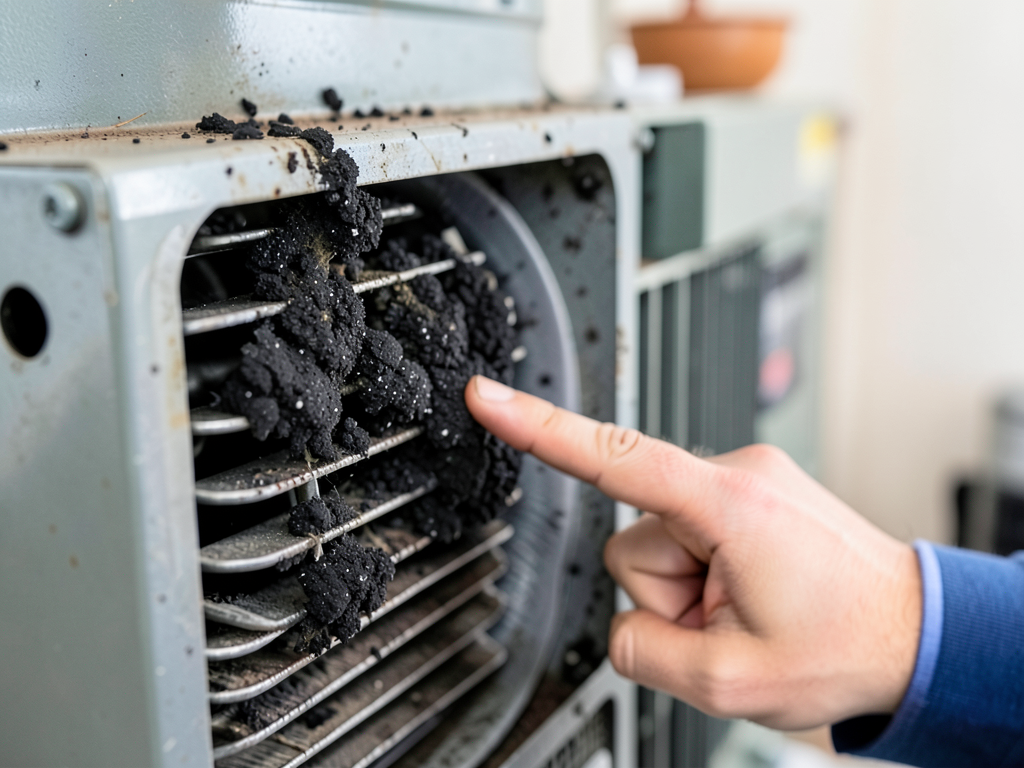
Photo showing mold growth on an evaporator coil in a Pittsburgh-area home, with close-up detail of the black spotting pattern typical of HVAC mold.
DIY vs. Professional Remediation
Determining whether you can handle mold removal yourself or need professional help depends on several factors, including the extent of growth and your system’s accessibility.
Surface mold on vent registers is generally safe to clean yourself. Remove the registers, wash them in hot water with detergent, and allow them to dry completely before reinstalling. For stubborn spots, a solution of one cup bleach to one gallon of water can be effective, though never use bleach on porous surfaces like ductwork.
However, mold inside the plenum or deep within ductwork requires professional remediation. The EPA recommends professional cleaning when mold covers more than 10 square feet or when it’s located in hard-to-reach areas. Professional remediation involves specialized equipment like HEPA vacuums, negative air machines, and antimicrobial treatments that homeowners cannot safely use. The Homeowners Guide to Replacing an Aging Boiler in Bloomfield.
Attempting to clean extensive mold growth yourself poses several risks. First, disturbing mold colonies releases thousands of spores into your home’s air, potentially worsening the problem. Second, without proper containment and filtration, you may spread contamination to other areas. Third, DIY cleaning often fails to address the underlying moisture problem that caused the mold in the first place.
Professional remediation follows NADCA (National Air Duct Cleaners Association) standards, which require source removal rather than just surface treatment. This process includes cleaning all accessible components, applying EPA-registered antimicrobials, and addressing the moisture source to prevent recurrence.
Prevention Strategies for Pittsburgh Homeowners
Preventing mold growth in your AC vents requires a comprehensive approach that addresses both your HVAC system and your home’s overall moisture management.
Whole-home dehumidifiers offer the most effective prevention strategy. These systems work alongside your AC to maintain relative humidity between 30-50%, the range where mold cannot thrive. Unlike portable dehumidifiers, whole-home units integrate with your existing ductwork and automatically adjust based on indoor humidity levels.
UV germicidal lights installed near your evaporator coil provide continuous protection by killing mold spores and bacteria before they can colonize. These lights use ultraviolet-C radiation to disrupt the DNA of microorganisms, preventing them from reproducing. When properly installed, UV lights can reduce mold growth by up to 99% in treated areas.
HEPA filtration upgrades capture mold spores before they circulate through your home. Standard AC filters typically have MERV ratings of 6-8, which capture only larger particles. HEPA filters with MERV ratings of 13-16 can trap particles as small as 0.3 microns, including most mold spores. However, these high-efficiency filters require compatible HVAC systems to maintain proper airflow.
Regular maintenance prevents many mold problems before they start. Annual professional tune-ups should include cleaning the evaporator coil, checking condensate drain lines for clogs, and inspecting ductwork for moisture intrusion. During these visits, technicians can identify early warning signs of mold growth and address them before they become major problems.
Improving your home’s overall moisture control also helps. Ensure bathroom exhaust fans vent directly outside rather than into the attic. Check that your clothes dryer vents properly. Consider adding vapor barriers in crawl spaces and improving attic ventilation to reduce overall humidity levels in your home.
Comparison chart showing MERV ratings versus particle capture efficiency, with specific data on mold spore capture rates for different filter types.
Health Implications of Mold in AC Vents
The health risks associated with mold in your air conditioning system extend beyond simple allergies and can affect even healthy individuals over time.
Common symptoms include respiratory irritation, coughing, wheezing, and nasal congestion. These occur because mold spores act as irritants when inhaled, triggering inflammatory responses in the respiratory tract. For people with asthma or other respiratory conditions, exposure can trigger severe attacks or exacerbate existing symptoms.
More concerning are the potential effects of mycotoxins, toxic compounds produced by certain mold species. While research is ongoing, some studies suggest that prolonged exposure to high levels of mycotoxins may contribute to neurological symptoms, fatigue, and immune system suppression.
Children, elderly individuals, and those with compromised immune systems face the highest risk from mold exposure. Their bodies may have reduced ability to fight off the inflammatory responses triggered by mold spores, leading to more severe or prolonged symptoms.
The EPA’s guidelines emphasize that any visible mold growth should be addressed promptly, regardless of species. While not all molds produce mycotoxins, all can cause health problems in sensitive individuals, and the presence of visible mold indicates conditions suitable for more harmful species to grow.
Local Building Codes and Mold Prevention
Pennsylvania’s Uniform Construction Code includes specific requirements for HVAC installation and ventilation that indirectly help prevent mold growth. Section 403 of the code addresses mechanical ventilation requirements, ensuring adequate air exchange to prevent moisture buildup.
Local municipalities in Allegheny County often have additional requirements. For example, Pittsburgh’s building code mandates specific insulation R-values and vapor barrier installations in new construction. These requirements help maintain consistent temperatures within building cavities, reducing the condensation that leads to mold growth.
The International Mechanical Code, which Pennsylvania has adopted with amendments, requires proper condensate drainage and trap installation. These requirements ensure that water produced by your AC system drains properly rather than accumulating where mold can grow.
Understanding these code requirements helps homeowners identify whether their systems were installed to current standards. Homes built before these codes were enacted may lack important moisture control features that modern construction includes. Understanding Ductless Systems.
Frequently Asked Questions
How can I tell if the black stuff on my vents is actually mold?
The “tape test” is the most reliable DIY method. Place clear tape over the suspicious area, fold it onto itself, and send it to a laboratory for analysis. While black discoloration often indicates mold, it can also be dust, soot, or other debris. Professional testing costs $50-100 but provides definitive answers.
Can mold in my AC vents make me sick?
Yes. Mold spores and mycotoxins released into your home’s air supply can cause respiratory irritation, allergic reactions, and other health problems. Symptoms typically worsen when the AC runs, as this circulates spores throughout your home. People with asthma, allergies, or compromised immune systems face the highest risk.
How often should I have my ductwork inspected for mold?
The EPA recommends professional inspection every 3-5 years for homes without visible mold problems. However, if you notice musty odors, see visible growth, or experience unexplained respiratory symptoms, schedule an inspection immediately. Homes in humid climates like Pittsburgh may benefit from more frequent checks.
Will cleaning my vents solve a mold problem?
Cleaning alone addresses only the symptom, not the cause. Mold returns if you don’t fix the underlying moisture problem. Professional remediation includes both cleaning and moisture source identification. This might involve repairing leaks, improving drainage, upgrading insulation, or installing dehumidification systems.. Read more about Why You Might Need a High Performance Air Purifier if You Live Near Neville Island.
What’s the difference between mold and mildew in AC systems?
Both are fungi, but mildew typically appears as white or gray powdery growth and stays on surfaces. Mold often appears darker (green, black, or brown) and can penetrate deeper into materials. Both require moisture to grow, and both can cause health problems. The remediation approach is similar for both.
Take Action Against Mold in Your Spring Hill Home
Don’t wait until mold problems become severe enough to cause health issues or require expensive remediation. If you’ve noticed musty odors when your AC runs, seen discoloration around vent registers, or experienced unexplained respiratory symptoms, your home may already have a mold problem.
Professional inspection can identify whether you have active mold growth and determine its extent. Our certified technicians use moisture meters, thermal imaging, and air quality testing to locate hidden mold colonies that visual inspection might miss.
Prevention is always more cost-effective than remediation. Simple steps like upgrading your air filter, installing UV lights, or adding whole-home dehumidification can prevent mold problems before they start. These improvements not only protect your family’s health but also extend your HVAC system’s lifespan and improve its efficiency.
Call (412) 387-0477 today to schedule your comprehensive HVAC inspection. Our team understands Pittsburgh’s unique climate challenges and can recommend solutions tailored to your Spring Hill home’s specific needs. Don’t let another humid summer create the perfect conditions for mold to take hold in your air vents.
Pick up the phone and call (412) 387-0477 before the next storm hits. High humidity creates ideal mold-growing conditions within 24-48 hours, and early intervention can save you thousands in remediation costs while protecting your family’s health.
{
“@context”: “https://schema.org”,
“@type”: “BlogPosting”,
“headline”: “Why High Summer Humidity Causes Mold to Grow Inside Spring Hill AC Vents”,
“description”: “Pittsburgh’s humid summers create perfect conditions for mold in Spring Hill AC vents. Learn the causes, health risks, and proven solutions from local HVAC experts.”,
“wordCount”: 2070,
“datePublished”: “2026-06-03T09:56:00.000Z”,
“dateModified”: “2026-06-03T09:56:00.000Z”,
“inLanguage”: “en-US”,
“mainEntityOfPage”: {
“@type”: “WebPage”,
“@id”: “https://apexhvacpittsburgh.com”
},
“publisher”: {
“@type”: “LocalBusiness”,
“name”: “Apex HVAC Pittsburgh”,
“url”: “https://apexhvacpittsburgh.com”
},
“author”: {
“@type”: “Organization”,
“name”: “Apex HVAC Pittsburgh”,
“url”: “https://apexhvacpittsburgh.com”
},
“image”: {
“@type”: “ImageObject”,
“url”: “https://apexhvacpittsburgh.com/wp-content/uploads/2026/03/why-high-summer-humidity-causes-mold-to-grow-insid-1.png”
}
}
{
“@context”: “https://schema.org”,
“@type”: “HVACBusiness”,
“name”: “Apex HVAC Pittsburgh”,
“url”: “https://apexhvacpittsburgh.com”,
“address”: {
“@type”: “PostalAddress”,
“addressLocality”: “Pittsburgh”
},
“areaServed”: {
“@type”: “City”,
“name”: “Pittsburgh”
}
}
{
“@context”: “https://schema.org”,
“@type”: “FAQPage”,
“mainEntity”: [
{
“@type”: “Question”,
“name”: “How can I tell if the black stuff on my vents is actually mold?”,
“acceptedAnswer”: {
“@type”: “Answer”,
“text”: “The \”tape test\” is the most reliable DIY method. Place clear tape over the suspicious area, fold it onto itself, and send it to a laboratory for analysis. While black discoloration often indicates mold, it can also be dust, soot, or other debris. Professional testing costs $50-100 but provides definitive answers.”
}
},
{
“@type”: “Question”,
“name”: “Can mold in my AC vents make me sick?”,
“acceptedAnswer”: {
“@type”: “Answer”,
“text”: “Yes. Mold spores and mycotoxins released into your home’s air supply can cause respiratory irritation, allergic reactions, and other health problems. Symptoms typically worsen when the AC runs, as this circulates spores throughout your home. People with asthma, allergies, or compromised immune systems face the highest risk.”
}
},
{
“@type”: “Question”,
“name”: “How often should I have my ductwork inspected for mold?”,
“acceptedAnswer”: {
“@type”: “Answer”,
“text”: “The EPA recommends professional inspection every 3-5 years for homes without visible mold problems. However, if you notice musty odors, see visible growth, or experience unexplained respiratory symptoms, schedule an inspection immediately. Homes in humid climates like Pittsburgh may benefit from more frequent checks.”
}
},
{
“@type”: “Question”,
“name”: “Will cleaning my vents solve a mold problem?”,
“acceptedAnswer”: {
“@type”: “Answer”,
“text”: “Cleaning alone addresses only the symptom, not the cause. Mold returns if you don’t fix the underlying moisture problem. Professional remediation includes both cleaning and moisture source identification. This might involve repairing leaks, improving drainage, upgrading insulation, or installing dehumidification systems.”
}
},
{
“@type”: “Question”,
“name”: “What’s the difference between mold and mildew in AC systems?”,
“acceptedAnswer”: {
“@type”: “Answer”,
“text”: “Both are fungi, but mildew typically appears as white or gray powdery growth and stays on surfaces. Mold often appears darker (green, black, or brown) and can penetrate deeper into materials. Both require moisture to grow, and both can cause health problems. The remediation approach is similar for both.”
}
}
]
}
{
“@context”: “https://schema.org”,
“@type”: “BreadcrumbList”,
“itemListElement”: [
{
“@type”: “ListItem”,
“position”: 1,
“name”: “Home”,
“item”: “https://apexhvacpittsburgh.com”
},
{
“@type”: “ListItem”,
“position”: 2,
“name”: “Blog”,
“item”: “https://apexhvacpittsburgh.com/blog”
},
{
“@type”: “ListItem”,
“position”: 3,
“name”: “Why High Summer Humidity Causes Mold to Grow Inside Spring Hill AC Vents”
}
]
}
{
“@context”: “https://schema.org”,
“@type”: “Service”,
“serviceType”: “HVAC”,
“provider”: {
“@type”: “LocalBusiness”,
“name”: “Apex HVAC Pittsburgh”,
“url”: “https://apexhvacpittsburgh.com”
},
“areaServed”: {
“@type”: “City”,
“name”: “Pittsburgh”
},
“description”: “Pittsburgh’s humid summers create perfect conditions for mold in Spring Hill AC vents. Learn the causes, health risks, and proven solutions from local HVAC experts.”
}