
Why Radiant Floor Heating is the Ultimate Luxury for Highland Park Bathrooms
Stepping onto a warm tile floor on a freezing Pittsburgh morning feels like pure luxury. Highland Park homeowners are discovering that radiant floor heating transforms ordinary bathrooms into spa-like retreats while solving Pittsburgh’s notorious cold-weather comfort challenges. This isn’t just about luxury—it’s about creating a bathroom that performs flawlessly through Western Pennsylvania’s harsh winters. The Homeowners Guide to Replacing an Aging Boiler in Bloomfield.
Radiant floor heating works by warming surfaces from beneath rather than blowing hot air around the room. The result is consistent, even heat that eliminates cold spots and reduces energy waste. For Highland Park’s historic homes with original bathrooms, this technology offers a modern upgrade without compromising architectural integrity.
The investment pays dividends beyond comfort. Radiant systems operate silently, improve indoor air quality by eliminating dust-blowing ductwork, and can reduce heating costs by 15-30% compared to forced-air systems in well-insulated spaces. Plus, they add measurable value to your home—a key consideration in Highland Park’s competitive real estate market. Winterizing Your HVAC System.
Before diving into system types and installation details, let’s address the most common concern: yes, radiant floor heating works exceptionally well in Pittsburgh’s climate. The technology was actually developed in cold regions of Europe and has been refined over decades to handle exactly the conditions we face here—freezing temperatures, high humidity, and rapid weather changes.
Types of Radiant Heating Systems We Install (Hydronic vs. Electric)
Choosing between hydronic and electric radiant heating depends on your bathroom size, usage patterns, and budget. Both systems have proven track records in Pittsburgh homes, but they serve different needs.
| System Type | Best For | Installation Cost | Operating Cost | Heat-Up Time |
|---|---|---|---|---|
| Hydronic (Water-Based) | Large bathrooms, whole-house systems | $12-20 per sq ft | $0.50-1.00 per day | 1-3 hours |
| Electric Mat Systems | Small bathrooms, retrofits | $10-15 per sq ft | $0.75-1.25 per day | 30-60 minutes |
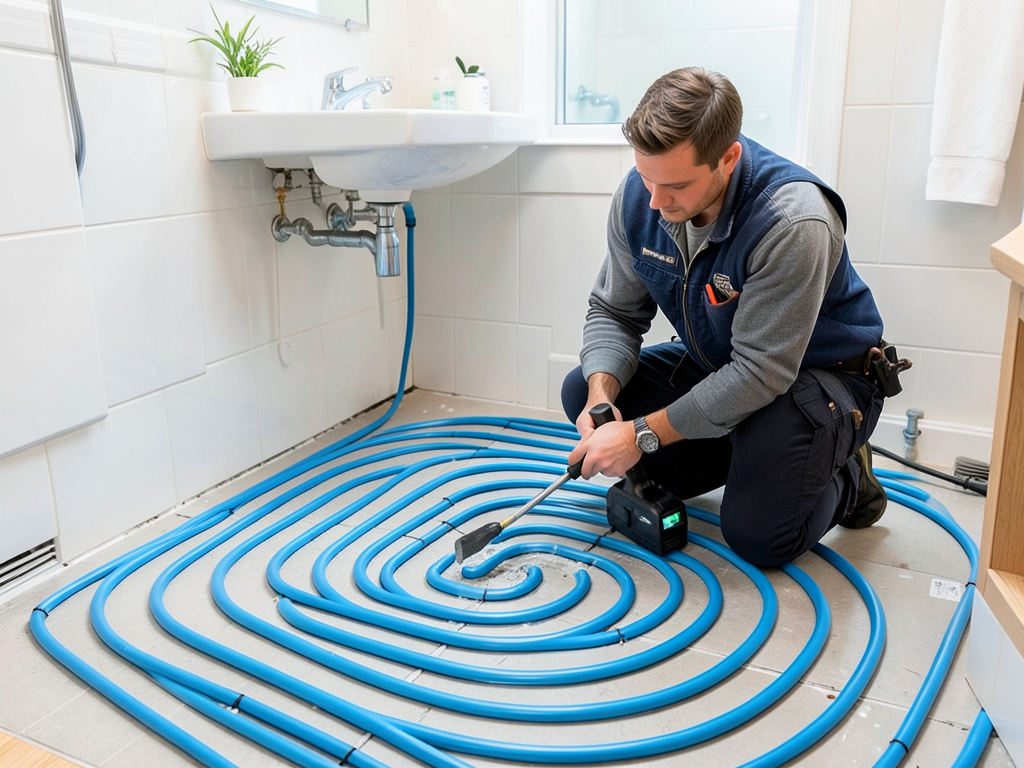
Hydronic systems circulate warm water through PEX tubing installed beneath the floor. They connect to your existing boiler or a dedicated water heater, making them ideal for Highland Park homes that already have boiler systems. The initial installation costs more, but operating costs are lower—especially important given Pittsburgh’s long heating season.
Electric systems use heating cables or mats installed directly under the flooring. They’re perfect for bathroom-only installations where you don’t want to tie into the whole-house heating system. Installation is faster and less invasive, though operating costs run higher per square foot.
For Highland Park’s historic homes, electric systems often make more sense for bathroom-only projects. They don’t require modifying existing boiler systems or running new water lines through finished walls—a significant advantage in homes with plaster walls and original woodwork.
The Installation Process: What to Expect in Your Pittsburgh Home
Radiant floor heating installation follows a methodical process that typically takes 2-4 days for a standard bathroom. Here’s what happens when you choose Apex HVAC for your Highland Park bathroom upgrade.
- Heat Loss Calculation
Our technicians perform a detailed heat loss calculation specific to your bathroom’s dimensions, ceiling height, and Pittsburgh’s climate zone. This determines the exact heating capacity needed to maintain comfortable temperatures even on the coldest January mornings.. Read more about Why a Manual J Load Calculation Matters for Your New Monroeville Home.
- Subfloor Preparation
We inspect and prepare the existing subfloor, addressing any moisture issues common in Pittsburgh’s older homes. Many Highland Park bathrooms sit above crawl spaces or unheated areas, requiring additional insulation and vapor barriers. EPA indoor air quality and heating efficiency.
- System Layout Planning
Using thermal imaging, we map out the optimal tubing or cable layout, ensuring even heat distribution while avoiding areas under vanities or toilets where heating isn’t needed.
- Installation of Heating Elements
For hydronic systems, we install PEX tubing in a serpentine pattern secured to the subfloor. Electric systems get specialized mats or loose cables. Both require careful spacing—typically 3-6 inches apart depending on heat loss calculations.
- Floor Leveling and Testing
We apply self-leveling compound over the heating elements, creating a smooth surface for your finished flooring. Before covering, we test the system electrically and hydraulically to ensure proper operation.
- Final Installation and Thermostat Setup
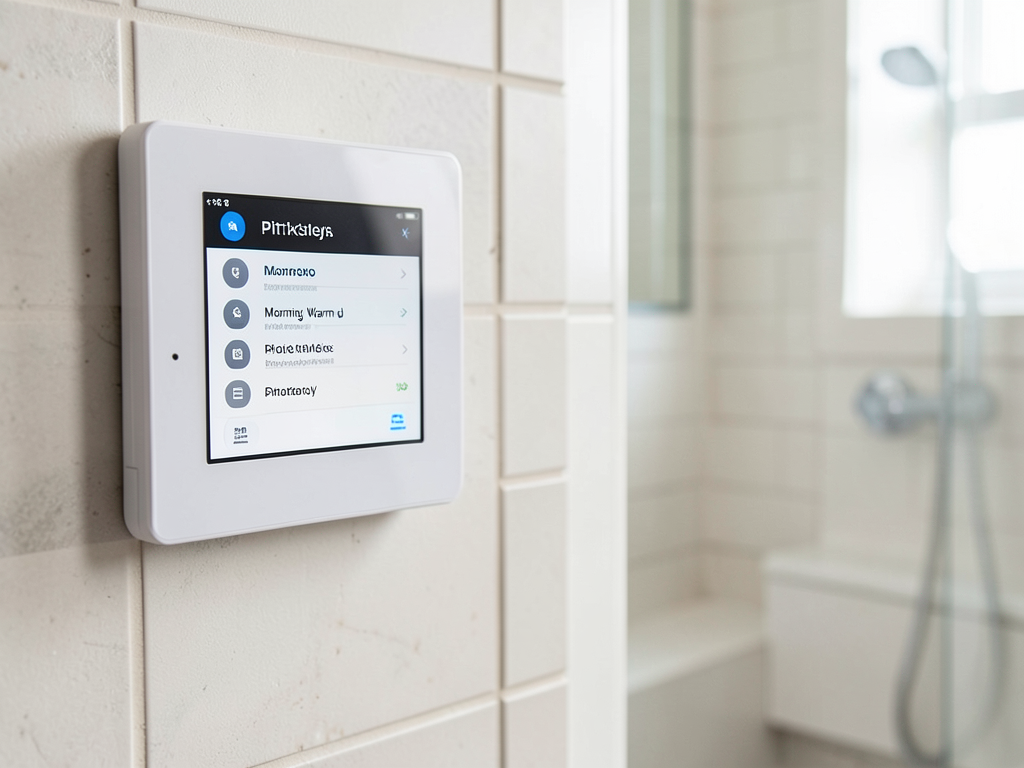
After the leveling compound cures, we install your chosen flooring and program the smart thermostat for optimal performance. Most Highland Park homeowners choose programmable controls that warm the floor before morning showers.
The key to successful radiant heating in Pittsburgh isn’t just the equipment—it’s understanding how our climate affects system performance. Our technicians calibrate systems to handle rapid temperature swings common during Pittsburgh’s winter months, when outdoor temperatures can drop 30 degrees in a single day. Understanding Ductless Systems.
We also consider the specific challenges of Highland Park’s housing stock. Many homes in the 15206 zip code area were built between 1920-1950 with original bathrooms that weren’t designed for modern heating systems. Our retrofit approach preserves these architectural details while adding contemporary comfort.
Radiant Heat Retrofitting for Historic Pittsburgh Neighborhoods
Highland Park’s charm comes from its historic character, but those beautiful old homes present unique challenges for modern upgrades. Radiant floor heating offers an elegant solution that doesn’t compromise your home’s architectural integrity.
Many Highland Park homes feature original bathrooms with ceramic tile over mortar beds—perfect substrates for radiant heating. We can often install new heating elements without removing the existing tile by using low-profile systems that add less than 1/4 inch to floor height.
For homes near Highland Park itself, we consider the area’s specific microclimate. The park’s mature trees and proximity to the Allegheny River create slightly higher humidity levels than other Pittsburgh neighborhoods. Our systems include moisture management features to prevent condensation issues common in older bathrooms.
The Pennsylvania Uniform Construction Code (UCC) requires specific permits for radiant heating installations. We handle all local permitting through Allegheny County, ensuring your installation meets current safety standards and energy efficiency requirements.
Historic preservation guidelines in Highland Park often favor minimally invasive upgrades. Radiant heating fits perfectly here—no visible equipment, no ductwork modifications, and no changes to exterior appearances. The only evidence is the luxurious warmth underfoot.
Insurance considerations matter too. Many Highland Park homes built before 1950 have unique electrical systems. Our technicians perform comprehensive electrical assessments before installation, upgrading circuits as needed to handle the additional load safely.
How Much Does Radiant Floor Heating Cost in Allegheny County?
Understanding the investment helps you make informed decisions about your bathroom upgrade. Radiant floor heating costs vary based on system type, bathroom size, and installation complexity.
Electric systems for a typical 50-80 square foot bathroom run $1,000-2,500 for materials plus $500-1,000 for professional installation. Hydronic systems cost $2,000-4,000 for materials with installation running $1,500-3,000, depending on whether you’re tying into an existing boiler.
Additional costs to consider include floor preparation ($200-500), new flooring if needed ($500-2,000), and smart thermostat installation ($150-300). For Highland Park’s older homes, budget an extra 15-20% for unexpected issues common in historic renovations.
The good news? Radiant heating can reduce your overall heating costs. By allowing you to lower your central thermostat while keeping bathrooms warm, most homeowners see energy savings of $100-300 annually. Over a 15-year system life, that’s $1,500-4,500 in utility savings. Keeping Your Moon Township Commercial Property Comfortable Year Round.
Duquesne Light and Peoples Gas occasionally offer rebates for energy-efficient heating upgrades. While radiant systems don’t always qualify directly, they often help you qualify for broader energy efficiency programs by reducing your overall heating load.
Financing options make radiant heating accessible for most budgets. Many Highland Park homeowners choose to roll the cost into a larger bathroom renovation, spreading the investment across multiple improvement categories.
Frequently Asked Questions About Radiant Heat
Will radiant floor heating raise my bathroom floor height significantly?
Modern systems add minimal height—typically 1/4 to 3/4 inch depending on the system type. We can often maintain existing door clearances and transitions to adjacent rooms.
How long does it take for the floor to warm up?
Electric systems heat in 30-60 minutes, while hydronic systems take 1-3 hours. Most homeowners program their thermostats to warm the floor before wake-up time.
Can I install radiant heating under any type of bathroom flooring?
Yes, but tile and stone conduct heat best. Engineered hardwood, luxury vinyl, and certain laminates also work well. We’ll help you choose flooring that maximizes system efficiency.
What happens if the system develops a leak or malfunction?
Electric systems have minimal failure points. Hydronic systems include isolation valves that allow us to repair specific zones without draining the entire system. Most issues are easily diagnosed with thermal imaging.
Is radiant heating safe for homes with children or elderly residents?
Absolutely. The maximum surface temperature is typically 80-85°F—warm to the touch but not hot enough to cause burns. The even heat distribution also reduces slip hazards from condensation.
Call (412) 387-0477 today to schedule your inspection. Our Highland Park specialists will assess your bathroom and provide a detailed quote with no pressure or hidden fees. Transform your cold bathroom into a warm retreat before Pittsburgh’s next cold snap hits.
Don’t wait until winter to discover how uncomfortable your bathroom really is. Radiant floor heating isn’t just a luxury upgrade—it’s an investment in your home’s comfort, efficiency, and value. Highland Park homeowners who’ve made the switch report using their bathrooms more often and enjoying their morning routines again.
Pick up the phone and call (412) 387-0477 before the next storm hits. Our team installs radiant floor heating throughout Highland Park, including the 15206 and 15208 zip codes. We understand the unique challenges of Pittsburgh’s historic homes and can recommend the perfect system for your space. For more information, visit U.S. Department of Energy radiant heating guide.
You may also find this helpful. Turning Your Bridgeville Garage into a Year Round Workspace with Mini Splits.
{
“@context”: “https://schema.org”,
“@type”: “BlogPosting”,
“headline”: “Why Radiant Floor Heating is the Ultimate Luxury for Highland Park Bathrooms”,
“description”: “Discover why radiant floor heating transforms Highland Park bathrooms into year-round luxury retreats. Learn about hydronic systems, installation costs, and Pittsburgh’s unique climate benefits.”,
“wordCount”: 1594,
“datePublished”: “2026-03-11T11:35:00.000Z”,
“dateModified”: “2026-03-11T11:35:00.000Z”,
“inLanguage”: “en-US”,
“mainEntityOfPage”: {
“@type”: “WebPage”,
“@id”: “https://apexhvacpittsburgh.com”
},
“publisher”: {
“@type”: “LocalBusiness”,
“name”: “Apex HVAC Pittsburgh”,
“url”: “https://apexhvacpittsburgh.com”
},
“author”: {
“@type”: “Organization”,
“name”: “Apex HVAC Pittsburgh”,
“url”: “https://apexhvacpittsburgh.com”
},
“image”: {
“@type”: “ImageObject”,
“url”: “https://apexhvacpittsburgh.com/wp-content/uploads/2026/03/why-radiant-floor-heating-is-the-ultimate-luxury-f-1.png”
}
}
{
“@context”: “https://schema.org”,
“@type”: “HVACBusiness”,
“name”: “Apex HVAC Pittsburgh”,
“url”: “https://apexhvacpittsburgh.com”,
“address”: {
“@type”: “PostalAddress”,
“addressLocality”: “Pittsburgh”
},
“areaServed”: {
“@type”: “City”,
“name”: “Pittsburgh”
}
}
{
“@context”: “https://schema.org”,
“@type”: “FAQPage”,
“mainEntity”: [
{
“@type”: “Question”,
“name”: “How Much Does Radiant Floor Heating Cost in Allegheny County?”,
“acceptedAnswer”: {
“@type”: “Answer”,
“text”: “Understanding the investment helps you make informed decisions about your bathroom upgrade. Radiant floor heating costs vary based on system type, bathroom size, and installation complexity.”
}
},
{
“@type”: “Question”,
“name”: “Will radiant floor heating raise my bathroom floor height significantly?”,
“acceptedAnswer”: {
“@type”: “Answer”,
“text”: “Modern systems add minimal height—typically 1/4 to 3/4 inch depending on the system type. We can often maintain existing door clearances and transitions to adjacent rooms.”
}
},
{
“@type”: “Question”,
“name”: “How long does it take for the floor to warm up?”,
“acceptedAnswer”: {
“@type”: “Answer”,
“text”: “Electric systems heat in 30-60 minutes, while hydronic systems take 1-3 hours. Most homeowners program their thermostats to warm the floor before wake-up time.”
}
},
{
“@type”: “Question”,
“name”: “Can I install radiant heating under any type of bathroom flooring?”,
“acceptedAnswer”: {
“@type”: “Answer”,
“text”: “Yes, but tile and stone conduct heat best. Engineered hardwood, luxury vinyl, and certain laminates also work well. We’ll help you choose flooring that maximizes system efficiency.”
}
},
{
“@type”: “Question”,
“name”: “What happens if the system develops a leak or malfunction?”,
“acceptedAnswer”: {
“@type”: “Answer”,
“text”: “Electric systems have minimal failure points. Hydronic systems include isolation valves that allow us to repair specific zones without draining the entire system. Most issues are easily diagnosed with thermal imaging.”
}
},
{
“@type”: “Question”,
“name”: “Is radiant heating safe for homes with children or elderly residents?”,
“acceptedAnswer”: {
“@type”: “Answer”,
“text”: “Absolutely. The maximum surface temperature is typically 80-85°F—warm to the touch but not hot enough to cause burns. The even heat distribution also reduces slip hazards from condensation.”
}
}
]
}
{
“@context”: “https://schema.org”,
“@type”: “HowTo”,
“name”: “Radiant Floor Heating Installation Process”,
“step”: [
{
“@type”: “HowToStep”,
“position”: 1,
“name”: “Heat Loss Calculation”,
“text”: “Our technicians perform a detailed heat loss calculation specific to your bathroom’s dimensions, ceiling height, and Pittsburgh’s climate zone. This determines the exact heating capacity needed to maintain comfortable temperatures even on the coldest January mornings.”
},
{
“@type”: “HowToStep”,
“position”: 2,
“name”: “Subfloor Preparation”,
“text”: “We inspect and prepare the existing subfloor, addressing any moisture issues common in Pittsburgh’s older homes. Many Highland Park bathrooms sit above crawl spaces or unheated areas, requiring additional insulation and vapor barriers. EPA indoor air quality and heating efficiency.”
},
{
“@type”: “HowToStep”,
“position”: 3,
“name”: “System Layout Planning”,
“text”: “Using thermal imaging, we map out the optimal tubing or cable layout, ensuring even heat distribution while avoiding areas under vanities or toilets where heating isn’t needed.”
},
{
“@type”: “HowToStep”,
“position”: 4,
“name”: “Installation of Heating Elements”,
“text”: “For hydronic systems, we install PEX tubing in a serpentine pattern secured to the subfloor. Electric systems get specialized mats or loose cables. Both require careful spacing—typically 3-6 inches apart depending on heat loss calculations.”
},
{
“@type”: “HowToStep”,
“position”: 5,
“name”: “Floor Leveling and Testing”,
“text”: “We apply self-leveling compound over the heating elements, creating a smooth surface for your finished flooring. Before covering, we test the system electrically and hydraulically to ensure proper operation.”
},
{
“@type”: “HowToStep”,
“position”: 6,
“name”: “Final Installation and Thermostat Setup”,
“text”: “After the leveling compound cures, we install your chosen flooring and program the smart thermostat for optimal performance. Most Highland Park homeowners choose programmable controls that warm the floor before morning showers.”
}
],
“image”: “https://apexhvacpittsburgh.com/wp-content/uploads/2026/03/why-radiant-floor-heating-is-the-ultimate-luxury-f-1.png”
}
{
“@context”: “https://schema.org”,
“@type”: “BreadcrumbList”,
“itemListElement”: [
{
“@type”: “ListItem”,
“position”: 1,
“name”: “Home”,
“item”: “https://apexhvacpittsburgh.com”
},
{
“@type”: “ListItem”,
“position”: 2,
“name”: “Blog”,
“item”: “https://apexhvacpittsburgh.com/blog”
},
{
“@type”: “ListItem”,
“position”: 3,
“name”: “Why Radiant Floor Heating is the Ultimate Luxury for Highland Park Bathrooms”
}
]
}
{
“@context”: “https://schema.org”,
“@type”: “Service”,
“serviceType”: “HVAC”,
“provider”: {
“@type”: “LocalBusiness”,
“name”: “Apex HVAC Pittsburgh”,
“url”: “https://apexhvacpittsburgh.com”
},
“areaServed”: {
“@type”: “City”,
“name”: “Pittsburgh”
},
“description”: “Discover why radiant floor heating transforms Highland Park bathrooms into year-round luxury retreats. Learn about hydronic systems, installation costs, and Pittsburgh’s unique climate benefits.”
}