
Why the Upstairs Bedrooms in Your Wilkinsburg Home Are Always Ten Degrees Hotter
Walking upstairs on a summer afternoon and feeling that blast of heat is frustrating. Your thermostat reads 74°F downstairs, but the second floor feels like a sauna. This isn’t your imagination. Wilkinsburg’s older homes have specific architectural and airflow challenges that create a predictable 10-degree temperature difference between floors.
The problem starts with physics. Hot air rises, and in homes built before modern HVAC standards, there’s nothing to stop it. Combine that with undersized ductwork, missing return air vents, and inadequate attic insulation, and you get the classic Wilkinsburg second-floor heat trap. Attic insulation R-value recommendations.
Let’s break down why this happens and what you can do about it.
Why Wilkinsburg’s Older Homes Struggle with Upstairs Cooling
Wilkinsburg’s housing stock tells a story. Most homes were built between 1900 and 1950, featuring balloon-frame construction and brick exteriors. These architectural choices create unique airflow challenges that modern HVAC systems weren’t designed to handle. Winterizing Your HVAC System.
Balloon framing means continuous wall cavities from basement to attic. Without proper fire blocking or insulation, these cavities act like chimneys, pulling warm air upward. The brick exteriors, while beautiful, absorb heat during summer days and radiate it into your living spaces well into the evening.
Many Wilkinsburg homes lack return air vents on the second floor. Your HVAC system pulls air back through the basement or first floor, creating negative pressure upstairs. This pressure imbalance forces hot attic air into your bedrooms through light fixtures, electrical outlets, and even wall cavities.
The borough’s location in the Allegheny County climate zone means high summer humidity levels. When your AC runs, it removes moisture from the air. But if the system is undersized or the ductwork has leaks, it can’t keep up with both the temperature and humidity loads on the second floor.
According to Pennsylvania Uniform Construction Code requirements, homes should maintain temperature differentials of no more than 3-5 degrees between floors. A 10-degree difference indicates your system is operating outside these efficiency standards.
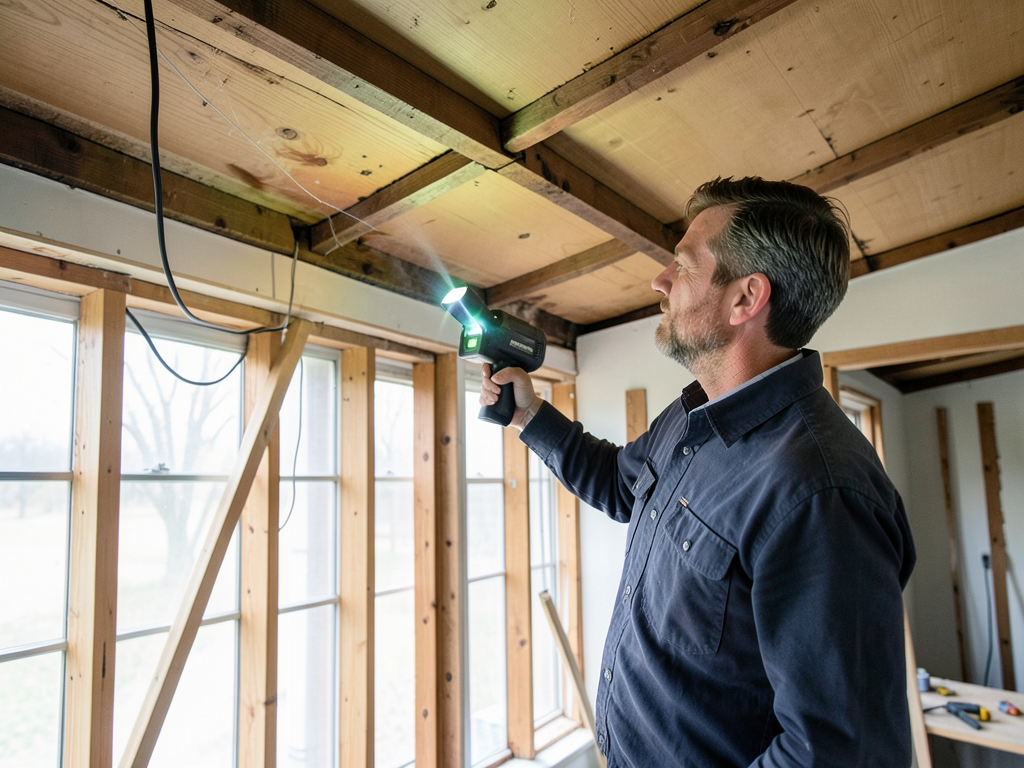
Thermal imaging scan showing heat buildup in second-floor ceiling cavities of a Wilkinsburg balloon-frame home
Top 5 Reasons Your Second Floor is 10 Degrees Hotter
Understanding the specific causes helps you target the right solutions. Here are the five most common culprits we find during Wilkinsburg home assessments. Understanding Ductless Systems.
- Thermostat Location – Most Wilkinsburg homes have the thermostat on the first floor. Since heat rises, the upstairs gets progressively warmer while the downstairs thermostat thinks everything is fine. The system shuts off before the second floor reaches a comfortable temperature.
- Undersized Ductwork – Many older homes have ductwork that was adequate when the house was built but can’t handle today’s cooling demands. The ducts are too small to deliver enough cool air to the second floor.
- Solar Gain – Second-floor bedrooms often have more windows and receive direct sunlight for longer periods. In Wilkinsburg’s summer months, unshaded windows can add 200-400 BTUs per hour of heat gain per square foot.
- Aging AC Unit – If your air conditioner is over 10 years old, it’s likely operating at 60-70% of its original efficiency. The system simply can’t keep up with the cooling load, especially on the second floor.
- Poor Attic Ventilation – Many Wilkinsburg attics have minimal ventilation. Without proper airflow, attic temperatures can reach 140°F or higher, baking the ceiling below and making your AC work overtime.
Wilkinsburg-Specific Solutions That Actually Work
Generic HVAC advice won’t solve Wilkinsburg’s unique challenges. Here are solutions that address the specific problems in our local housing stock.
Zoned HVAC Systems
Zoning divides your home into separate temperature control areas. For Wilkinsburg homes, this means creating independent zones for first and second floors. Each zone has its own thermostat and dampers that control airflow based on that area’s needs. EPA Section 608 certification requirements.
Installation involves adding motorized dampers to your existing ductwork and a zone control panel. The system automatically adjusts airflow to maintain different temperatures on each floor. This solves the thermostat location problem and can reduce energy costs by 20-30%.
Ductless Mini-Split Systems
For homes with no existing ductwork or severe airflow issues, ductless mini-splits offer a modern solution. These systems have an outdoor compressor and one or more indoor air handlers mounted on walls or ceilings.
Ductless systems are ideal for Wilkinsburg’s older homes because they eliminate ductwork issues entirely. Each air handler has its own thermostat, allowing precise temperature control in individual rooms. Installation requires only a small hole for refrigerant lines, preserving your home’s historic character.
Modern mini-splits achieve SEER ratings of 20-25, compared to 10-13 for older central AC systems. This efficiency translates to lower utility bills and better humidity control during Pittsburgh’s muggy summers.
High-Velocity HVAC Systems
High-velocity systems use small, flexible ducts that can be routed through existing wall cavities without major renovations. The ducts are only 2-3 inches in diameter, compared to traditional 6-8 inch ducts.
These systems move air at higher speeds, creating better mixing and eliminating hot spots. The small ducts can be installed in older homes with minimal wall damage, making them perfect for Wilkinsburg’s historic properties.
High-velocity systems also provide superior humidity control, removing 30% more moisture from the air than conventional systems. This is crucial for Pittsburgh’s humid climate.

Before and after comparison of second-floor temperature readings in a Wilkinsburg home after installing zoned HVAC controls
Diagnostic Testing: Finding Your Specific Problem
Before investing in solutions, you need to identify your specific issues. Here’s how we diagnose second-floor heat problems in Wilkinsburg homes.
- Temperature Differential Testing
We use digital thermometers to measure temperature differences between floors at different times of day. A 10-degree difference indicates significant system problems.
- Duct Pressure Testing
Using specialized equipment, we measure airflow and pressure in each duct run. This reveals leaks, blockages, and undersized ducts that rob your upstairs of cool air.
- Thermal Imaging Scan
Infrared cameras show heat buildup in walls, ceilings, and around windows. This identifies thermal bypasses where hot attic air is entering your living spaces.
- Blower Door Testing
This test measures your home’s overall air leakage. High leakage rates mean your AC is cooling the outdoors instead of your upstairs bedrooms.
- Manual J Load Calculation
We perform detailed calculations to determine your home’s exact cooling requirements. This reveals if your current system is properly sized for Wilkinsburg’s climate.
Cost-Effective Quick Fixes You Can Try Today
While professional solutions provide the best results, these DIY steps can improve your second-floor comfort immediately.
- Install programmable thermostats on the second floor to control temperature independently
- Add attic insulation to R-49 to R-60 levels (current PA recommendations)
- Install reflective window film on south and west-facing windows
- Seal air leaks around light fixtures, outlets, and attic access points
- Clean or replace air filters monthly during cooling season
These steps won’t solve structural issues, but they can reduce your temperature differential by 2-3 degrees while you plan permanent solutions.
Local Building Codes and Permit Requirements
Wilkinsburg falls under Allegheny County’s permitting jurisdiction for HVAC work. Here’s what you need to know before making changes.
Any new HVAC installation or major modification requires a mechanical permit from the Allegheny County Health Department. The permit ensures your system meets current efficiency standards and safety requirements.
EPA Section 608 certification is mandatory for any technician handling refrigerants. This federal requirement ensures proper handling of chemicals that could harm the ozone layer or contribute to global warming.
Pennsylvania’s Uniform Construction Code requires minimum SEER ratings of 14 for new cooling equipment. High-efficiency systems (SEER 16+) may qualify for local utility rebates through Duquesne Light’s Watt Choices program.
According to the International Energy Conservation Code (IECC), attic insulation must meet R-49 to R-60 standards for our climate zone. Many Wilkinsburg homes have only R-19 to R-30, creating significant heat transfer issues.
Energy Efficiency and Cost Savings
Fixing your second-floor heat problem isn’t just about comfort—it’s about saving money. Here’s what proper solutions can deliver.
| Solution | Initial Cost | Annual Energy Savings | Payback Period |
|---|---|---|---|
| Zoned HVAC System | $3,500 – $6,000 | $300 – $500 | 7-10 years |
| Ductless Mini-Split | $4,000 – $8,000 | $400 – $600 | 6-10 years |
| Attic Insulation Upgrade | $1,500 – $3,000 | $200 – $300 | 5-8 years |
| High-Velocity System | $8,000 – $12,000 | $350 – $550 | 12-15 years |
These figures assume current Pennsylvania electricity rates and typical Wilkinsburg home characteristics. Actual savings vary based on your specific situation and usage patterns.
Service Area and Local Expertise
We understand Wilkinsburg’s unique housing stock because we work here every day. Our service area includes:
- Graham Boulevard corridor homes
- Edgewood/Wilkinsburg border properties
- Parkview Avenue historic districts
- South Avenue and Wallace Avenue neighborhoods
- Hampton Street and Parkview Avenue areas
We’re familiar with the specific challenges of Wilkinsburg’s balloon-frame construction, the impact of Penn Avenue traffic on outdoor unit placement, and the permitting requirements for work in the borough’s historic districts.
Our technicians carry EPA Section 608 certification and understand the nuances of working in older homes where every repair decision affects the building’s integrity and historical value.
Technician performing blower door test on a Wilkinsburg home to identify air leakage points contributing to second-floor heat issues
Frequently Asked Questions
Why is my second floor always hotter than my first floor?
Hot air rises naturally, and most Wilkinsburg homes lack proper return air pathways upstairs. Combined with undersized ductwork and inadequate attic insulation, this creates a 10-degree temperature difference that makes upstairs bedrooms uncomfortable.
How much does it cost to fix second-floor cooling problems?
Costs range from $1,500 for attic insulation upgrades to $12,000 for complete high-velocity HVAC systems. Most homeowners spend $3,500-$6,000 on zoned systems that solve the problem while preserving existing ductwork. The Homeowners Guide to Replacing an Aging Boiler in Bloomfield.
Can I install a ductless mini-split system in my older Wilkinsburg home?
Yes. Ductless systems are ideal for older homes because they require only a small hole for refrigerant lines. They preserve your home’s historic character while providing efficient, zoned cooling without the need for major renovations.
How long does it take to install a zoned HVAC system?
Most zoned system installations take 1-2 days. The work involves adding motorized dampers to existing ductwork and installing a zone control panel. We can often complete the job while you’re at work or school.
Will fixing my second-floor cooling problem lower my energy bills?
Yes. Proper zoning or ductless systems typically reduce energy consumption by 20-30%. You’ll stop cooling empty downstairs spaces while upstairs bedrooms remain uncomfortable, resulting in lower monthly utility bills.
Take Action Today
Don’t spend another summer sweating upstairs while your downstairs thermostat reads perfect. The longer you wait, the more energy you waste and the more uncomfortable your family becomes.
Call (412) 387-0477 today to schedule your diagnostic assessment. We’ll identify exactly why your second floor is 10 degrees hotter and recommend solutions that fit your home and budget.
Our team understands Wilkinsburg’s unique housing challenges. We’ve solved these problems for neighbors on Graham Boulevard, Parkview Avenue, and throughout the borough. Let us bring that local expertise to your home.
Pick up the phone and call (412) 387-0477. Your upstairs bedrooms don’t have to be a sauna anymore.