
Why Your Sewickley Radiators Make Loud Banging Noises and How to Fix Them
Living in a historic Sewickley home means enjoying architectural beauty that newer builds cannot match. These houses often rely on classic steam or hot water heating systems that have kept families warm for generations. But when the temperature drops in 2026, you might hear a sound that causes immediate concern. If you are wondering what to do when your Sewickley home radiators start making loud banging noises, you need to understand how these systems function. That loud metallic clanging often called steam hammer is a common issue in Allegheny County homes but it is one that requires prompt attention to avoid pipe damage or leaks.

Identify Your Heating System in Your Pittsburgh Home
Before you can stop the noise, you must know if you have a steam system or a hot water system. Most older homes in neighborhoods like Sewickley, Squirrel Hill, and Lawrenceville use steam. If your radiator has a single pipe connected to one side and a small silver air vent on the other, you have a one-pipe steam system. If there are two pipes connected to every radiator, you likely have a two-pipe steam system or a modern hydronic hot water system. Banging noises are almost always a symptom of steam systems. Hot water systems usually produce gurgling or whistling sounds instead. Identifying your system type is the first step in successful troubleshooting.
The Physics Behind the Steam Hammer Noise
Steam hammer happens when steam travels through the pipes and hits a pocket of trapped water. This water is called condensate. In a properly functioning system, steam rises to the radiator and then cools back into water. That water should flow back to the boiler. If the water gets stuck in the pipes or the radiator, the incoming high-speed steam pushes it with immense force. The water slams into the radiator wall or a pipe elbow. This creates the loud bang that can wake you up at night. It is not just an annoyance. Over time, this force can crack cast iron radiators or break the seals on your pipe joints.
Check the Pitch of Your Radiators
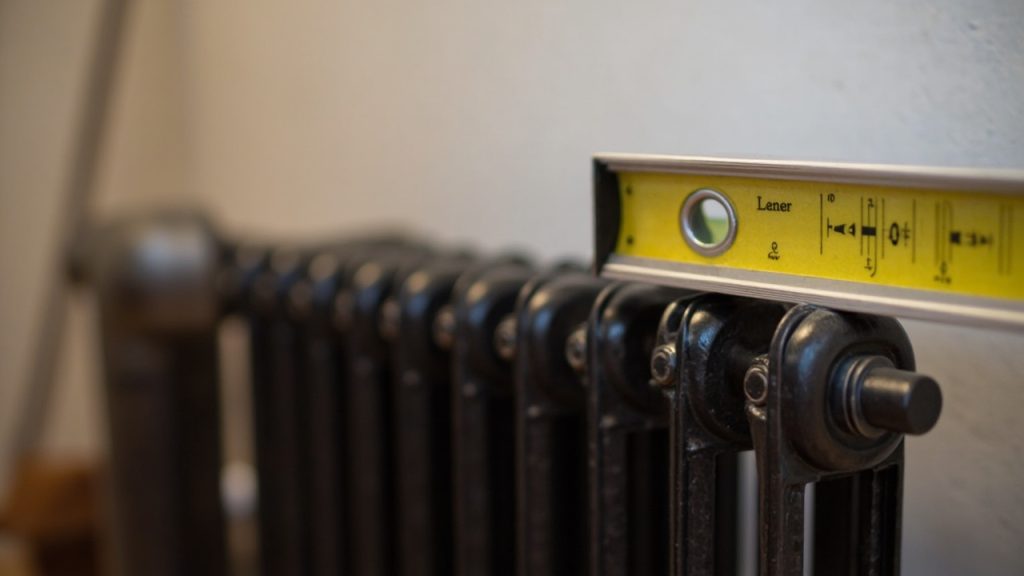
One of the most frequent causes of trapped water is an unlevel radiator. Homes in Sewickley settle over many decades. As floors sag, the radiator may tilt away from the supply valve. In a one-pipe system, the radiator must tilt slightly toward the valve. This allows the condensate to drain out by gravity while steam is coming in. Use a spirit level to check the slope. If it is level or tilting the wrong way, you need to lift the end without the valve. Slide wood shims under the feet of the radiator. A small lift of a quarter inch is usually enough to let the water drain. This simple fix solves a large percentage of noise complaints without needing new parts.
| Problem Type | Common Symptom | Likely Cause |
|---|---|---|
| Steam Hammer | Loud metallic banging | Trapped condensate or poor pitch |
| Gurgling | Sloshing water sound | Air trapped in a hot water system |
| Whistling | High pitched air sound | Clogged or failing air vent |
| Clicking | Rapid tapping sounds | Pipe expansion against floorboards |
Examine Your Radiator Supply Valve
Radiator valves on a steam system should be either fully open or fully closed. Many homeowners try to regulate the heat by partially closing the valve. This is a mistake. When the valve is half-open, the opening is too narrow for steam to go up and water to go down at the same time. They collide in the valve body and create a loud clattering sound. If you want to adjust the temperature in specific rooms, you should use a thermostatic radiator valve. For homeowners upgrading older Point Breeze heating systems with modern smart thermostats, it is important to remember that the physical radiator valve still needs to be fully open for the system to balance correctly. If your valve is stuck, do not force it with a heavy wrench as you might snap the stem. Professional technicians have the tools to free these valves safely.
Maintaining the Radiator Air Vent
The air vent is the small, bullet-shaped valve on the side of your radiator. Its job is to let air escape so steam can fill the unit. When the steam reaches the vent, a heat-sensitive element closes it. If this vent gets clogged with mineral deposits or paint, air cannot escape. This creates pressure imbalances that lead to banging. In 2026, many homeowners use high-efficiency vents that react faster to temperature changes. You can test your vent by removing it when the radiator is cold. If the banging stops during the next cycle with the vent removed, you know the vent was the problem. Replace it with a quality brand like Hoffman or Gorton to ensure long-term quiet operation.
Boiler Water Levels and System Pressure
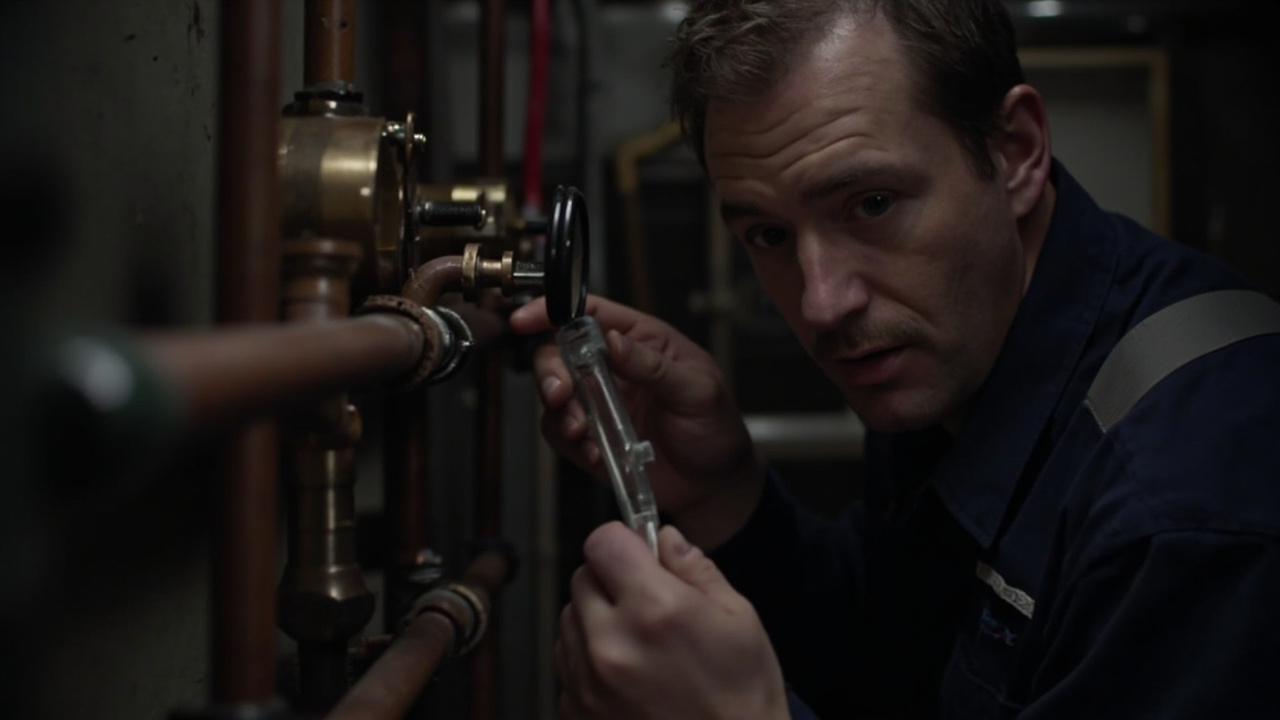
Your boiler in the basement is the heart of the system. Check the glass sight tube on the side of the boiler. If the water level is too high, it can flood the pipes and cause massive banging throughout the entire house. If it is too low, the boiler could shut down or even crack. Most Pittsburgh homes have water with specific mineral content that can cause foaming inside the boiler. This foam carries water into the pipes where it does not belong. Flushing the boiler to remove sediment is a critical maintenance task. For those effective ways to fix uneven temperatures in a multi level Fox Chapel house, checking the boiler pressure is usually the first step. The pressure should rarely exceed two pounds per square inch for a residential steam system. High pressure is a leading cause of noise and fuel waste.
Dealing with Pipe Expansion Noise
Sometimes the noise is not a bang but a series of rapid clicks or taps. This often happens as the system warms up. As metal pipes heat up, they expand. If a pipe is tight against a floorboard or a wooden joist in your Sewickley home, it will rub against the wood. This creates a clicking sound. You can fix this by widening the hole where the pipe passes through the floor. You can also place a piece of thin insulation or a specialized plastic sleeve between the pipe and the wood. This allows the pipe to move silently as it expands and contracts.
The Role of Air Quality and Filtration
While radiators handle the heat, the way your home moves air also matters. Steam systems do not use fans, which means they do not circulate dust as much as forced air systems. But keeping the areas around your radiators clean is vital for heat transfer. When we discuss improving the air quality in your older Shadyside home through better filtration, we often look at how radiator heat can dry out the air. Using a humidifier in conjunction with your steam heat can make the 2026 winter much more comfortable for your family and your woodwork.
| Tool or Part | Function for Radiators | Average Replacement Time |
|---|---|---|
| Spirit Level | Checking the slope for drainage | 5 minutes |
| Air Vent | Releasing air from the unit | 10 minutes |
| Wood Shims | Lifting the radiator feet | 15 minutes |
| Pipe Wrench | Tightening leaking unions | 20 minutes |
When the Banging Becomes Dangerous
Most radiator noises are just signs of poor maintenance. But some noises indicate a dangerous situation. If you hear a loud, rhythmic thumping that shakes the entire house, your boiler might be experiencing a condition called priming. This happens when the boiler water is dirty or contains oil. Large slugs of water are being thrown into the mains. This can lead to a pipe failure. According to Department of Energy safety guidelines, maintaining proper water chemistry is essential for steam boiler longevity. If you see water leaking from a pipe joint or the radiator itself while it is banging, shut the system off immediately. Steam burns are severe and high-pressure leaks can cause extensive property damage in your historic home.
The Benefit of Professional Steam System Balancing
Steam heating is a lost art that many modern technicians do not fully understand. It requires a balance of pressure, venting, and gravity. A professional can perform a system-wide audit to ensure every radiator heats at the same rate. This involves sizing the vents correctly for each room. A large radiator at the end of a long hallway needs a different vent than a small radiator in a bathroom. This balancing act eliminates cold spots and stops the banging. In 2026, we use digital ultrasonic tools to detect where condensate is pooling inside walls without tearing into your plaster. This technology allows for precise fixes that preserve the integrity of your Sewickley architecture.
Steps to Take Right Now
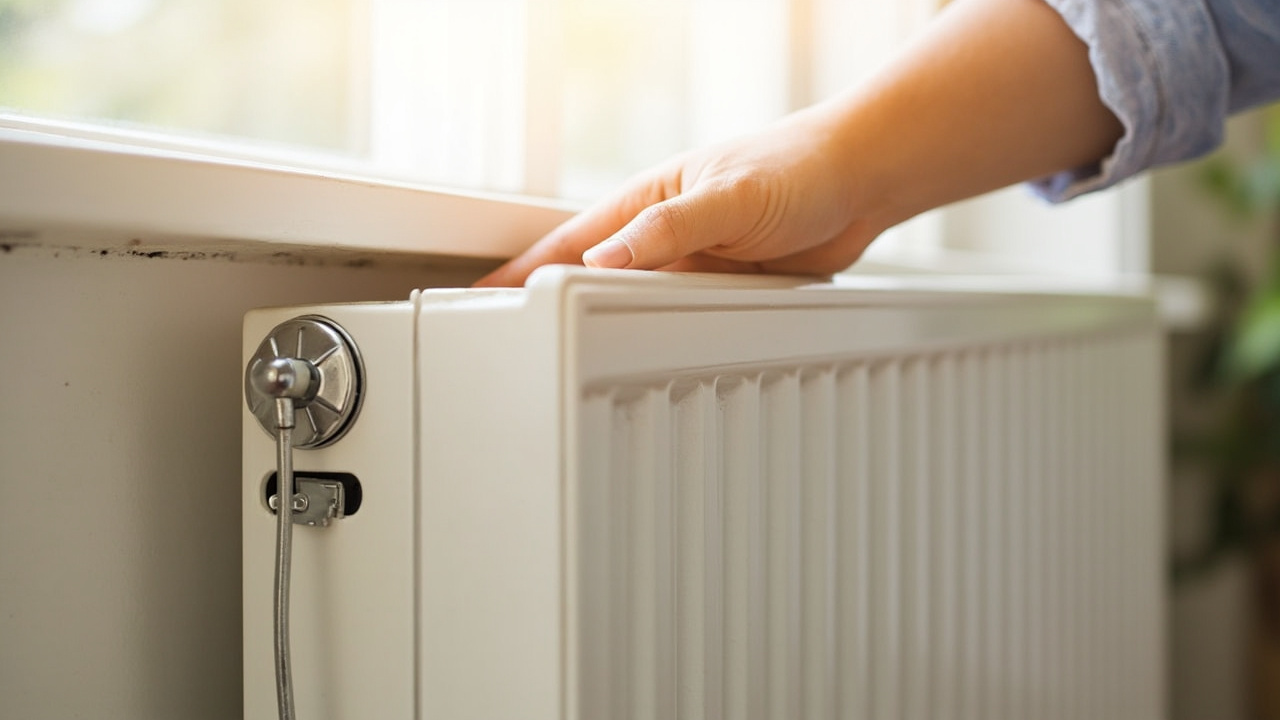
If your radiators are making noise today, follow these steps in order to isolate the issue.
- Confirm the supply valve is turned all the way to the right or all the way to the left.
- Use a level to ensure the radiator slopes toward the steam supply pipe.
- Listen to the air vent to see if it is hissing excessively or spitting water.
- Check the water level in your boiler sight glass.
- Look for any signs of fresh rust or water spots on the floor around your pipes.
Managing Hard Water and Sediment
Sewickley and the surrounding Pittsburgh areas often deal with hard water. Over years of operation, the minerals in the water settle at the bottom of the boiler. This sediment acts as an insulator. It causes the metal at the bottom of the boiler to overheat and can lead to uneven boiling. This uneven boiling creates large bubbles that burst and send water into your steam lines. Regular blow-downs of the boiler are necessary. This involves opening the drain valve to let out the sludge. Doing this once a month during the heating season will keep your system quiet and efficient. If you have not done this in years, you should have a professional do the first cleaning to avoid clogging the drain valve with heavy debris.
Upgrading for the 2026 Heating Season
Modern technology has made it easier to manage these old systems. You can now install electronic low-water cutoffs and automatic water feeders that maintain the perfect boiler level. Remote sensors can alert your phone if the system pressure rises too high or if a leak is detected in the basement. These additions bring peace of mind to homeowners who travel or have second properties in Allegheny County. Even though the radiators are old, the control systems in 2026 are highly advanced. They provide the comfort of a new home with the charm of a historic one.
Final Thoughts on Quiet Radiators
Banging radiators are not a mandatory part of living in Sewickley. You do not have to accept the noise as a quirk of an old house. By addressing the pitch, the valves, and the boiler maintenance, you can enjoy a silent and warm home. If you have tried the basic DIY steps and the noise persists, it is time to consult an expert who understands the nuances of Western Pennsylvania steam systems. Professional intervention ensures your heating system operates safely and effectively throughout the coldest months of the year.