
Is Geothermal Heating and Cooling Actually Worth the Investment for Sewickley Heights Homeowners
Geothermal heating and cooling systems tap into the earth’s stable underground temperature to provide efficient year-round comfort for your Sewickley Heights home. These systems use buried pipes to exchange heat with the ground, offering significant energy savings compared to traditional HVAC systems. But the big question remains: is the substantial upfront cost worth it for your specific property and lifestyle? Winterizing Your HVAC System.
The answer depends on several factors unique to Sewickley Heights. With its mix of historic estates and newer construction on larger lots, many properties here have the space needed for geothermal installation. The area’s clay-rich soil and varying topography create specific installation challenges that affect both cost and system design. Most importantly, the 30% federal tax credit available through 2032 can dramatically reduce the payback period, making geothermal much more attractive than it was just a few years ago. federal tax credits.
Let’s examine what makes geothermal work in Western Pennsylvania, the real costs you’ll face, and whether your Sewickley Heights property is a good candidate for this technology.
How Geothermal Systems Work in Western Pennsylvania
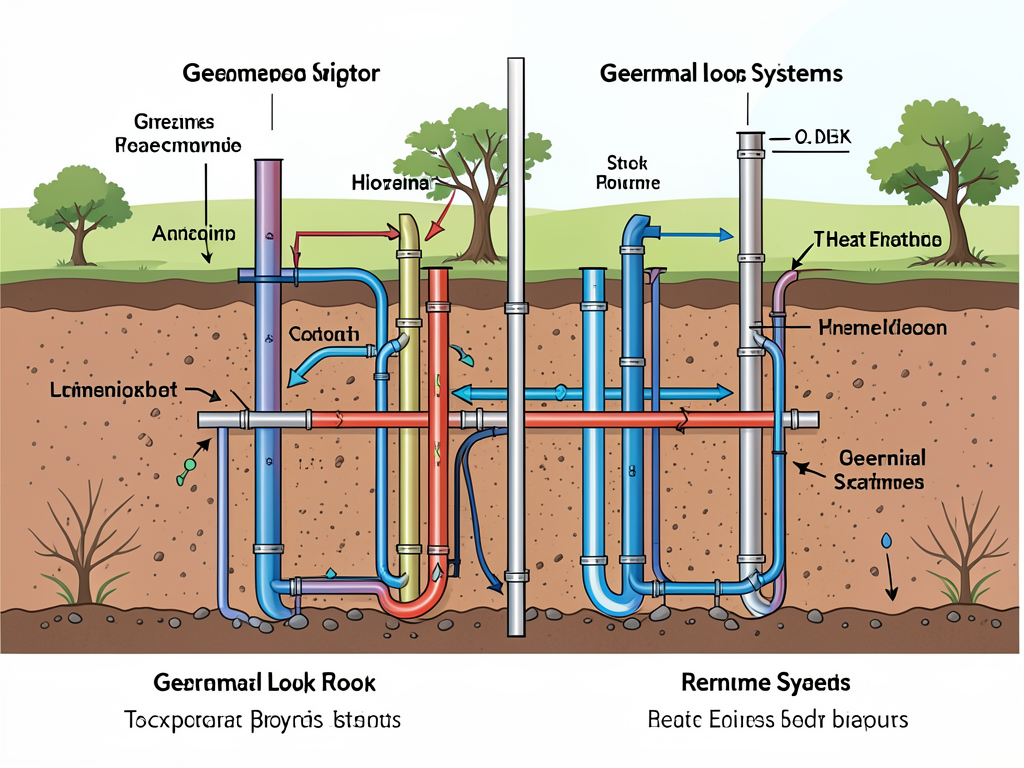
Geothermal heat pumps don’t create heat like a furnace does. Instead, they move heat between your home and the ground using a closed-loop system of underground pipes filled with water or antifreeze. In winter, the system extracts heat from the earth to warm your home. In summer, it reverses direction, pulling heat from your home and depositing it underground. Emergency Furnace Services for Families Living in Baldwin and Whitehall.
The magic happens because ground temperatures in Pittsburgh stay remarkably consistent year-round, typically between 50-55°F at depths of 6-10 feet. This stability means your system doesn’t have to work as hard as air-source heat pumps that battle our freezing winters and humid summers. The result is heating and cooling efficiencies that often exceed 400% compared to 95% for the best gas furnaces.
Types of Geothermal Loops for Sewickley Heights Properties
Choosing the right loop configuration depends on your property size, soil conditions, and local regulations. Sewickley Heights properties typically fall into two categories based on lot size and terrain.
Vertical Loop Systems
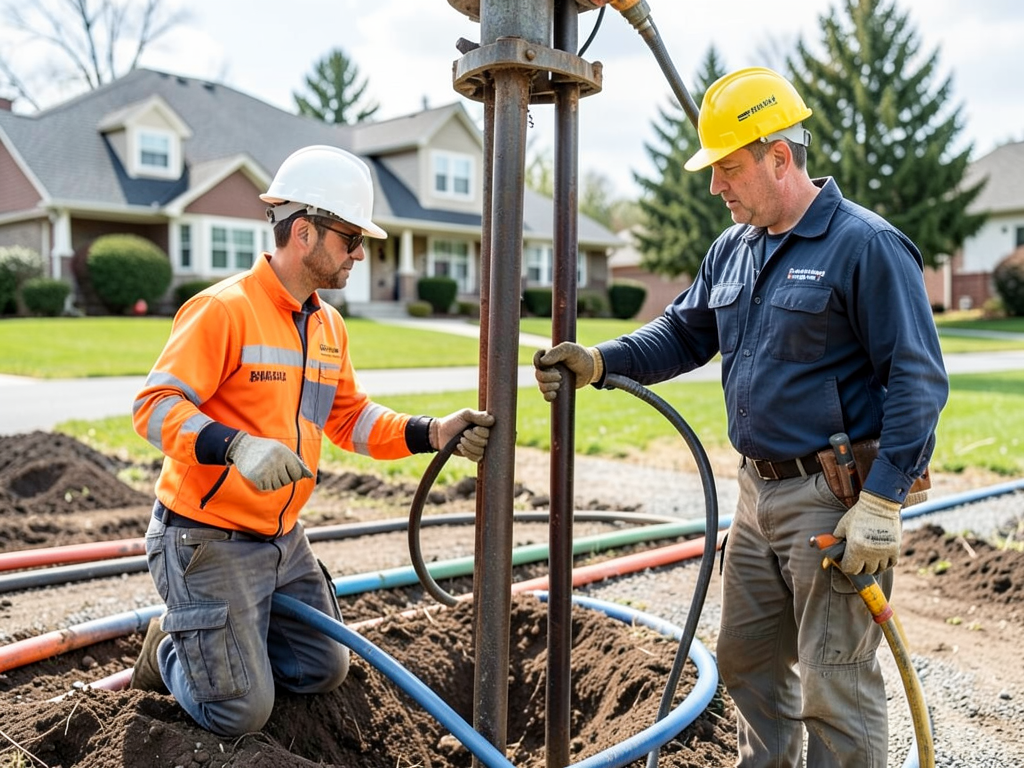
Vertical loops work best for properties with limited space or rocky soil conditions common in parts of Sewickley Heights. These systems require drilling wells 150-400 feet deep, with multiple loops connected in a vertical configuration. The drilling process must navigate Pittsburgh’s complex geology, which includes layers of shale, sandstone, and clay that affect drilling speed and cost.. Read more about How to Vet an HVAC Contractor for High End Variable Speed System Installations in Upper St. Clair.
A typical vertical installation for a 3,000-square-foot home requires 3-5 wells spaced 20 feet apart. The drilling process can take 3-5 days and costs $15-25 per foot depending on soil conditions. In areas with high clay content, the drilling mud management becomes critical to prevent surface contamination and comply with Pennsylvania DEP regulations.
Horizontal Loop Systems
Horizontal loops offer lower installation costs but require significant land area. These systems bury pipes in trenches 6-8 feet deep, arranged in a slinky or straight configuration. For a typical Sewickley Heights home, you’ll need 1/4 to 3/4 acre of open land with minimal slope.
The trenching process is less invasive than drilling but creates a larger surface disturbance. Pennsylvania building codes require specific setbacks from property lines and underground utilities. The horizontal approach works well on the flatter sections of Sewickley Heights where properties have large front or side yards available.
Real Costs and Financial Incentives for Sewickley Heights Homeowners
The total investment for a complete geothermal system in a typical Sewickley Heights home ranges from $25,000 to $45,000 installed. This includes the heat pump unit, ground loops, and all necessary electrical and mechanical connections. While this seems high compared to conventional systems, several factors make it more affordable.
The federal 30% tax credit under the Inflation Reduction Act applies to both equipment and installation costs, potentially saving you $7,500 to $13,500. Pennsylvania also offers additional incentives through the Alternative Energy Portfolio Standard, and local utilities like Duquesne Light provide rebates for high-efficiency installations.. Read more about Why a Hybrid Heat Pump is the Best Alternative to Propane for Rural Gibsonia Homes.
Operating costs tell a different story. Geothermal systems typically reduce heating costs by 50-70% and cooling costs by 20-40% compared to conventional systems. For a 3,000-square-foot home in Sewickley Heights, this translates to annual savings of $800 to $1,500. When you factor in the elimination of separate air conditioning units and potential furnace replacements, the payback period often falls between 5-10 years. EPA ground source heat pump information.
Property values also benefit. Studies show homes with geothermal systems sell for 3-7% more than comparable properties, and they often sell faster in our competitive Pittsburgh market. The systems’ 25-year lifespan for indoor components and 50+ year lifespan for ground loops means you’ll likely never need to replace the most expensive components.
Site Assessment and Installation Process
Before any drilling begins, a comprehensive site assessment determines if your property is suitable for geothermal installation. This evaluation examines soil conductivity, available space, existing utilities, and local permitting requirements specific to Sewickley Heights and Allegheny County.
Soil conductivity testing measures how efficiently heat transfers between your system and the earth. Pittsburgh’s clay-heavy soils typically have lower conductivity than sandy soils, requiring more loop length or deeper installation. The assessment also identifies any underground obstacles like old foundations, utility lines, or bedrock that could complicate installation.
The installation process follows a specific sequence to minimize disruption and ensure code compliance. First, permits are obtained from both Sewickley Heights and Allegheny County, including environmental clearances for drilling activities. Next, the ground loops are installed using either drilling or trenching equipment, depending on your chosen configuration.
After loop installation, the heat pump unit is mounted inside your home, typically in a basement or utility room. The system is then pressure-tested, connected to your home’s ductwork or radiant heating system, and commissioned by certified technicians. The entire process usually takes 2-3 weeks from start to finish.
Maintenance and Performance in Pittsburgh’s Climate
Geothermal systems require minimal maintenance compared to conventional HVAC equipment, but Pittsburgh’s specific climate creates some unique considerations. The systems perform exceptionally well in our cold winters because they don’t rely on outdoor air temperatures like heat pumps do. Even during polar vortex events when temperatures drop below zero, geothermal systems maintain their efficiency.
Summer humidity in Pittsburgh actually benefits geothermal cooling. The systems remove moisture from the air more effectively than standard air conditioners, creating more comfortable indoor conditions without overcooling. This dehumidification capability is particularly valuable in older Sewickley Heights homes that often lack proper vapor barriers.
Annual maintenance typically includes checking refrigerant levels, cleaning the heat exchanger, and inspecting the ground loop pressure. The buried loops rarely require attention unless a leak develops, which is extremely uncommon with modern HDPE piping systems. Most homeowners find they need professional service only every 2-3 years. The Homeowners Guide to Replacing an Aging Boiler in Bloomfield.
Water quality can affect system longevity in areas with high mineral content. Pittsburgh’s water supply varies by neighborhood, and testing helps determine if water treatment is necessary for open-loop systems or if closed-loop systems are the better choice.
Comparing Geothermal to Other Heating Options
When evaluating geothermal, it’s important to compare it against other high-efficiency options available to Sewickley Heights homeowners. Natural gas remains the most common heating fuel in our area, with high-efficiency condensing furnaces achieving up to 98% efficiency. However, gas prices remain volatile, and these systems still produce greenhouse gas emissions.
Air-source heat pumps have improved dramatically in recent years and can now operate efficiently in temperatures well below zero. However, they still struggle during extreme cold snaps, often requiring backup electric resistance heating that dramatically increases energy costs. Their efficiency also drops significantly when temperatures fall below 20°F.
Propane and oil heating systems are generally more expensive to operate than natural gas and produce the highest emissions of common heating fuels. They also require fuel storage tanks and regular fuel deliveries, adding ongoing costs and potential supply concerns.
Geothermal systems eliminate fuel supply concerns entirely and provide the most stable operating costs over time. While the initial investment is higher, the combination of energy savings, tax incentives, and increased property value often makes geothermal the most economical choice over a 10-15 year period.
Is Your Sewickley Heights Home a Good Candidate?
Several factors determine whether geothermal makes sense for your specific property. First, consider your long-term plans. If you plan to stay in your home for less than five years, the payback period may not justify the investment. However, if you’re building a new home or planning to stay long-term, the economics become much more favorable.
Property characteristics matter significantly. Homes on larger lots with minimal slope and good access for drilling equipment are ideal candidates. Properties with existing well water systems can sometimes use open-loop configurations that reduce installation costs. Older homes with inefficient heating systems often see the fastest payback periods because they’re replacing the most expensive to operate equipment.
Your current utility rates also influence the economics. Sewickley Heights residents typically have access to natural gas, which keeps heating costs relatively low compared to electric resistance heating. However, even with low gas rates, the 400%+ efficiency of geothermal often provides better long-term economics, especially when factoring in the tax credits.
Environmental considerations play a role for many homeowners. Geothermal systems produce no on-site emissions and reduce overall carbon footprint by 50-70% compared to conventional heating systems. For homeowners concerned about climate change or interested in sustainable living, these benefits may outweigh pure economic calculations.
Frequently Asked Questions
How long does a geothermal system last in Pittsburgh’s climate?
The indoor heat pump components typically last 20-25 years with proper maintenance. The ground loops themselves often exceed 50 years because they’re protected from weather and UV exposure. Pittsburgh’s freeze-thaw cycles don’t affect properly installed loops because they’re buried below the frost line.
Will geothermal work during Pittsburgh’s coldest winters?
Yes. Unlike air-source heat pumps that lose efficiency in extreme cold, geothermal systems maintain their performance because ground temperatures stay constant year-round. Even during polar vortex events when air temperatures drop below zero, your system will heat your home efficiently.
What kind of maintenance does a geothermal system need?
Annual maintenance includes checking refrigerant levels, cleaning the heat exchanger, and inspecting electrical connections. The ground loops rarely require attention. Most systems need professional service only every 2-3 years, compared to annual maintenance for conventional HVAC systems.
How much yard space do I need for installation?
Horizontal systems need 1/4 to 3/4 acre of open land. Vertical systems require much less surface area but need access for drilling equipment. A typical vertical installation needs a 20×20 foot work area and can be done on lots as small as 1/4 acre if access allows.
Are there any noise concerns with geothermal systems?
Geothermal systems operate very quietly. The indoor unit makes about as much noise as a refrigerator. There are no outdoor condensing units like traditional air conditioners, so you won’t have noise complaints from neighbors or disruptive outdoor equipment sounds.
What happens if there’s a problem with the ground loops?
Ground loop leaks are extremely rare with modern HDPE piping systems. If a leak does occur, it’s usually in the underground connections rather than the loops themselves. Repairs involve locating the leak with specialized equipment and making a fusion-welded repair that restores the system to like-new condition.
Can geothermal provide hot water for my home?
Yes. Many geothermal systems include a desuperheater that captures waste heat from the cooling cycle to preheat domestic hot water. This can provide 50-60% of your hot water needs during cooling season and some hot water during heating season, further increasing overall efficiency.
How does geothermal affect my home’s resale value?
Homes with geothermal systems typically sell for 3-7% more than comparable properties and often sell faster. Buyers increasingly value energy efficiency and the elimination of fuel delivery concerns. The systems’ long lifespan means future owners won’t face heating system replacement costs.
What permits are required in Sewickley Heights?
You’ll need building permits from both Sewickley Heights and Allegheny County. The drilling process may require additional environmental permits depending on soil conditions and proximity to water features. Your contractor should handle all permitting, but it’s important to verify they have experience with local requirements.
How do I know if my property has the right soil conditions?
A professional site assessment includes soil conductivity testing to determine if your property is suitable. Pittsburgh’s clay-heavy soils typically work well but may require longer loop lengths or deeper installation. The assessment also identifies any underground obstacles that could complicate installation.
What’s the difference between open-loop and closed-loop systems?
Closed-loop systems circulate water or antifreeze through buried pipes and are most common in Sewickley Heights. Open-loop systems pump groundwater through the heat pump and discharge it back to the environment. Open-loop systems can be more efficient but require suitable groundwater conditions and additional permitting.
How does the 30% tax credit work?
The federal tax credit covers 30% of both equipment and installation costs with no upper limit. You claim it on your federal tax return in the year installation is complete. If you can’t use the full credit in one year, you can carry forward unused credits for up to five years.
Can I install geothermal myself to save money?
Geothermal installation requires specialized equipment, engineering expertise, and knowledge of local codes and geology. DIY installation is not recommended and may void warranties or create safety hazards. Professional installation ensures proper sizing, code compliance, and warranty protection.
What happens during a power outage?
Like all electric heating systems, geothermal won’t work during a complete power outage. However, the systems use much less electricity than conventional electric heating, so a smaller backup generator can keep your home comfortable during outages. Some homeowners install small generators specifically for geothermal backup.
How do I choose a qualified geothermal contractor?
Look for contractors certified by the International Ground Source Heat Pump Association (IGSHPA) and experienced with Pittsburgh’s specific geology and building codes. Ask for references from local installations and verify they handle all necessary permitting. The cheapest bid often isn’t the best value for this complex installation.
Making Your Decision
Geothermal heating and cooling represents a significant investment, but for many Sewickley Heights homeowners, it’s an investment that pays dividends in comfort, efficiency, and environmental responsibility. The technology works exceptionally well in Western Pennsylvania’s climate, providing reliable heating even during our coldest winters and efficient cooling during humid summers.
The combination of 30% federal tax credits, local utility rebates, and rising energy costs has made geothermal more attractive than ever. When you factor in the systems’ 25-50 year lifespan, the elimination of fuel delivery concerns, and potential property value increases, many homeowners find the economics compelling.
However, geothermal isn’t right for every property or every homeowner. The high upfront cost, site requirements, and installation complexity mean it’s worth having a professional assessment before making your decision. A qualified contractor can evaluate your specific property, energy usage patterns, and financial situation to determine if geothermal makes sense for you.
If you’re building a new home, planning a major renovation, or simply tired of rising energy costs and unreliable heating systems, geothermal deserves serious consideration. The technology has matured significantly in recent years, and with current incentives, there’s never been a better time to explore this option for your Sewickley Heights home.
Ready to learn if geothermal is right for your property? Call (412) 387-0477 today to schedule a free site assessment. Our certified technicians will evaluate your home’s suitability, explain your options, and provide a detailed quote with all available incentives factored in. Don’t wait until the next cold snap to discover if you could be enjoying efficient, reliable comfort year-round.
{
“@context”: “https://schema.org”,
“@type”: “BlogPosting”,
“headline”: “Is Geothermal Heating and Cooling Actually Worth the Investment for Sewickley Heights Homeowners”,
“description”: “Discover if geothermal HVAC is right for your Sewickley Heights home. Learn about costs, tax credits, ROI, and local installation challenges specific to Western PA.”,
“wordCount”: 2627,
“datePublished”: “2026-04-30T12:05:00.000Z”,
“dateModified”: “2026-04-30T12:05:00.000Z”,
“inLanguage”: “en-US”,
“mainEntityOfPage”: {
“@type”: “WebPage”,
“@id”: “https://apexhvacpittsburgh.com”
},
“publisher”: {
“@type”: “LocalBusiness”,
“name”: “Apex HVAC Pittsburgh”,
“url”: “https://apexhvacpittsburgh.com”
},
“author”: {
“@type”: “Organization”,
“name”: “Apex HVAC Pittsburgh”,
“url”: “https://apexhvacpittsburgh.com”
},
“image”: {
“@type”: “ImageObject”,
“url”: “https://apexhvacpittsburgh.com/wp-content/uploads/2026/03/is-geothermal-heating-and-cooling-actually-worth-t-1.png”
}
}
{
“@context”: “https://schema.org”,
“@type”: “HVACBusiness”,
“name”: “Apex HVAC Pittsburgh”,
“url”: “https://apexhvacpittsburgh.com”,
“address”: {
“@type”: “PostalAddress”,
“addressLocality”: “Pittsburgh”
},
“areaServed”: {
“@type”: “City”,
“name”: “Pittsburgh”
}
}
{
“@context”: “https://schema.org”,
“@type”: “FAQPage”,
“mainEntity”: [
{
“@type”: “Question”,
“name”: “Is Your Sewickley Heights Home a Good Candidate?”,
“acceptedAnswer”: {
“@type”: “Answer”,
“text”: “Several factors determine whether geothermal makes sense for your specific property. First, consider your long-term plans. If you plan to stay in your home for less than five years, the payback period may not justify the investment. However, if you’re building a new home or planning to stay long-term, the economics become much more favorable.”
}
},
{
“@type”: “Question”,
“name”: “How long does a geothermal system last in Pittsburgh’s climate?”,
“acceptedAnswer”: {
“@type”: “Answer”,
“text”: “The indoor heat pump components typically last 20-25 years with proper maintenance. The ground loops themselves often exceed 50 years because they’re protected from weather and UV exposure. Pittsburgh’s freeze-thaw cycles don’t affect properly installed loops because they’re buried below the frost line.”
}
},
{
“@type”: “Question”,
“name”: “Will geothermal work during Pittsburgh’s coldest winters?”,
“acceptedAnswer”: {
“@type”: “Answer”,
“text”: “Yes. Unlike air-source heat pumps that lose efficiency in extreme cold, geothermal systems maintain their performance because ground temperatures stay constant year-round. Even during polar vortex events when air temperatures drop below zero, your system will heat your home efficiently.”
}
},
{
“@type”: “Question”,
“name”: “What kind of maintenance does a geothermal system need?”,
“acceptedAnswer”: {
“@type”: “Answer”,
“text”: “Annual maintenance includes checking refrigerant levels, cleaning the heat exchanger, and inspecting electrical connections. The ground loops rarely require attention. Most systems need professional service only every 2-3 years, compared to annual maintenance for conventional HVAC systems.”
}
},
{
“@type”: “Question”,
“name”: “How much yard space do I need for installation?”,
“acceptedAnswer”: {
“@type”: “Answer”,
“text”: “Horizontal systems need 1/4 to 3/4 acre of open land. Vertical systems require much less surface area but need access for drilling equipment. A typical vertical installation needs a 20×20 foot work area and can be done on lots as small as 1/4 acre if access allows.”
}
},
{
“@type”: “Question”,
“name”: “Are there any noise concerns with geothermal systems?”,
“acceptedAnswer”: {
“@type”: “Answer”,
“text”: “Geothermal systems operate very quietly. The indoor unit makes about as much noise as a refrigerator. There are no outdoor condensing units like traditional air conditioners, so you won’t have noise complaints from neighbors or disruptive outdoor equipment sounds.”
}
},
{
“@type”: “Question”,
“name”: “What happens if there’s a problem with the ground loops?”,
“acceptedAnswer”: {
“@type”: “Answer”,
“text”: “Ground loop leaks are extremely rare with modern HDPE piping systems. If a leak does occur, it’s usually in the underground connections rather than the loops themselves. Repairs involve locating the leak with specialized equipment and making a fusion-welded repair that restores the system to like-new condition.”
}
},
{
“@type”: “Question”,
“name”: “Can geothermal provide hot water for my home?”,
“acceptedAnswer”: {
“@type”: “Answer”,
“text”: “Yes. Many geothermal systems include a desuperheater that captures waste heat from the cooling cycle to preheat domestic hot water. This can provide 50-60% of your hot water needs during cooling season and some hot water during heating season, further increasing overall efficiency.”
}
},
{
“@type”: “Question”,
“name”: “How does geothermal affect my home’s resale value?”,
“acceptedAnswer”: {
“@type”: “Answer”,
“text”: “Homes with geothermal systems typically sell for 3-7% more than comparable properties and often sell faster. Buyers increasingly value energy efficiency and the elimination of fuel delivery concerns. The systems’ long lifespan means future owners won’t face heating system replacement costs.”
}
},
{
“@type”: “Question”,
“name”: “What permits are required in Sewickley Heights?”,
“acceptedAnswer”: {
“@type”: “Answer”,
“text”: “You’ll need building permits from both Sewickley Heights and Allegheny County. The drilling process may require additional environmental permits depending on soil conditions and proximity to water features. Your contractor should handle all permitting, but it’s important to verify they have experience with local requirements.”
}
},
{
“@type”: “Question”,
“name”: “How do I know if my property has the right soil conditions?”,
“acceptedAnswer”: {
“@type”: “Answer”,
“text”: “A professional site assessment includes soil conductivity testing to determine if your property is suitable. Pittsburgh’s clay-heavy soils typically work well but may require longer loop lengths or deeper installation. The assessment also identifies any underground obstacles that could complicate installation.”
}
},
{
“@type”: “Question”,
“name”: “What’s the difference between open-loop and closed-loop systems?”,
“acceptedAnswer”: {
“@type”: “Answer”,
“text”: “Closed-loop systems circulate water or antifreeze through buried pipes and are most common in Sewickley Heights. Open-loop systems pump groundwater through the heat pump and discharge it back to the environment. Open-loop systems can be more efficient but require suitable groundwater conditions and additional permitting.”
}
},
{
“@type”: “Question”,
“name”: “How does the 30% tax credit work?”,
“acceptedAnswer”: {
“@type”: “Answer”,
“text”: “The federal tax credit covers 30% of both equipment and installation costs with no upper limit. You claim it on your federal tax return in the year installation is complete. If you can’t use the full credit in one year, you can carry forward unused credits for up to five years.”
}
},
{
“@type”: “Question”,
“name”: “Can I install geothermal myself to save money?”,
“acceptedAnswer”: {
“@type”: “Answer”,
“text”: “Geothermal installation requires specialized equipment, engineering expertise, and knowledge of local codes and geology. DIY installation is not recommended and may void warranties or create safety hazards. Professional installation ensures proper sizing, code compliance, and warranty protection.”
}
},
{
“@type”: “Question”,
“name”: “What happens during a power outage?”,
“acceptedAnswer”: {
“@type”: “Answer”,
“text”: “Like all electric heating systems, geothermal won’t work during a complete power outage. However, the systems use much less electricity than conventional electric heating, so a smaller backup generator can keep your home comfortable during outages. Some homeowners install small generators specifically for geothermal backup.”
}
},
{
“@type”: “Question”,
“name”: “How do I choose a qualified geothermal contractor?”,
“acceptedAnswer”: {
“@type”: “Answer”,
“text”: “Look for contractors certified by the International Ground Source Heat Pump Association (IGSHPA) and experienced with Pittsburgh’s specific geology and building codes. Ask for references from local installations and verify they handle all necessary permitting. The cheapest bid often isn’t the best value for this complex installation.”
}
}
]
}
{
“@context”: “https://schema.org”,
“@type”: “BreadcrumbList”,
“itemListElement”: [
{
“@type”: “ListItem”,
“position”: 1,
“name”: “Home”,
“item”: “https://apexhvacpittsburgh.com”
},
{
“@type”: “ListItem”,
“position”: 2,
“name”: “Blog”,
“item”: “https://apexhvacpittsburgh.com/blog”
},
{
“@type”: “ListItem”,
“position”: 3,
“name”: “Is Geothermal Heating and Cooling Actually Worth the Investment for Sewickley Heights Homeowners”
}
]
}
{
“@context”: “https://schema.org”,
“@type”: “Service”,
“serviceType”: “HVAC”,
“provider”: {
“@type”: “LocalBusiness”,
“name”: “Apex HVAC Pittsburgh”,
“url”: “https://apexhvacpittsburgh.com”
},
“areaServed”: {
“@type”: “City”,
“name”: “Pittsburgh”
},
“description”: “Discover if geothermal HVAC is right for your Sewickley Heights home. Learn about costs, tax credits, ROI, and local installation challenges specific to Western PA.”
}