
Why Spring Allergies are Worse in the Allegheny Valley and How Your HVAC System Can Help
Spring allergies hit Pittsburgh residents harder than most places in the country. The unique geography of the Allegheny Valley creates perfect conditions for trapping pollen, industrial particulates, and moisture that trigger allergy symptoms. Your HVAC system can be your first line of defense against these seasonal irritants. Winterizing Your HVAC System.
The river valleys near Tarentum and Cheswick create natural bowl effects where airborne allergens settle instead of dispersing. This means Pittsburgh experiences some of the highest pollen counts in Pennsylvania during April and May. When combined with the region’s humidity levels that often exceed 70% during spring months, your home becomes a breeding ground for dust mites and mold spores.
Your HVAC system does more than heat and cool your home. It controls the air you breathe every day. A properly maintained system with the right filtration can remove up to 99.97% of airborne particles that cause allergy symptoms. The key is understanding what makes Pittsburgh’s air quality unique and how to combat it effectively. Understanding Ductless Systems.
How Pittsburgh’s Geography Makes Allergies Worse
The Allegheny River Valley creates a natural bowl that traps air pollutants and allergens. When warm air rises during the day, it hits the surrounding hills and cools, causing it to sink back down into the valley. This creates what meteorologists call a temperature inversion, where pollutants and allergens get trapped near ground level.
Industrial heritage adds another layer of complexity. Areas like the Mon Valley still experience higher particulate matter levels due to historical industrial activity. These microscopic particles can penetrate deep into your lungs and trigger inflammatory responses.
Local vegetation compounds the problem. Pittsburgh’s urban forest includes high-pollen trees like oak, maple, and birch that release massive amounts of pollen during spring months. The combination of river valley geography and dense tree coverage means allergy sufferers experience symptoms longer and more intensely than in other regions.
Call (412) 387-0477 today to schedule your inspection. We can test your indoor air quality and recommend solutions specific to Pittsburgh’s unique environmental challenges.
Common Indoor Allergens in Pittsburgh Homes
Dust mites thrive in Pittsburgh’s humid spring climate. These microscopic creatures feed on dead skin cells and produce waste that triggers allergic reactions. They multiply rapidly when humidity exceeds 50%, which happens frequently during Pittsburgh’s spring months.
Mold spores are another major concern. The region’s freeze-thaw cycles create moisture problems in basements and crawl spaces. When spring arrives, these hidden moisture sources become perfect breeding grounds for mold that releases spores throughout your home.
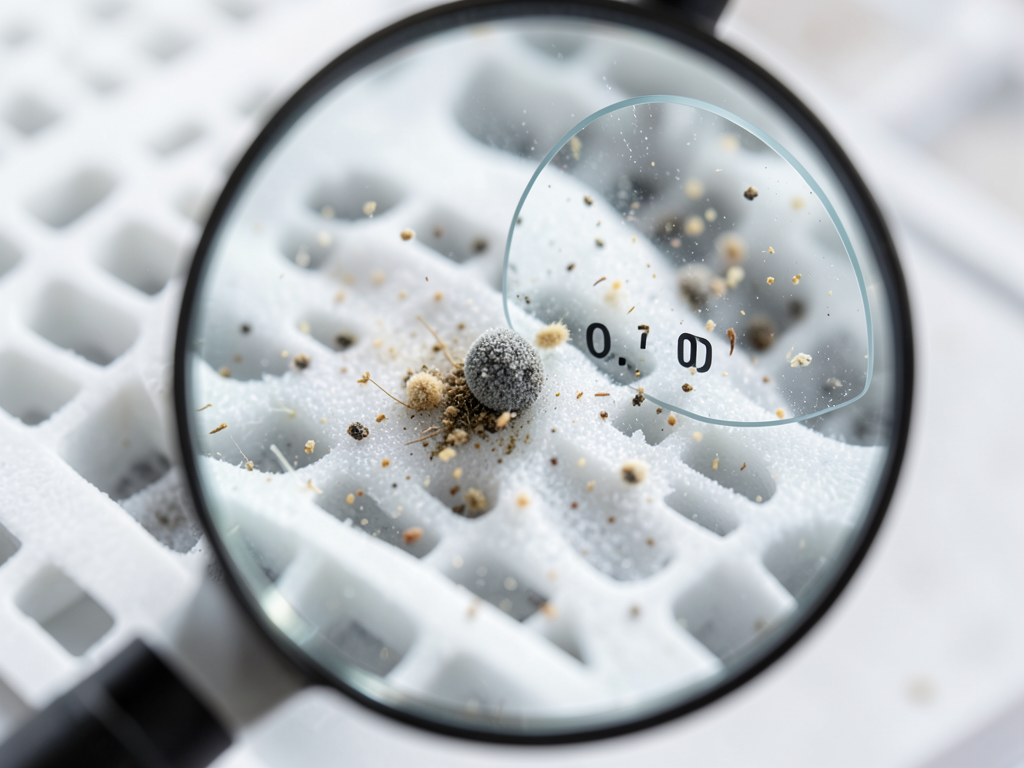
Pollen infiltration occurs even in homes with closed windows. The average home exchanges air with the outside multiple times per hour through gaps around doors, windows, and through the HVAC system itself. Without proper filtration, these allergens circulate continuously.. Read more about Does Your HVAC System Actually Help with Radon Mitigation in Marshall Township.
Pet dander adds another layer of complexity. Many Pittsburgh homes have pets that shed year-round, and spring shedding seasons release even more dander into the air. Combined with seasonal pollen, this creates a perfect storm for allergy sufferers.

Whole-Home Air Purification Solutions
Whole-home air purifiers integrate directly with your existing HVAC system to filter air throughout your entire house. Unlike portable units that only clean one room, these systems treat all the air your HVAC system moves.
HEPA filtration systems capture particles as small as 0.3 microns with 99.97% efficiency. This includes pollen, dust mites, mold spores, and many bacteria. For Pittsburgh’s spring allergy season, HEPA filtration provides the most comprehensive protection available. EPA Indoor Air Quality.
UV germicidal lights installed in your ductwork kill airborne bacteria, viruses, and mold spores as air passes through. These lights work continuously, providing protection even when your HVAC system isn’t actively heating or cooling.
Electronic air cleaners use electrostatic attraction to capture particles. These systems charge airborne particles and collect them on oppositely charged plates. They’re particularly effective at capturing smaller particles that might pass through standard filters.
- Assess Your Home’s Needs
Consider square footage, existing HVAC system, and specific allergy triggers in your household.
- Check MERV Ratings
Look for filters with MERV ratings between 11 and 16 for optimal allergen removal without restricting airflow.
- Consider Professional Installation
Whole-home systems require proper integration with existing HVAC equipment for maximum effectiveness.
- Schedule Regular Maintenance
Replace filters according to manufacturer recommendations and schedule annual system checkups.
Understanding MERV Ratings for Pittsburgh Homes
MERV stands for Minimum Efficiency Reporting Value. This rating system measures how effectively a filter captures particles of different sizes. For Pittsburgh’s allergy season, understanding MERV ratings helps you choose the right protection level.
MERV 8 filters capture dust, pollen, and mold spores but allow good airflow. These work well for basic protection but may not be sufficient during peak allergy season.
MERV 11 filters capture smaller particles including pet dander and some bacteria. These provide better protection for allergy sufferers while maintaining reasonable airflow in most HVAC systems.
MERV 13 filters capture particles as small as 0.3 microns, including most bacteria and smoke particles. These offer excellent protection but may require HVAC system modifications to maintain proper airflow.
MERV 16 filters provide hospital-grade filtration but significantly restrict airflow. Most residential HVAC systems cannot handle these filters without major modifications.
| MERV Rating | Particle Size Captured | Best For | Airflow Impact |
|---|---|---|---|
| MERV 8 | 3.0 – 10.0 microns | Basic dust and pollen | Minimal |
| MERV 11 | 1.0 – 3.0 microns | Allergies, pet dander | Low |
| MERV 13 | 0.3 – 1.0 microns | Severe allergies, smoke | Moderate |
| MERV 16 | 0.3 – 1.0 microns | Hospital, clean rooms | High |
Installation Considerations for Pittsburgh Homes
Older Pittsburgh homes present unique challenges for air purification installation. Many homes in neighborhoods like Squirrel Hill and Shadyside were built before modern HVAC systems existed, requiring creative solutions for air quality improvement.
Radiator-heated homes need special consideration. Without ductwork, whole-home air purification requires either retrofitting ductwork or installing separate air handler units. Both options have cost and space implications.
Historic district regulations in areas like Mount Washington can limit exterior modifications needed for some air purification systems. Working with contractors familiar with local regulations ensures compliance while achieving your air quality goals.
Multi-story homes in neighborhoods like Wexford benefit from zoned air purification systems. These allow different filtration levels on different floors based on usage patterns and allergy sensitivity.
Energy efficiency matters in Pittsburgh’s climate. Air purification systems should work with your HVAC system’s energy usage patterns rather than against them. Proper sizing and integration prevent unnecessary energy costs.
Maintenance Requirements for Peak Performance
Air purification systems require regular maintenance to function effectively. Pittsburgh’s spring season creates heavy pollen loads that can clog filters quickly, reducing system efficiency and air quality benefits.
Filter replacement schedules vary by system type and usage. During peak allergy season, HEPA filters may need replacement every 2-3 months instead of the standard 6-month interval. Electronic air cleaners require monthly cleaning of collection plates.
UV light systems need annual bulb replacement even if they still produce visible light. The UV intensity decreases over time, reducing germicidal effectiveness. Mark your calendar for annual replacement during spring maintenance.
System diagnostics should be performed annually by qualified technicians. They can measure airflow, check for leaks in ductwork, and ensure all components function at peak efficiency.
Humidity control plays a crucial role in allergy management. Many air purification systems include humidity monitoring and control features that help maintain optimal levels between 30-50% relative humidity.
Don’t wait until allergies become unbearable. Call (412) 387-0477 now to schedule your consultation.
Cost Considerations and ROI
Whole-home air purification represents a significant investment, but the returns extend beyond allergy relief. Consider the costs of over-the-counter medications, doctor visits, and lost productivity when evaluating system value.
Installation costs vary based on home size, existing HVAC configuration, and chosen system type. Basic HEPA bypass systems start around $800, while comprehensive systems with UV lights and electronic air cleaners can exceed $2,500.
Energy costs increase slightly with air purification systems due to the additional resistance they create in your HVAC system. However, this increase is typically offset by improved system efficiency from cleaner coils and components.
Portable air purifiers cost less initially but cover limited areas and require multiple units for whole-house protection. They also create noise and consume more energy per square foot than whole-home systems.
Professional installation ensures optimal system performance and protects your HVAC warranty. DIY installation often leads to reduced effectiveness and potential system damage.
Frequently Asked Questions
How quickly will I notice allergy relief after installation?
Most people notice significant improvement within 24-48 hours as the system begins removing allergens from circulating air. Complete air exchange in a typical home takes 1-2 hours, so relief is almost immediate.
Can air purification systems help with COVID-19 concerns?
UV germicidal systems can inactivate many viruses including some coronaviruses. However, no air purification system provides complete protection against COVID-19. These systems should be part of a comprehensive protection strategy.
Will air purification affect my HVAC system’s warranty?
Professional installation of compatible systems should not void your HVAC warranty. However, improper installation or use of incompatible components could cause problems. Always verify compatibility with your HVAC manufacturer.
How do I know if I need professional air quality testing?
Consider testing if you experience unexplained allergy symptoms, notice musty odors, or have concerns about specific pollutants like radon or VOCs. Testing provides baseline data for system selection and effectiveness measurement.
Are there tax credits or rebates available for air purification systems?
Some high-efficiency air purification systems may qualify for federal tax credits or local utility rebates. Check with your tax advisor and local utility company for current programs and eligibility requirements.
Take Control of Your Indoor Air Quality Today
Spring allergies don’t have to control your life in Pittsburgh. With the right HVAC air purification system, you can create a haven from seasonal irritants and breathe easier all year long. The unique challenges of Pittsburgh’s Allegheny Valley require specialized solutions that address local air quality issues.
Modern air purification technology has advanced significantly, making whole-home systems more effective and affordable than ever before. Whether you suffer from seasonal allergies, have family members with respiratory conditions, or simply want to improve your home’s air quality, there’s a solution that fits your needs and budget.
Don’t let another spring season pass with itchy eyes, runny noses, and sleepless nights. The investment in better air quality pays dividends in comfort, health, and peace of mind. Your HVAC system can be more than just temperature control – it can be your family’s defense against Pittsburgh’s challenging spring allergens.
Ready to breathe easier this spring? Call (412) 387-0477 today to schedule your free consultation and air quality assessment. Our experienced technicians understand Pittsburgh’s unique environmental challenges and can recommend the perfect air purification solution for your home. For more information, visit American Academy of Allergy.
{
“@context”: “https://schema.org”,
“@type”: “BlogPosting”,
“headline”: “Why Spring Allergies are Worse in the Allegheny Valley and How Your HVAC System Can Help”,
“description”: “Learn why Pittsburgh’s river valleys trap pollen and allergens worse than other regions and discover HVAC solutions that can dramatically improve your indoor air quality this spring.”,
“wordCount”: 1802,
“datePublished”: “2026-05-01T06:09:00.000Z”,
“dateModified”: “2026-05-01T06:09:00.000Z”,
“inLanguage”: “en-US”,
“mainEntityOfPage”: {
“@type”: “WebPage”,
“@id”: “https://apexhvacpittsburgh.com”
},
“publisher”: {
“@type”: “LocalBusiness”,
“name”: “Apex HVAC Pittsburgh”,
“url”: “https://apexhvacpittsburgh.com”
},
“author”: {
“@type”: “Organization”,
“name”: “Apex HVAC Pittsburgh”,
“url”: “https://apexhvacpittsburgh.com”
},
“image”: {
“@type”: “ImageObject”,
“url”: “https://apexhvacpittsburgh.com/wp-content/uploads/2026/03/why-spring-allergies-are-worse-in-the-allegheny-va-1.png”
}
}
{
“@context”: “https://schema.org”,
“@type”: “HVACBusiness”,
“name”: “Apex HVAC Pittsburgh”,
“url”: “https://apexhvacpittsburgh.com”,
“address”: {
“@type”: “PostalAddress”,
“addressLocality”: “Pittsburgh”
},
“areaServed”: {
“@type”: “City”,
“name”: “Pittsburgh”
}
}
{
“@context”: “https://schema.org”,
“@type”: “FAQPage”,
“mainEntity”: [
{
“@type”: “Question”,
“name”: “How quickly will I notice allergy relief after installation?”,
“acceptedAnswer”: {
“@type”: “Answer”,
“text”: “Most people notice significant improvement within 24-48 hours as the system begins removing allergens from circulating air. Complete air exchange in a typical home takes 1-2 hours, so relief is almost immediate.”
}
},
{
“@type”: “Question”,
“name”: “Can air purification systems help with COVID-19 concerns?”,
“acceptedAnswer”: {
“@type”: “Answer”,
“text”: “UV germicidal systems can inactivate many viruses including some coronaviruses. However, no air purification system provides complete protection against COVID-19. These systems should be part of a comprehensive protection strategy.”
}
},
{
“@type”: “Question”,
“name”: “Will air purification affect my HVAC system’s warranty?”,
“acceptedAnswer”: {
“@type”: “Answer”,
“text”: “Professional installation of compatible systems should not void your HVAC warranty. However, improper installation or use of incompatible components could cause problems. Always verify compatibility with your HVAC manufacturer.”
}
},
{
“@type”: “Question”,
“name”: “How do I know if I need professional air quality testing?”,
“acceptedAnswer”: {
“@type”: “Answer”,
“text”: “Consider testing if you experience unexplained allergy symptoms, notice musty odors, or have concerns about specific pollutants like radon or VOCs. Testing provides baseline data for system selection and effectiveness measurement.”
}
},
{
“@type”: “Question”,
“name”: “Are there tax credits or rebates available for air purification systems?”,
“acceptedAnswer”: {
“@type”: “Answer”,
“text”: “Some high-efficiency air purification systems may qualify for federal tax credits or local utility rebates. Check with your tax advisor and local utility company for current programs and eligibility requirements.”
}
}
]
}
{
“@context”: “https://schema.org”,
“@type”: “HowTo”,
“name”: “How to Choose the Right Air Purifier”,
“step”: [
{
“@type”: “HowToStep”,
“position”: 1,
“name”: “Assess Your Home’s Needs”,
“text”: “Consider square footage, existing HVAC system, and specific allergy triggers in your household.”
},
{
“@type”: “HowToStep”,
“position”: 2,
“name”: “Check MERV Ratings”,
“text”: “Look for filters with MERV ratings between 11 and 16 for optimal allergen removal without restricting airflow.”
},
{
“@type”: “HowToStep”,
“position”: 3,
“name”: “Consider Professional Installation”,
“text”: “Whole-home systems require proper integration with existing HVAC equipment for maximum effectiveness.”
},
{
“@type”: “HowToStep”,
“position”: 4,
“name”: “Schedule Regular Maintenance”,
“text”: “Replace filters according to manufacturer recommendations and schedule annual system checkups.”
}
],
“image”: “https://apexhvacpittsburgh.com/wp-content/uploads/2026/03/why-spring-allergies-are-worse-in-the-allegheny-va-1.png”
}
{
“@context”: “https://schema.org”,
“@type”: “BreadcrumbList”,
“itemListElement”: [
{
“@type”: “ListItem”,
“position”: 1,
“name”: “Home”,
“item”: “https://apexhvacpittsburgh.com”
},
{
“@type”: “ListItem”,
“position”: 2,
“name”: “Blog”,
“item”: “https://apexhvacpittsburgh.com/blog”
},
{
“@type”: “ListItem”,
“position”: 3,
“name”: “Why Spring Allergies are Worse in the Allegheny Valley and How Your HVAC System Can Help”
}
]
}
{
“@context”: “https://schema.org”,
“@type”: “Service”,
“serviceType”: “HVAC”,
“provider”: {
“@type”: “LocalBusiness”,
“name”: “Apex HVAC Pittsburgh”,
“url”: “https://apexhvacpittsburgh.com”
},
“areaServed”: {
“@type”: “City”,
“name”: “Pittsburgh”
},
“description”: “Learn why Pittsburgh’s river valleys trap pollen and allergens worse than other regions and discover HVAC solutions that can dramatically improve your indoor air quality this spring.”
}