menu

Whole Home Humidifiers in Pittsburgh | Central Systems That Solve Winter Dryness and Static Shock

Apex HVAC Pittsburgh installs and services furnace humidifiers and ducted humidifiers that integrate directly with your HVAC system to maintain balanced indoor humidity through Pittsburgh's harsh, dry winters.

Slider Image 1
Slider Image 2
Slider Image 3
Slider Image 4
Slider Image 5
Slider Image 7
Slider Image 8
Slider Image 9
Slider Image 10
Slider Image 11

Why Pittsburgh Homes Need Whole House Humidifiers

Pittsburgh's winter climate creates a unique indoor air problem. When temperatures drop below freezing from December through February, forced-air heating systems strip moisture from your indoor air. Relative humidity inside Pittsburgh homes often falls below 20 percent during heating season, while the ideal range sits between 35 and 50 percent.

This extreme dryness causes more than discomfort. You see it in cracked hardwood floors, separated crown molding, and gaps in door frames. You feel it in constant static shocks, irritated sinuses, and dry skin that no lotion fixes. Your family gets sick more often because dry mucous membranes cannot trap airborne viruses effectively.

Portable humidifiers cannot solve this problem. They require constant refilling, create maintenance headaches, and humidify only single rooms. A whole house humidifier integrates directly into your existing HVAC system and distributes moisture evenly through your ductwork.

Central humidifiers come in three main types. Bypass humidifiers use your furnace's heat to evaporate water into the airflow. Fan-powered humidifiers use an internal fan for greater output. Steam humidifiers boil water to create humidity and offer the highest capacity. Each type connects to your water supply and your furnace, eliminating the need for manual filling.

Pittsburgh's variable winter weather, swinging from 15 degrees to 45 degrees in the same week, makes consistent humidity control even more critical. HVAC humidifiers maintain steady moisture levels automatically, protecting your home and your health through every temperature fluctuation.

Why Pittsburgh Homes Need Whole House Humidifiers
How Ducted Humidifiers Integrate With Your Heating System

How Ducted Humidifiers Integrate With Your Heating System

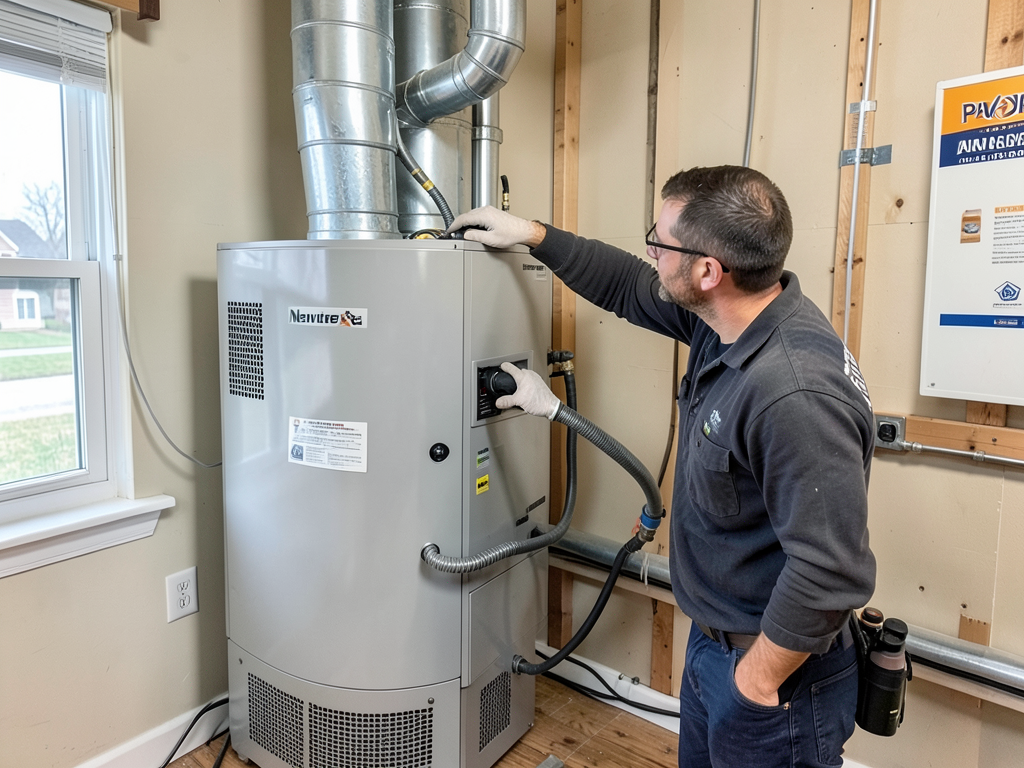
A furnace humidifier mounts directly to your supply or return plenum, the main sheet metal trunk that connects to your furnace. This positioning allows the humidifier to treat air before it enters your duct system, distributing moisture to every room in your home simultaneously.

The system connects to your home's water supply through a saddle valve or compression fitting on a nearby cold water line. A solenoid valve controls water flow based on signals from a humidistat, which measures indoor humidity levels just like a thermostat measures temperature. When humidity drops below your set point, the humidistat opens the water valve and activates the humidifier.

Bypass models use a small duct to route heated air from the supply plenum through a water panel, then back to the return side. The heat evaporates water from the panel, and the moisture returns to your duct system. These units require no electrical power beyond the 24-volt humidistat connection.

Fan-powered units include an internal blower that pushes air through the water panel, increasing evaporation rates without requiring a bypass duct. This design works better in homes with variable-speed furnaces or heat pumps, where airflow patterns differ from traditional forced-air systems.

Steam humidifiers use electrode or resistive heating elements to boil water, producing pure steam that injects directly into the ductwork. These units deliver the highest output and work independently of your furnace operation, making them ideal for homes with radiant heat or for commercial applications.

Apex HVAC Pittsburgh sizes humidifiers based on your home's total cubic footage, your furnace's airflow capacity, and Pittsburgh's average winter conditions. Undersized units cannot maintain target humidity. Oversized units waste water and create condensation problems.

What Happens During Your Whole House Humidifier Installation

Whole Home Humidifiers in Pittsburgh | Central Systems That Solve Winter Dryness and Static Shock
01

System Assessment and Sizing

We calculate your home's humidification load by measuring total conditioned square footage, ceiling heights, and insulation quality. We examine your existing furnace type, ductwork configuration, and available space near the plenum. We test your water supply pressure and measure the distance to the nearest cold water line. This data determines which humidifier type will perform correctly in your specific system.
02

Mounting and Connection

We cut an opening in your supply or return plenum that matches the humidifier template, mount the unit securely to the ductwork, and seal all joints with mastic. We run the water supply line from your cold water pipe to the humidifier, install the saddle valve or compression fitting, and connect the drain line to an appropriate termination point. We wire the humidistat to your furnace control board and mount it on a wall in your living space.
03

Calibration and Testing

We activate your humidifier and verify proper water flow through the distribution tray and water panel. We adjust the humidistat to your target humidity level and confirm the solenoid valve opens and closes correctly. We run your heating system through a complete cycle while monitoring humidity output at supply registers. We explain water panel replacement intervals and seasonal adjustment procedures before leaving your home.

Why Pittsburgh Homeowners Choose Apex HVAC for Central Humidifiers

Whole house humidifier installation requires precise integration with your existing HVAC system. An incorrectly sized unit wastes water and energy. Poor placement creates condensation in ductwork, leading to mold growth. Improper wiring causes furnace control board failures.

Apex HVAC Pittsburgh understands how Pittsburgh's unique housing stock affects humidifier performance. Homes in Squirrel Hill, Shadyside, and Highland Park often have older duct systems with higher leakage rates, requiring different sizing calculations than newer construction in the South Hills. Victorian homes downtown have high ceilings and multiple floors that need special consideration for even moisture distribution.

We work with Pittsburgh's hard water conditions. The region's water contains dissolved minerals that build up on water panels and reduce efficiency. We recommend appropriate maintenance intervals based on your specific water quality and install water treatment solutions when necessary.

Our technicians understand local building codes for drain line termination. Pittsburgh requires condensate drains to terminate in specific locations, and we ensure your installation meets all municipal requirements. We pull permits when required and coordinate inspections for larger installations.

We stock replacement water panels, humidistats, and solenoid valves for all major brands. When your humidifier needs service during heating season, you do not wait days for parts to arrive. We maintain inventory specifically for the equipment we install.

Commercial clients in Pittsburgh depend on us for larger steam humidification systems. Medical offices, museums, and woodworking shops require precise humidity control. We design and install commercial-grade systems that maintain tight tolerances while minimizing energy consumption.

Apex HVAC Pittsburgh services what we sell. Annual maintenance includes water panel replacement, solenoid valve inspection, and humidistat calibration. We adjust settings seasonally to account for Pittsburgh's variable spring and fall temperatures.

What You Can Expect From Your Whole House Humidifier

Installation Timeframe

Most residential whole house humidifier installations take between two and four hours. The timeframe depends on your furnace location, the distance to your water supply, and whether we need to install additional electrical components. Bypass humidifiers typically install faster because they require no electrical work beyond the low-voltage humidistat connection. Steam humidifiers take longer due to the 120-volt or 240-volt electrical requirements. We complete the work in a single visit, and your system operates the same day. You will notice humidity improvement within hours of activation.

Pre-Installation Evaluation

Before we recommend a specific humidifier model, we inspect your furnace, ductwork, and water supply. We measure static pressure in your duct system to ensure adequate airflow for humidification. We check your furnace's age and condition because older heat exchangers with cracks cannot safely handle increased humidity. We test your water pressure because low pressure reduces humidifier performance. We photograph your current setup and explain which humidifier type will work best in your specific configuration. You receive a detailed quote that includes equipment, labor, and any necessary accessories before we begin work.

Performance and Results

A properly sized and installed whole house humidifier maintains indoor relative humidity between 35 and 45 percent through Pittsburgh's coldest months. You will see elimination of static shock, reduced heating costs because humid air feels warmer, and fewer respiratory infections. Your hardwood floors stop shrinking and cracking. Your furniture joints stop separating. Your skin irritation decreases. The system operates automatically, adjusting output based on your furnace runtime and indoor humidity levels. You only interact with the humidistat to adjust your target humidity setting, similar to adjusting a thermostat. Water consumption varies by model but typically ranges from two to 12 gallons per day during peak heating season.

Maintenance Requirements

Bypass and fan-powered humidifiers require annual water panel replacement at the start of each heating season. The water panel is a disposable evaporator pad that costs between $15 and $30 depending on your model. You can replace it yourself or schedule it during your annual furnace maintenance. Steam humidifiers require periodic descaling to remove mineral buildup from the tank, typically once per year in Pittsburgh's water conditions. The humidistat may need recalibration every few years. We recommend professional service at the beginning of each heating season to verify proper operation, clean components, and adjust settings. Apex HVAC Pittsburgh offers maintenance plans that include humidifier service with your annual furnace tune-up.

Frequently Asked Questions

You Have Questions,
We Have Answers

What is the downside of a whole-house humidifier? +

The main downsides are maintenance and potential overhumidification. You must change the water panel or evaporator pad annually and clean the unit to prevent mold or mineral buildup. If the humidistat fails or is set too high, excess moisture can cause condensation on windows, peeling paint, or even structural damage. Pittsburgh homes with older insulation are more vulnerable to these issues. Improper installation can waste water or damage your furnace. You also face higher water bills, though the increase is minor. Regular maintenance and proper settings eliminate most problems, making whole-house humidifiers a net benefit during Pittsburgh's dry winter months.

What type of humidifier is best for a whole house? +

Bypass and fan-powered humidifiers are the two main types for Pittsburgh homes. Bypass models pull air from your return duct, add moisture, and send it back through the furnace. They are affordable and reliable but require your furnace to run. Fan-powered humidifiers use a built-in fan to push air through the water panel, delivering more moisture and working even when the furnace cycles off. They are ideal for larger homes or very dry conditions. Steam humidifiers are the most powerful but cost more upfront and to operate. Your choice depends on home size, existing ductwork, and humidity needs during Pittsburgh winters.

What's the average cost of a whole-house humidifier? +

Whole-house humidifier costs vary based on type and installation complexity. Bypass models are the most affordable, while fan-powered units cost more due to the internal fan and wiring. Steam humidifiers are the most expensive because they require dedicated electrical circuits and plumbing connections. Installation costs depend on your existing HVAC setup, ductwork accessibility, and whether you need a humidistat upgrade. Pittsburgh homes with older forced-air systems may require additional labor. Water line installation and electrical work add to the total. Expect the investment to pay off through improved comfort, lower heating bills, and reduced static electricity during dry winter months.

What humidifier do consumer reports recommend? +

Consumer Reports evaluates whole-house humidifiers based on moisture output, ease of maintenance, and reliability. They favor models with accessible water panels, accurate humidistats, and consistent performance. Bypass and fan-powered units from established HVAC manufacturers consistently score well. Steam humidifiers receive high marks for moisture delivery but rank lower on operating cost. Pittsburgh homeowners should prioritize units that handle hard water without frequent clogging, as local water minerals can shorten component life. Look for models with antimicrobial water panels and easy-access panels for annual servicing. Independent reviews focus on real-world performance, not marketing claims, making them valuable for informed decisions.

What are signs I need a humidifier? +

Watch for dry, itchy skin, chapped lips, and frequent nosebleeds during winter. Static electricity shocks when you touch doorknobs or light switches indicate low humidity. Your wood floors may develop gaps between planks, and wood furniture can crack or split. You might notice increased respiratory irritation, sore throats, or worsening asthma symptoms. Pittsburgh winters often drop indoor humidity below 30 percent, especially in tightly sealed homes with forced-air heating. Condensation on windows means humidity is too high, but if windows feel bone dry and your throat feels scratchy every morning, you need a humidifier to reach the ideal 35 to 45 percent range.

Where does the water go from a whole house dehumidifier? +

You are confusing dehumidifiers with humidifiers. Whole-house dehumidifiers remove moisture and drain it through a condensate line, typically connected to a floor drain, sump pump, or exterior drainage point. The water extracted from humid air flows continuously during operation. Pittsburgh basements and crawl spaces often need dehumidifiers during humid summer months to prevent mold and musty odors. The drain line must slope properly to avoid clogs or backups. Some systems include condensate pumps if gravity drainage is not possible. Regular maintenance includes cleaning the drain pan and checking the line for blockages. Proper installation prevents water damage and keeps your system running efficiently year-round.

Where's the best place to put a whole-house humidifier? +

Install your whole-house humidifier directly on the warm-air supply plenum or return air duct of your forced-air furnace. The supply side delivers moisture more efficiently because warm air holds more humidity than cool air. Bypass models require connections to both supply and return ducts to create airflow through the water panel. Fan-powered units mount on either side since they generate their own airflow. Pittsburgh homes with accessible ductwork in basements or utility rooms offer straightforward installation. The humidifier needs a nearby cold water line and drain connection. Avoid locations with poor airflow or extreme temperature swings. Professional installation ensures proper placement, ductwork modifications, and optimal performance.

What are the signs of too much humidity? +

Signs of excessive humidity include condensation on windows, damp spots on walls or ceilings, and a musty odor. You might notice peeling wallpaper, bubbling paint, or visible mold growth in corners or around window frames. Wood floors may cup or warp, and you feel a clammy, sticky sensation in the air. Pittsburgh homes with poor ventilation trap moisture more easily, especially during shoulder seasons when heating and cooling systems run less. Your humidistat should keep indoor levels between 35 and 45 percent. If condensation appears on single-pane windows, lower the setting. Prolonged overhumidification causes structural damage and creates health hazards from mold spores.

What is the healthiest type of humidifier for sinuses? +

Steam humidifiers are best for sinus health because they produce pure, bacteria-free moisture without dispersing minerals or contaminants into the air. The boiling process kills pathogens and removes impurities. Evaporative whole-house humidifiers are also effective, as they naturally filter out minerals through the water panel. Pittsburgh's hard water can leave white dust with ultrasonic portable units, irritating sinuses further. For whole-house systems, focus on models with antimicrobial water panels and proper maintenance schedules. Clean, consistent humidity between 40 and 45 percent keeps nasal passages moist without promoting mold growth. Avoid overhumidification, which can worsen sinus problems by encouraging allergens and bacteria.

Can a humidifier be added to an existing furnace? +

Yes, you can add a whole-house humidifier to any forced-air furnace, regardless of age or fuel type. The humidifier integrates with your existing ductwork, drawing air through a water panel and redistributing moisture throughout your home. Gas, oil, and electric furnaces all accommodate humidifiers with minor modifications. Pittsburgh homes with older furnaces may need ductwork adjustments or humidistat upgrades for optimal performance. The installation requires a cold water supply line, drain connection, and sometimes electrical wiring for fan-powered or steam models. A qualified HVAC technician will assess your system, recommend the best humidifier type, and ensure proper integration without voiding furnace warranties or compromising efficiency.

How Pittsburgh's Freeze-Thaw Cycles and Indoor Heating Create Critical Humidity Imbalances

Pittsburgh experiences an average of 120 days per year with temperatures below freezing, but the region rarely maintains consistent cold. Temperature swings from 20 degrees to 50 degrees within 48 hours force your furnace to cycle frequently, pulling moisture from indoor air each time it runs. This cycling pattern creates more severe dryness than you would find in consistently cold climates. The Ohio and Allegheny Rivers add outdoor humidity during summer but provide no relief during winter heating season. Homes built before 1980, which make up the majority of Pittsburgh's housing stock, often have minimal insulation and high infiltration rates that compound moisture loss. A central humidifier compensates for these factors automatically, maintaining healthy humidity regardless of outdoor temperature fluctuations.

Pittsburgh's HVAC contractors understand local installation challenges that affect humidifier performance. Many homes in older neighborhoods have undersized ductwork that was never upgraded when original coal furnaces were replaced. Homes in areas like Mount Washington and Polish Hill often have basement furnaces with limited clearance for equipment additions. Apex HVAC Pittsburgh knows how to adapt installations to these constraints while maintaining proper system operation. We work with local building inspectors regularly and understand Allegheny County's specific requirements for HVAC modifications. Choosing a contractor familiar with Pittsburgh's unique housing characteristics ensures your humidifier integrates correctly and performs reliably through decades of heating seasons.
HVAC Services in The Pittsburgh Area

We are proud to serve the community and its surrounding areas, providing superior heating and cooling services where they are needed most. Whether you’re a residential homeowner or a business owner, you can find our location on the map below. We are committed to being easily accessible and ready to respond quickly, ensuring that professional and reliable HVAC help is always just a call away.

Address:
Apex HVAC Pittsburgh, 450 Melwood Ave, Pittsburgh, PA, 15213

Additional Services We Offer

Our news updates

Latest Articles & News from The Blogs

Your Brighton Heights air conditioner should run in steady cooling cycles, not shut off and start again every few minutes.…

Why Your Brighton Heights AC Keeps Turning Off and On Every Five Minutes

Your Brighton Heights air conditioner should run in steady cooling cycles, not shut off and start again every few minutes.…

Does Your HVAC System Actually Help with Radon Mitigation in Marshall Township

Does Your HVAC System Actually Help with Radon Mitigation in Marshall Township Your HVAC system is designed to heat and…

Stylish Ways to Cover Ugly Radiators in Your Historic Friendship House

Stylish Ways to Cover Ugly Radiators in Your Historic Friendship House \n\n Living in Friendship means embracing the charm of…

Contact Us

Call Apex HVAC Pittsburgh at (412) 387-0477 for a whole house humidifier consultation. We will assess your home, recommend the right system, and install it before Pittsburgh's next cold snap. Your family deserves comfortable, healthy indoor air all winter long.