menu

Furnace Pilot Light Issues in Pittsburgh – Expert Diagnosis and Permanent Fixes for Gas Furnace Problems

Apex HVAC Pittsburgh Identifies the Root Cause of Furnace Pilot Light Problems, Gas Furnace Pilot Light Malfunctions, and Pilot Lights That Won't Stay Lit, Restoring Safe, Reliable Heat to Your Home

Slider Image 1
Slider Image 2
Slider Image 3
Slider Image 4
Slider Image 5
Slider Image 7
Slider Image 8
Slider Image 9
Slider Image 10
Slider Image 11

Why Furnace Pilot Lights Fail More Often in Pittsburgh Homes

You wake up to a cold house. The furnace is silent. You check the pilot light and it's out. Again. You relight it. It lasts a few hours, maybe a day, then dies. This cycle repeats until you're standing in front of your furnace every morning like it's a job.

Pittsburgh's freeze-thaw cycles create unique challenges for gas furnaces. When outdoor temperatures swing 30 degrees in 48 hours, thermal expansion and contraction stress furnace components. The thermocouple, which senses the pilot flame and keeps the gas valve open, can shift out of position or corrode faster in these conditions. Draft issues worsen in older Pittsburgh homes with masonry chimneys. Cold air backdrafts down the flue when winds hit the hilltops in neighborhoods like Mount Washington or Squirrel Hill, blowing out the pilot light repeatedly.

A pilot light that won't stay lit signals one of five failures. The thermocouple may be dirty, misaligned, or failing electrically. The gas valve itself could be malfunctioning. Draft problems from a damaged flue or negative air pressure in your home can extinguish the flame. A clogged pilot orifice restricts gas flow. Or you have a failing flame sensor on newer intermittent pilot systems.

Relighting the pilot over and over is not a solution. You're venting unburned gas into your home. You're risking thermal damage to the heat exchanger from repeated cold starts. And you're freezing while pretending this is normal.

Gas furnace pilot light malfunctions require diagnostic testing, not guesswork. You need someone who measures thermocouple voltage, checks gas pressure, and inspects the venting system.

Why Furnace Pilot Lights Fail More Often in Pittsburgh Homes
How We Diagnose and Repair Pilot Light Problems Correctly

How We Diagnose and Repair Pilot Light Problems Correctly

We don't sell you a thermocouple and leave. We test the entire pilot assembly and gas delivery system because a pilot light that keeps going out is a symptom, not a diagnosis.

First, we measure thermocouple millivolt output with a multimeter. A functional thermocouple generates 25 to 30 millivolts when heated. Below 20 millivolts, the gas valve won't hold open reliably. We also check thermocouple positioning. The sensor tip must sit directly in the pilot flame's blue cone. A quarter-inch off and it won't generate enough voltage.

Next, we test gas pressure at the manifold. Natural gas should read 3.5 inches of water column. Low pressure indicates a regulator problem or a gas company issue. High pressure accelerates component wear. We inspect the pilot orifice for carbon buildup or corrosion, which restricts gas flow and creates a weak, unstable flame.

We evaluate the venting system for backdraft issues. We check for negative air pressure caused by exhaust fans, leaky return ducts, or competing appliances. In Pittsburgh's older brick homes, we often find deteriorated chimney liners or shared flues that allow wind-driven downdrafts.

On furnaces with electronic ignition, we test the flame sensor rod. These systems don't use a standing pilot. They ignite on demand. A corroded flame sensor will shut down the burners within seconds, mimicking a pilot light problem even though there is no pilot.

We replace failed components with OEM parts matched to your furnace make and model. Generic thermocouples have different heat ranges and fail prematurely. We don't cut corners.

What Happens During a Pilot Light Repair Visit

Furnace Pilot Light Issues in Pittsburgh – Expert Diagnosis and Permanent Fixes for Gas Furnace Problems
01

Initial System Assessment

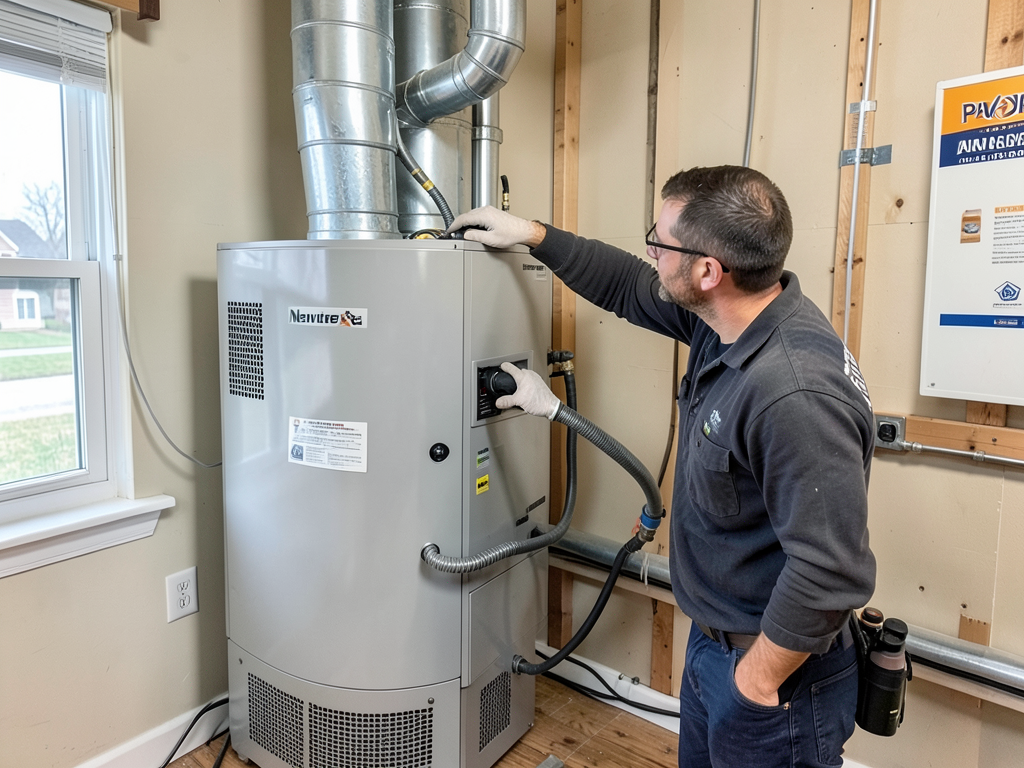
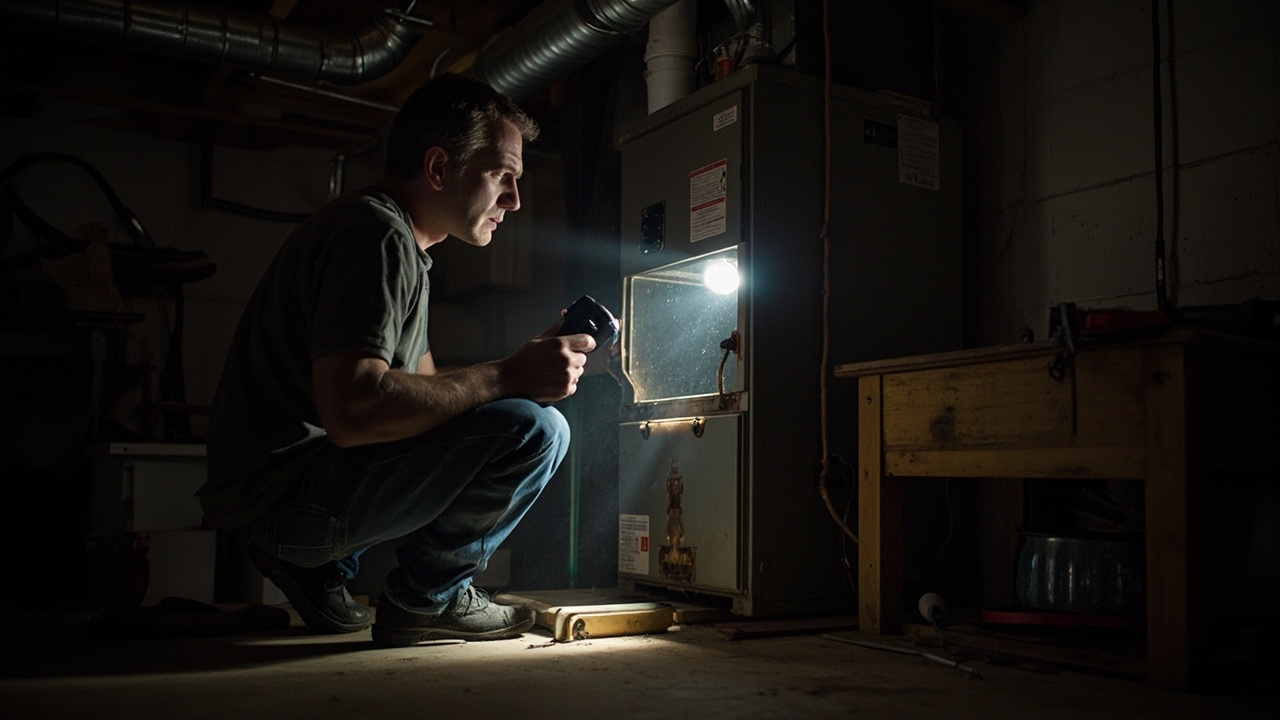
We arrive with diagnostic tools, not assumptions. You describe the failure pattern. We observe the pilot assembly while the furnace is off and again during ignition. We measure thermocouple voltage, inspect the flame color and shape, and check gas pressure at the manifold. This takes 15 minutes and identifies whether the problem is electrical, mechanical, or environmental.
02

Component Testing and Repair

We test or replace the thermocouple, clean the pilot orifice, and adjust the pilot flame. If the gas valve is failing, we replace it. If draft issues exist, we inspect the flue and check for negative pressure. We fix the root cause, not just the symptom. You get a written report of what failed, what we replaced, and what we tested.
03

System Verification and Monitoring

We cycle the furnace multiple times to confirm the pilot stays lit and the burners ignite cleanly. We monitor thermocouple voltage under load. We check for proper venting and ensure no gas odor is present. You see the furnace run through a complete heat cycle before we leave. We don't call it fixed until it works reliably.

Why Pittsburgh Homeowners Trust Apex HVAC for Gas Furnace Repairs

Pittsburgh's housing stock is old. Homes in Lawrenceville, Bloomfield, and Polish Hill were built between 1900 and 1950. These homes have gravity furnaces converted to forced air, chimneys shared between furnaces and water heaters, and venting systems that weren't designed for modern gas appliances. A technician who learned HVAC in a subdivision outside Dallas doesn't understand these systems.

We work on furnaces installed in basements with 6-foot ceilings, fieldstone foundations, and cast iron radiator conversions. We know how to diagnose draft problems caused by Pittsburgh's hilltop wind patterns. We understand how to retrofit modern thermocouples into furnaces that are 40 years old but still run because the heat exchanger is solid.

We stock parts for older Lennox, Carrier, and Bryant furnaces that parts houses don't carry anymore. We have cross-reference charts for discontinued thermocouples and gas valves. When a furnace is worth fixing, we fix it correctly. When it's not, we tell you why and show you the failed component.

We respond the same day you call. We don't leave you without heat while we wait for a part to arrive. We carry common failure items on the truck. If we need to order a component, we explain the timeline and offer temporary solutions if the furnace is unsafe to run.

You get a technician who has worked on furnaces in Pittsburgh for years, not someone reading a troubleshooting chart for the first time. We explain what failed, why it failed, and what you can do to prevent it.

What You Can Expect From Our Pilot Light Repair Service

Same-Day Response

We dispatch a technician the day you call. If you call before noon, we're usually there that afternoon. If you call after hours, we respond within two hours for no-heat emergencies. We don't make you wait three days to find out why your pilot light won't stay lit. You get a confirmed arrival window, not an all-day appointment. We value your time.

Comprehensive Diagnostic Testing

We test every component in the pilot assembly and gas delivery system. You receive a written diagnostic report that lists what we tested, what we found, and what we recommend. We don't guess. We don't sell you parts you don't need. If the thermocouple tests good, we move to the next component. You pay for solutions, not trial and error.

Quality Parts and Workmanship

We install OEM parts or equivalent-quality aftermarket components with the same specifications as the original. We don't use bargain-bin thermocouples that fail in six months. We don't force universal parts into systems that require specific components. The repair is done right the first time. You don't call us back in two weeks with the same problem.

Service Documentation and Follow-Up

You receive a detailed invoice that lists the parts replaced, the tests performed, and the labor involved. We include maintenance recommendations based on what we found. If your furnace needs additional service, we explain what, why, and when. We follow up within a week to confirm the repair is holding. If you have questions, you call the same number and reach someone who knows your system.

Frequently Asked Questions

You Have Questions,
We Have Answers

What are the common causes of pilot light issues? +

Pilot light problems stem from several common issues. A dirty or clogged pilot orifice restricts gas flow, preventing ignition. Thermocouples fail over time and stop sensing flame, shutting off gas as a safety measure. Draft issues from Pittsburgh's cold winter winds can blow out the flame through cracked heat exchangers or improper venting. Debris buildup from dust and household particles clogs the pilot assembly. Low gas pressure from supply line problems affects ignition. Faulty gas valves fail to deliver fuel properly. Pittsburgh's humidity and temperature swings accelerate corrosion on pilot components. Regular maintenance prevents most of these issues before they leave you without heat.

Why is my furnace pilot light not igniting? +

When your pilot light refuses to ignite, check the gas supply first. Ensure the gas valve is fully open and gas reaches the furnace. A clogged pilot orifice blocks fuel flow and needs cleaning. Pittsburgh's hard water and mineral deposits often cause buildup in older systems. The thermocouple may be misaligned or dirty, failing to detect flame properly. Check for drafts from basement windows or foundation cracks that extinguish the flame immediately after lighting. Electronic ignition systems may have failed igniters or control board issues. If you smell gas, leave immediately and call professionals. Never attempt repeated lighting without identifying the root cause first.

What are the symptoms of a bad igniter on a furnace? +

A failing igniter shows distinct warning signs. You hear the furnace click on but no flame appears, leaving you without heat. The igniter glows weakly or not at all during startup cycles. You notice intermittent heating where the furnace works sometimes but fails other times. Visible cracks in the igniter element indicate imminent failure. The igniter takes longer than normal to glow bright orange before lighting gas. Pittsburgh's freeze-thaw cycles stress older ceramic igniters, causing premature cracking. Your furnace cycles on and off repeatedly without producing heat. If you see any of these symptoms, replace the igniter promptly to avoid cold nights.

Why do I have to keep relighting my pilot light? +

Repeated pilot light outages point to specific problems. A weak or failing thermocouple cannot maintain the safety circuit, shutting off gas flow prematurely. Drafts from Pittsburgh's strong winter winds blow out the flame through ductwork gaps or cracked heat exchangers. Dirty pilot assemblies create weak, unstable flames that extinguish easily. Low gas pressure from supply issues prevents proper flame strength. The gas valve may have internal problems affecting flow consistency. Electromagnetic interference from nearby appliances can disrupt electronic ignition systems. Improper venting allows backdrafts that snuff out the pilot. Address the underlying cause rather than constantly relighting. Persistent problems require professional diagnosis and repair.

How do you clean a clogged pilot tube? +

Cleaning a clogged pilot tube requires careful steps. First, shut off the gas supply and let the furnace cool completely. Remove the pilot assembly cover to access the tube. Use compressed air to blow debris from the tube opening. A thin wire or needle clears stubborn blockages, but avoid enlarging the orifice. Pittsburgh's hard water leaves mineral deposits that need gentle scraping. Clean the surrounding pilot assembly and burner ports simultaneously. Wipe components with a dry cloth to remove dust accumulation. Reassemble carefully, ensuring proper alignment. Restore gas supply and test ignition. If the pilot remains weak or unstable after cleaning, call a technician for replacement parts.

What are the signs of a bad thermocouple? +

A faulty thermocouple displays clear symptoms. The pilot lights but extinguishes when you release the reset button. You must hold the button longer than 30 seconds before the pilot stays lit. The pilot flame appears yellow or weak instead of strong blue. Your furnace works sporadically, shutting down randomly despite a lit pilot. Pittsburgh's temperature extremes accelerate thermocouple wear in basement installations. Visible corrosion or white powder on the thermocouple tip indicates failure. The sensor sits too far from the flame to generate adequate voltage. Testing with a multimeter shows readings below 20 millivolts. Thermocouples cost little to replace and prevent frustrating heating interruptions.

What to do if the pilot light won't relight? +

When the pilot refuses to relight, troubleshoot systematically. Verify gas supply by checking the main valve and meter. Wait five minutes after failed attempts to clear accumulated gas. Clean the pilot orifice and thermocouple of debris and corrosion. Check that the thermocouple sits properly in the flame path. Inspect for drafts from basement windows common in Pittsburgh homes. Replace the thermocouple if cleaning does not work. Test the gas valve by listening for the click when pressing the reset button. If you smell gas or suspect equipment damage, stop immediately and call professionals. Forcing a malfunctioning system creates dangerous carbon monoxide risks and potential gas leaks.

Can hear your furnace click on but it does not fire up? +

Hearing clicks without ignition indicates specific failures. The gas valve activates but the igniter fails to light the gas. A cracked or weak igniter cannot reach proper temperature for ignition. The flame sensor is dirty or corroded, preventing the control board from allowing gas flow. Low gas pressure from supply problems stops proper combustion. The control board sends signals but internal components have failed. Pittsburgh's humid basement environments corrode electrical connections over time. Blocked burners prevent gas distribution even when the igniter glows. The draft inducer motor runs but venting blockages prevent proper airflow. These issues require professional diagnosis with proper testing equipment for safe resolution.

How to bleed a gas line for a furnace? +

Bleeding a gas line removes trapped air after service or repairs. Locate the gas valve near the furnace and turn it to the off position. Open the bleed screw slightly, usually found on the gas valve body. Press and hold the furnace reset button to allow gas flow. You will hear hissing as air escapes, followed by the distinctive smell of natural gas. When you detect gas odor consistently, tighten the bleed screw immediately. Wait three minutes before attempting ignition to clear excess gas. Pittsburgh's older homes may have longer gas lines requiring multiple bleed cycles. This task requires experience. Call professionals if you feel uncomfortable handling gas systems.

What is the life expectancy of a furnace igniter? +

Furnace igniters typically last 4 to 7 years under normal operation. Heavy use during Pittsburgh's cold winters shortens lifespan to the lower end. Hot surface igniters fail faster than older standing pilot systems. Frequent on-off cycling from oversized furnaces accelerates wear. Voltage fluctuations from electrical issues cause premature cracking. Ceramic igniters develop stress fractures from repeated heating and cooling. Silicon carbide models last longer but cost more initially. Manufacturing quality affects durability significantly. Proper maintenance extends igniter life by reducing strain on components. When your igniter reaches 5 years old, keep a spare on hand for quick replacement during heating season emergencies.

How Pittsburgh's Cold Snap Cycles Accelerate Pilot Light Component Failure

Pittsburgh sees temperature swings that stress furnace components harder than steady cold. A week in the teens followed by three days in the 40s causes rapid thermal cycling. Thermocouples expand and contract. Pilot brackets shift. Gas valves experience pressure fluctuations. Homes in Shadyside and Highland Park with exposed basement walls compound this. Cold basement air cools the furnace faster between cycles, forcing the pilot to reheat components from a lower starting temperature. This accelerates metal fatigue and shortens component life. A thermocouple that lasts ten years in a climate with steady winter temperatures may fail in six in Pittsburgh.

Pittsburgh's local HVAC companies understand these failure patterns because we see them every winter. We know which furnace models installed in the early 2000s have thermocouple bracket designs that loosen over time. We know which gas valve manufacturers used coils that corrode faster in high-humidity basements common to homes near the rivers. This local experience means faster diagnosis and fewer return trips. You're not a test case for a technician learning on your dime.
HVAC Services in The Pittsburgh Area

We are proud to serve the community and its surrounding areas, providing superior heating and cooling services where they are needed most. Whether you’re a residential homeowner or a business owner, you can find our location on the map below. We are committed to being easily accessible and ready to respond quickly, ensuring that professional and reliable HVAC help is always just a call away.

Address:
Apex HVAC Pittsburgh, 450 Melwood Ave, Pittsburgh, PA, 15213

Additional Services We Offer

Our news updates

Latest Articles & News from The Blogs

Your Brighton Heights air conditioner should run in steady cooling cycles, not shut off and start again every few minutes.…

Why Your Brighton Heights AC Keeps Turning Off and On Every Five Minutes

Your Brighton Heights air conditioner should run in steady cooling cycles, not shut off and start again every few minutes.…

Does Your HVAC System Actually Help with Radon Mitigation in Marshall Township

Does Your HVAC System Actually Help with Radon Mitigation in Marshall Township Your HVAC system is designed to heat and…

Stylish Ways to Cover Ugly Radiators in Your Historic Friendship House

Stylish Ways to Cover Ugly Radiators in Your Historic Friendship House \n\n Living in Friendship means embracing the charm of…

Contact Us

Don't relight your pilot every morning. Call Apex HVAC Pittsburgh at (412) 387-0477. We'll diagnose the problem, fix it correctly, and restore reliable heat to your home today.