
Expert Zoned HVAC System Installation in Penn Hills, PA
Living in a large home in Penn Hills often means battling uneven temperatures throughout the year. You might have a perfectly cool downstairs while the upstairs feels like a sauna during summer months, or vice versa in winter. This common problem affects many split-level and multi-story homes in our area due to Pittsburgh’s extreme seasonal temperature swings and the unique architecture found throughout Penn Hills.. Read more about Fix Common Airflow Problems in Your Bellevue Victorian Without Adding More Vents.
A zoned HVAC system could be the solution you need. By dividing your home into separate temperature zones with individual thermostats and motorized dampers, you can finally achieve consistent comfort throughout your entire house while potentially reducing your energy bills by 20-30%. EPA Indoor Air Quality guidelines.
Why Your Penn Hills Home Needs a Zoned HVAC System
Penn Hills features a distinctive mix of housing styles that make zoning particularly beneficial. The neighborhood’s split-level ranches built in the 1960s and 70s often suffer from the classic “hot upstairs, cold downstairs” problem. Heat naturally rises, and without proper zoning, your upstairs bedrooms can be 8-10 degrees warmer than your main floor during summer.
Older two-story colonials and brick homes in areas like Crescent Hills and Blackridge face different challenges. These homes typically have a single thermostat location that cannot accurately represent temperatures throughout the entire house. The result is constant thermostat battles and wasted energy heating or cooling unoccupied spaces.
Pittsburgh’s climate intensifies these issues. Our humid continental climate means summers with high humidity levels that make upstairs bedrooms feel even hotter, while winters bring sub-freezing temperatures that can create cold spots in distant rooms. The seasonal temperature swings from 95°F in July to below 20°F in January put tremendous stress on single-zone systems. Winterizing Your HVAC System.
How HVAC Zoning Works: Dampers, Thermostats, and Control Boards
Understanding the components of a zoned system helps explain why it’s so effective for large homes. At the heart of every zoned system are motorized dampers installed inside your existing ductwork. These dampers open and close automatically based on signals from individual zone thermostats. Understanding Ductless Systems.
Each zone gets its own thermostat, typically allowing you2-4 zones depending on your home’s size and layout. The control board acts as the system’s brain, coordinating which zones need heating or cooling and directing airflow accordingly. When only one zone calls for conditioned air, the dampers to other zones close, preventing energy waste.. Read more about Connecting Your HVAC System to Your Smart Home in the Strip District.
Modern zoned systems integrate seamlessly with smart home technology. You can control each zone from your smartphone, set different temperatures for different times of day, and even monitor energy usage. Some systems include variable-speed blowers that adjust airflow automatically based on how many zones are active, further improving efficiency.
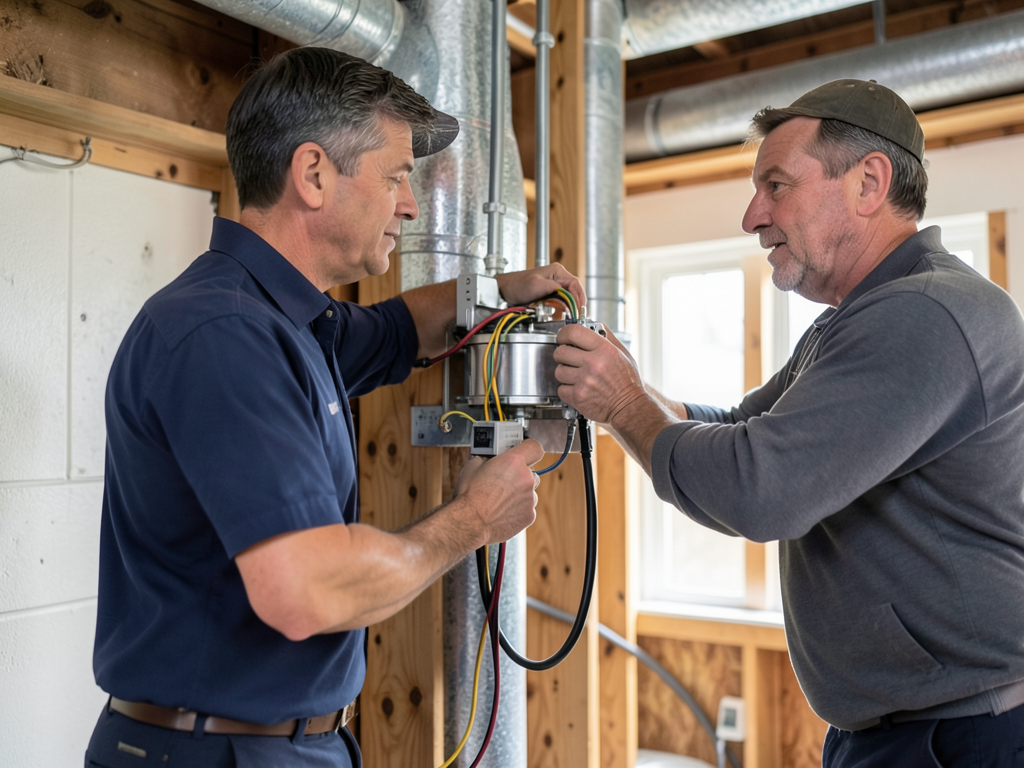
Diagram showing how motorized dampers redirect airflow in a zoned duct system, with arrows indicating open and closed positions.
The Benefits: Energy Savings and Personalized Comfort
The energy savings from zoning can be substantial. According to the U.S. Department of Energy, zoning can reduce heating and cooling costs by 20-30% in homes with uneven temperature distribution. For a typical Penn Hills home spending $2,000 annually on HVAC, that’s $400-600 in annual savings. U.S. Department of Energy on zoned HVAC systems.
Beyond energy savings, zoning extends the life of your HVAC equipment. When your system doesn’t have to work overtime to cool or heat your entire house to one temperature, components experience less wear and tear. This can add 3-5 years to your system’s lifespan, delaying the need for expensive replacements.
Personalized comfort is perhaps the most appreciated benefit. Family members can set their preferred temperatures in different zones without affecting others. Keep the master bedroom cool for sleeping while maintaining a warmer temperature in the living areas. Create a comfortable home office environment separate from the rest of the house.. Read more about How to Keep Your Pine Township Sunroom Comfortable in Both July and January.
Health benefits also emerge from better temperature control. Consistent temperatures reduce humidity fluctuations that can promote mold growth, particularly important in Penn Hills’ older homes where basement moisture can be an issue. Proper zoning also helps maintain better indoor air quality by preventing stagnant air in rarely-used rooms.
Our Local Installation Process
Installing a zoned system in your Penn Hills home follows a methodical process that begins with a comprehensive evaluation. Our certified technicians start with a Manual J load calculation to determine your home’s heating and cooling requirements room by room. This analysis reveals exactly where temperature imbalances exist and how many zones your home needs.
Next comes ductwork inspection. Many older homes in Penn Hills have ductwork that wasn’t designed for zoning. We check for proper sizing, existing damage, and accessibility for damper installation. Sometimes we discover issues like disconnected ducts or inadequate return air that need addressing before zoning can be effective.
The installation itself typically takes 1-2 days depending on your home’s complexity. We install motorized dampers at key branch points in your ductwork, mount new thermostats in each zone, and connect everything to a central control board. For homes without existing ductwork, we might recommend ductless mini-split zoning as an alternative.
Smart thermostat integration is the final step. We program your system for optimal performance, set up zone schedules, and teach you how to use the smartphone app. Most Penn Hills homeowners are surprised by how intuitive the controls are once they see them in action. The Homeowners Guide to Replacing an Aging Boiler in Bloomfield.
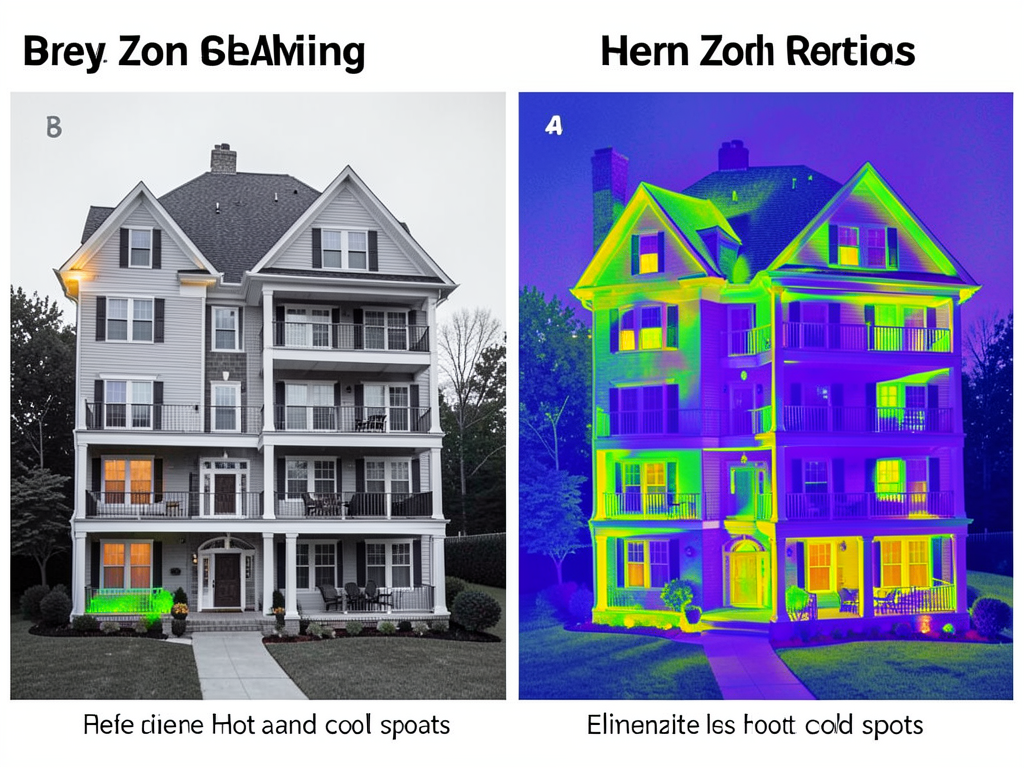
Photo of technicians installing motorized dampers in a Penn Hills home’s ductwork, showing the damper mechanism and control wiring.
Frequently Asked Questions for Penn Hills Residents
How much does it cost to install a zoned HVAC system in Penn Hills?
Most Penn Hills homeowners can expect to invest between $3,500 and $7,500 for a complete zoned system installation. The final cost depends on your home’s size, the number of zones needed, and whether any ductwork modifications are required. Homes in the 15235 zip code area typically fall in the middle of this range.
Can I zone my existing HVAC system or do I need a new one?
In most cases, you can add zoning to your existing system. However, if your current equipment is over 10-15 years old or undersized for your home, upgrading might make more sense. We’ll evaluate your current system during our initial consultation and provide honest recommendations based on what will work best for your specific situation.
How long does installation take and will I be without heat or AC?
Standard installations take 1-2 days. You’ll experience minimal downtime since we work on one zone at a time and can usually keep some areas of your home comfortable throughout the process. We always ensure you have heating capability before leaving at the end of each day, especially important during Penn Hills’ cold winters.
Will zoning work with my smart home system?
Yes, most modern zoned systems integrate with popular smart home platforms like Google Home, Amazon Alexa, and Apple HomeKit. You can control your zones through voice commands, smartphone apps, or automated schedules that adjust based on your daily routine.
Do zoned systems qualify for any energy rebates in Pennsylvania?
Many zoned systems with high-efficiency equipment qualify for utility rebates through Duquesne Light, FirstEnergy, or Pennsylvania’s Energy Efficiency Program. We help you identify available rebates and handle the paperwork to maximize your savings.
Before and after thermal imaging showing temperature distribution in a Penn Hills home before and after zoning installation.
Making the Right Choice for Your Penn Hills Home
The decision to install a zoned HVAC system ultimately depends on your home’s specific characteristics and your comfort priorities. Homes with multiple stories, finished basements, or additions that weren’t part of the original HVAC design are ideal candidates. If you’re constantly adjusting thermostats or have rooms that never seem comfortable, zoning could solve these problems.
Consider your long-term plans as well. If you plan to stay in your Penn Hills home for several more years, the energy savings and improved comfort can provide significant returns on your investment. For homes being prepared for sale, a zoned system can be a strong selling point that sets your property apart from others on the market.
Don’t forget to factor in Penn Hills’ specific climate challenges. Our humid summers and cold winters mean your HVAC system works harder than in many other regions. Zoning helps your system handle these extremes more efficiently while maintaining consistent comfort throughout your home.. Read more about Comparing AFUE Ratings to Find the Most Efficient Furnace for Your Fox Chapel Estate.
The best way to determine if zoning is right for you is to schedule a professional evaluation. We’ll assess your home’s layout, current system performance, and your comfort needs to provide a customized recommendation. Every home in Penn Hills is different, and your solution should be too.
Ready to take control of your home’s comfort and energy costs? Call (412) 387-0477 today to schedule your free zoning consultation. Our Penn Hills HVAC experts will evaluate your home and show you exactly how a zoned system can solve your temperature problems. Don’t spend another season suffering through hot and cold spots – pick up the phone and call (412) 387-0477 before the next extreme weather hits.
You may also find this helpful. HVAC Considerations for Converting Old Sharpsburg Industrial Spaces into Modern Lofts.
You may also find this helpful. The Best Way to Heat and Cool an In Law Suite or ADU in McCandless.
{
“@context”: “https://schema.org”,
“@type”: “BlogPosting”,
“headline”: “Understanding the Pros and Cons of Zoned HVAC Systems for Large Penn Hills Houses”,
“description”: “Discover how zoned HVAC systems solve temperature imbalances in Penn Hills’ large homes. Learn energy savings, installation costs, and local climate benefits from Pittsburgh experts.”,
“wordCount”: 1510,
“datePublished”: “2026-04-12T15:53:00.000Z”,
“dateModified”: “2026-04-12T15:53:00.000Z”,
“inLanguage”: “en-US”,
“mainEntityOfPage”: {
“@type”: “WebPage”,
“@id”: “https://apexhvacpittsburgh.com”
},
“publisher”: {
“@type”: “LocalBusiness”,
“name”: “Apex HVAC Pittsburgh”,
“url”: “https://apexhvacpittsburgh.com”
},
“author”: {
“@type”: “Organization”,
“name”: “Apex HVAC Pittsburgh”,
“url”: “https://apexhvacpittsburgh.com”
},
“image”: {
“@type”: “ImageObject”,
“url”: “https://apexhvacpittsburgh.com/wp-content/uploads/2026/03/understanding-the-pros-and-cons-of-zoned-hvac-syst-1.png”
}
}
{
“@context”: “https://schema.org”,
“@type”: “HVACBusiness”,
“name”: “Apex HVAC Pittsburgh”,
“url”: “https://apexhvacpittsburgh.com”,
“address”: {
“@type”: “PostalAddress”,
“addressLocality”: “Pittsburgh”
},
“areaServed”: {
“@type”: “City”,
“name”: “Pittsburgh”
}
}
{
“@context”: “https://schema.org”,
“@type”: “FAQPage”,
“mainEntity”: [
{
“@type”: “Question”,
“name”: “How much does it cost to install a zoned HVAC system in Penn Hills?”,
“acceptedAnswer”: {
“@type”: “Answer”,
“text”: “Most Penn Hills homeowners can expect to invest between $3,500 and $7,500 for a complete zoned system installation. The final cost depends on your home’s size, the number of zones needed, and whether any ductwork modifications are required. Homes in the 15235 zip code area typically fall in the middle of this range.”
}
},
{
“@type”: “Question”,
“name”: “Can I zone my existing HVAC system or do I need a new one?”,
“acceptedAnswer”: {
“@type”: “Answer”,
“text”: “In most cases, you can add zoning to your existing system. However, if your current equipment is over 10-15 years old or undersized for your home, upgrading might make more sense. We’ll evaluate your current system during our initial consultation and provide honest recommendations based on what will work best for your specific situation.”
}
},
{
“@type”: “Question”,
“name”: “How long does installation take and will I be without heat or AC?”,
“acceptedAnswer”: {
“@type”: “Answer”,
“text”: “Standard installations take 1-2 days. You’ll experience minimal downtime since we work on one zone at a time and can usually keep some areas of your home comfortable throughout the process. We always ensure you have heating capability before leaving at the end of each day, especially important during Penn Hills’ cold winters.”
}
},
{
“@type”: “Question”,
“name”: “Will zoning work with my smart home system?”,
“acceptedAnswer”: {
“@type”: “Answer”,
“text”: “Yes, most modern zoned systems integrate with popular smart home platforms like Google Home, Amazon Alexa, and Apple HomeKit. You can control your zones through voice commands, smartphone apps, or automated schedules that adjust based on your daily routine.”
}
},
{
“@type”: “Question”,
“name”: “Do zoned systems qualify for any energy rebates in Pennsylvania?”,
“acceptedAnswer”: {
“@type”: “Answer”,
“text”: “Many zoned systems with high-efficiency equipment qualify for utility rebates through Duquesne Light, FirstEnergy, or Pennsylvania’s Energy Efficiency Program. We help you identify available rebates and handle the paperwork to maximize your savings.”
}
}
]
}
{
“@context”: “https://schema.org”,
“@type”: “BreadcrumbList”,
“itemListElement”: [
{
“@type”: “ListItem”,
“position”: 1,
“name”: “Home”,
“item”: “https://apexhvacpittsburgh.com”
},
{
“@type”: “ListItem”,
“position”: 2,
“name”: “Blog”,
“item”: “https://apexhvacpittsburgh.com/blog”
},
{
“@type”: “ListItem”,
“position”: 3,
“name”: “Understanding the Pros and Cons of Zoned HVAC Systems for Large Penn Hills Houses”
}
]
}
{
“@context”: “https://schema.org”,
“@type”: “Service”,
“serviceType”: “HVAC”,
“provider”: {
“@type”: “LocalBusiness”,
“name”: “Apex HVAC Pittsburgh”,
“url”: “https://apexhvacpittsburgh.com”
},
“areaServed”: {
“@type”: “City”,
“name”: “Pittsburgh”
},
“description”: “Discover how zoned HVAC systems solve temperature imbalances in Penn Hills’ large homes. Learn energy savings, installation costs, and local climate benefits from Pittsburgh experts.”
}